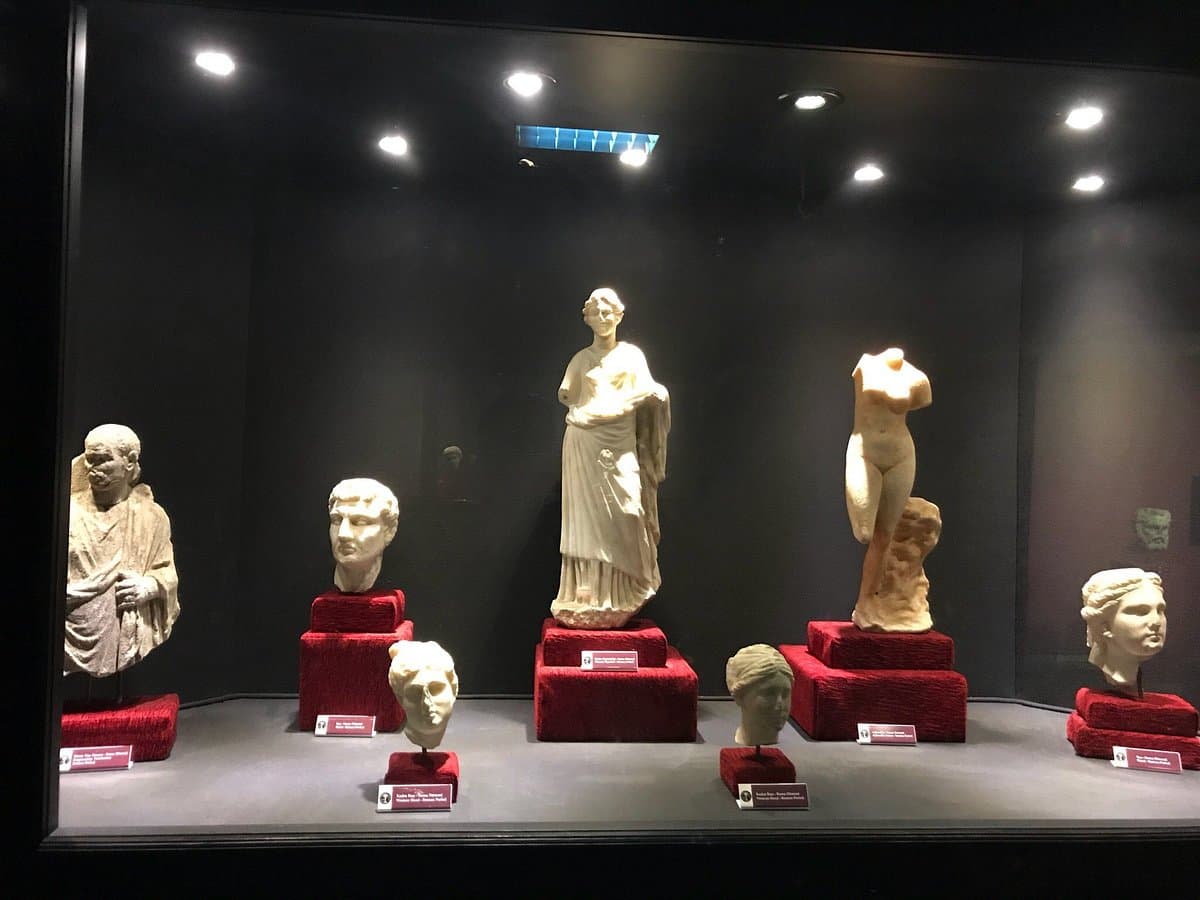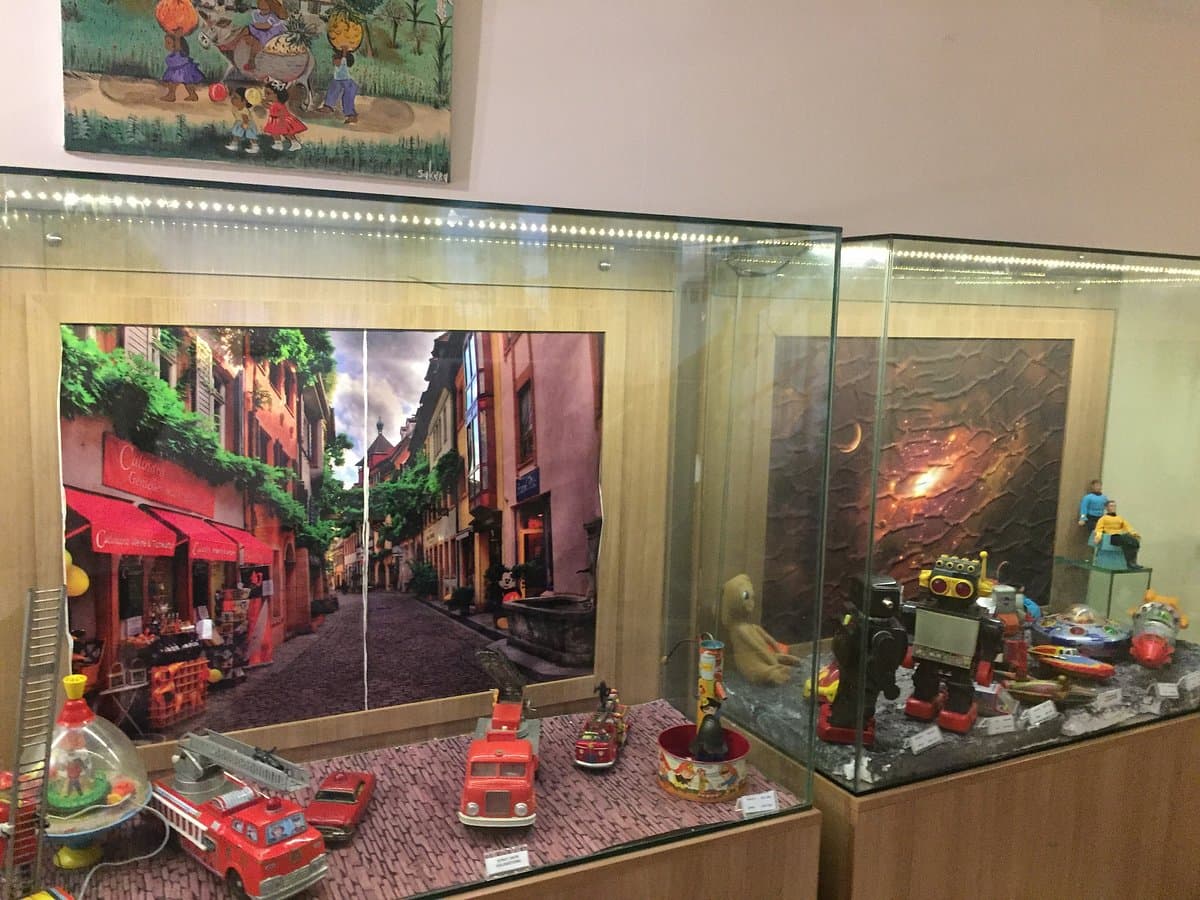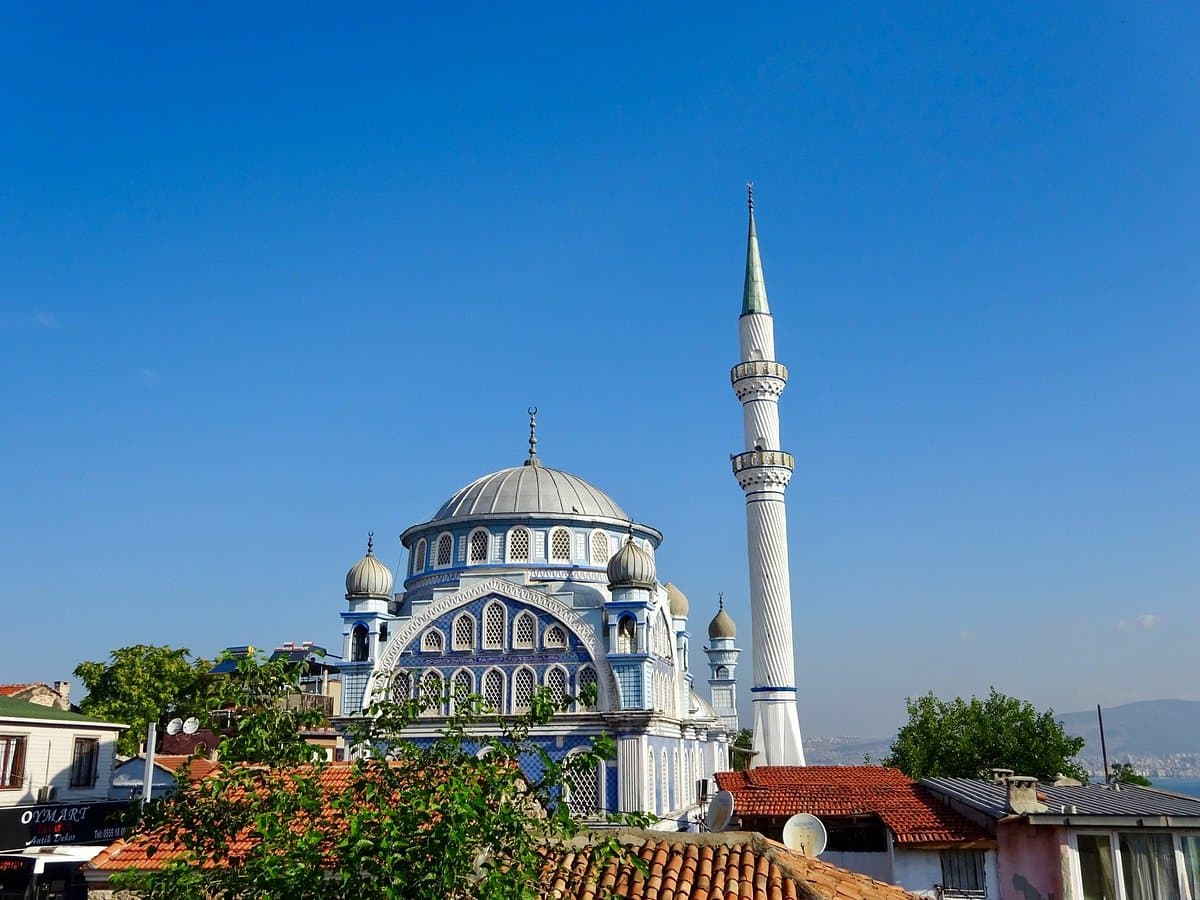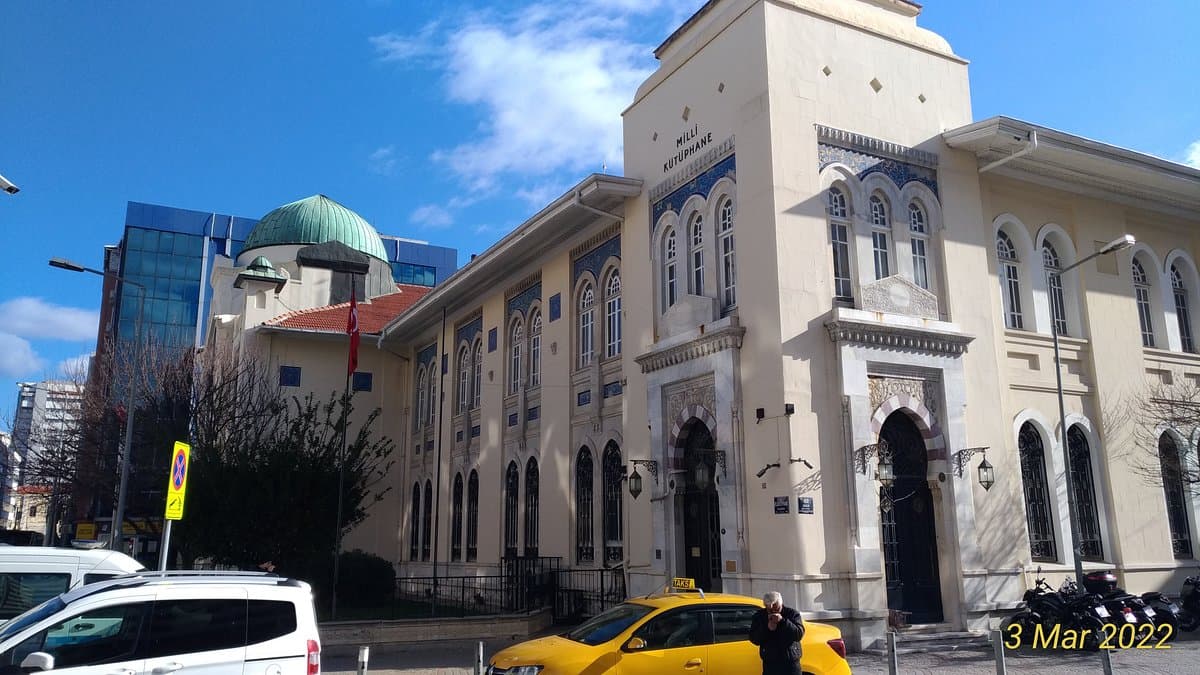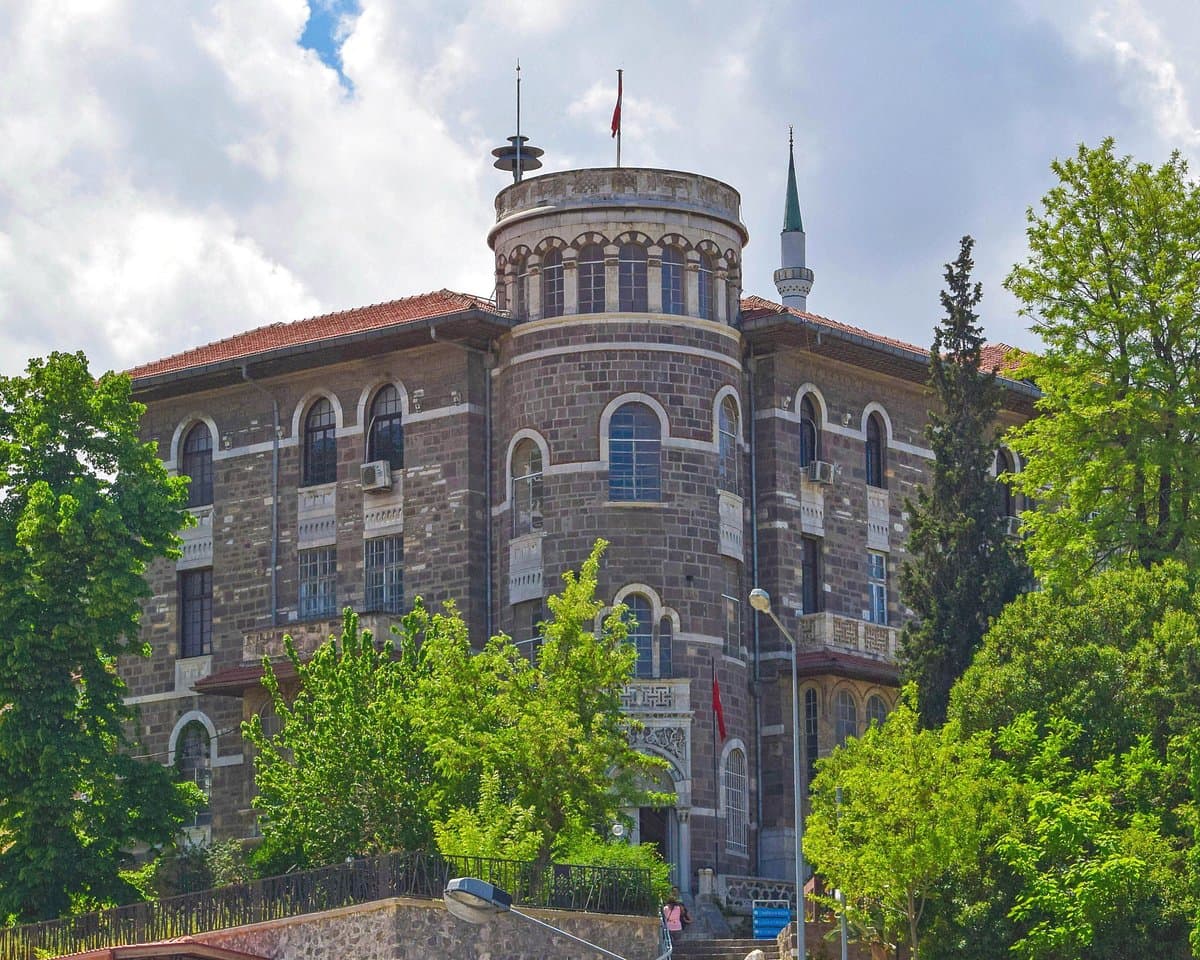
The Ethnography Museum in Izmir is housed in a striking historic building that once served as a hospital, offering visitors a window into the daily life, traditions, and crafts of the Aegean region. While its presentation style is considered by some to be a bit dated, it provides a comprehensive overview of local history through exhibits featuring furniture, clothing, weaving examples, and recreations of historical settings like Izmir's first pharmacy.
Visitors frequently praise the museum's beautiful architecture, noting that the building itself is often more impressive than the collection it houses. Many appreciate the informative dioramas, which, despite their old-fashioned style, effectively convey aspects of past life. However, some reviewers found the interior displays to be less engaging, with one floor sometimes inaccessible. The museum is generally quiet, offering a peaceful experience away from crowds.
To make the most of your visit, allocate about 1-2 hours. It's highly recommended to combine this visit with the Izmir Archaeology Museum, which is right next door. Many visitors report that admission to the Ethnography Museum is free or included with the Archaeology Museum ticket, making it a worthwhile stop if you're already in the area. Consider visiting the Ethnography Museum first, as it reportedly closes earlier, around 5 PM, while the Archaeology Museum closes at 7 PM. Be aware that the museum may have maintenance issues, such as leaks during rain, which some visitors have observed.
The museum is conveniently located in the Konak district, adjacent to the Izmir Archaeology Museum. It is easily accessible via public transport. The nearest metro station is Konak, which is a short walk away. Various bus lines also serve the Konak area. If driving, parking can be challenging in the city center, so public transport or taxis are often preferred.
A common complaint is the dated presentation and lack of interactive elements, which can make the experience feel less dynamic for some. To mitigate this, approach the museum with an appreciation for its historical context and focus on the architectural beauty of the building. If you prefer modern, interactive exhibits, manage your expectations accordingly. The lack of guides means you'll rely on the provided flyers or your own research for deeper understanding.