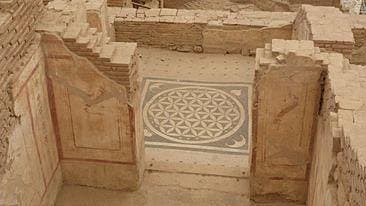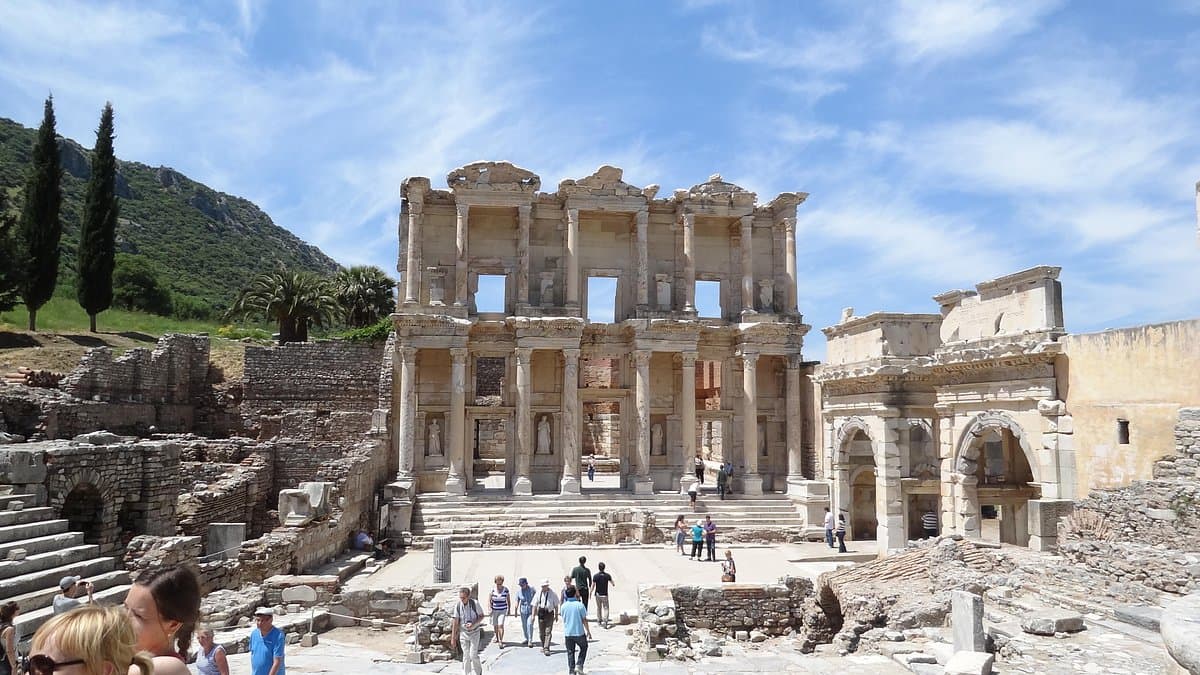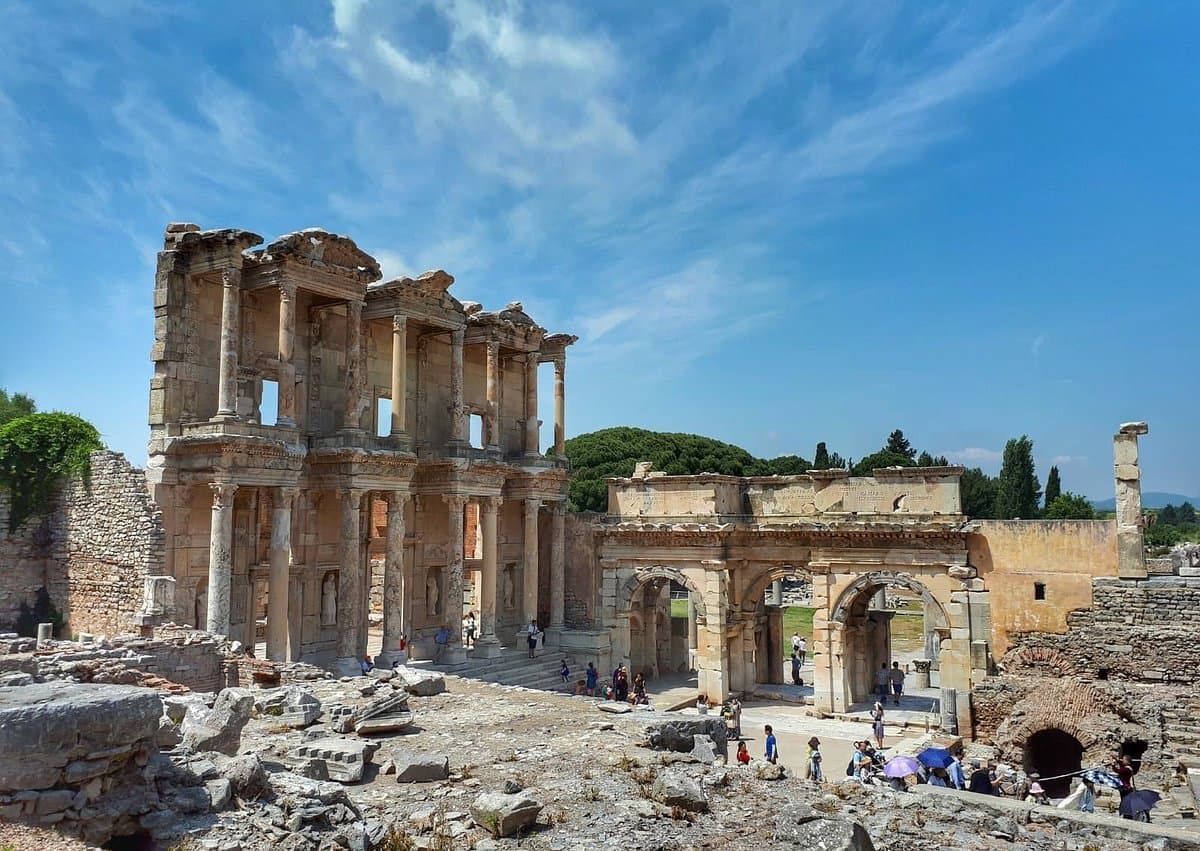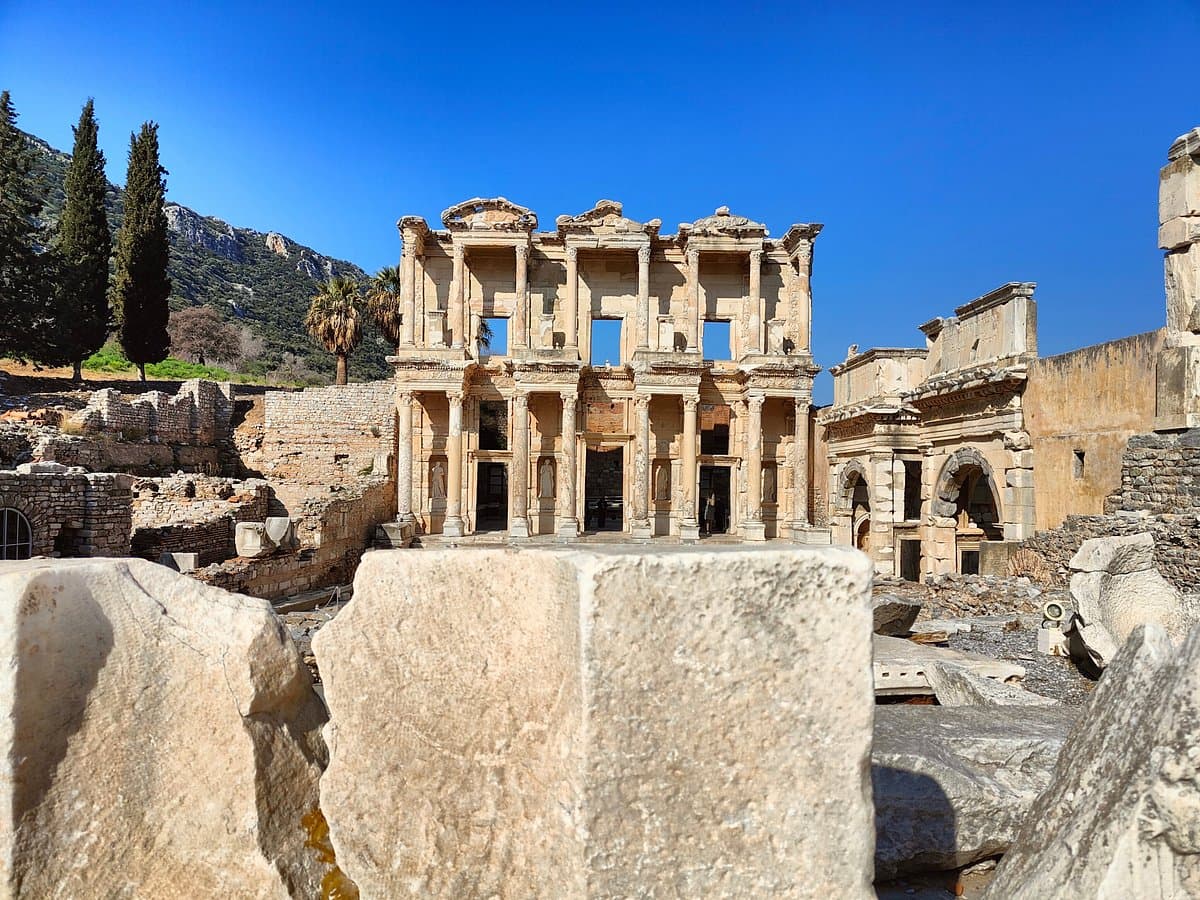
Ephesus Ancient City is an extraordinary archaeological site, once a thriving port city and a pivotal center of trade, culture, and religion in the ancient Greek and Roman worlds. Its remarkably preserved ruins, including the iconic Library of Celsus, the massive Great Theatre, and the intricate Terrace Houses, offer an unparalleled glimpse into daily life in antiquity. The site's historical significance is further amplified by its connections to early Christianity, with St. Paul having preached in its amphitheater.
Visitors frequently express awe at the scale and preservation of Ephesus, often highlighting the grandeur of the Library of Celsus and the immersive experience of walking its marble streets. Many commend the site's well-maintained condition and the ongoing restoration efforts. However, a recurring point of contention among international visitors is the high admission price, which is significantly higher for foreigners compared to Turkish citizens. Despite this, most reviewers conclude that the experience is ultimately worth the cost, especially for history enthusiasts.
To make the most of your visit, arrive early in the morning, ideally right at opening, to avoid the intense heat and large crowds, particularly those from cruise ships. The site offers very little shade, so bringing a hat, sunglasses, and plenty of water is essential. Comfortable, sturdy walking shoes with good grip are highly recommended, as the marble streets can be uneven and slippery. Many visitors suggest allocating 2-3 hours for a thorough exploration, though some recommend a full day to fully appreciate everything, including the optional Terrace Houses. Consider hiring a knowledgeable local guide or utilizing an audio guide to enrich your understanding of the complex history.
Ephesus is located near Selçuk. Many visitors arrive by taxi from nearby Kusadasi or Selçuk. For those driving, there are parking facilities, though they can fill up quickly during peak hours. The site has two main entrances: an upper gate and a lower gate. Most visitors recommend starting at the upper gate and walking downhill, as this route offers a more natural flow through the key attractions, culminating at the impressive Library of Celsus and the Great Theatre near the lower exit. Public transport options like minibuses (dolmuş) are available from Selçuk to the lower entrance.
The primary complaint revolves around the pricing disparity and the additional cost for the Terrace Houses. While the main site is extensive, the Terrace Houses offer a unique insight into Roman domestic life with well-preserved frescoes and mosaics, and many reviewers consider the extra fee worthwhile. To mitigate the impact of crowds and heat, plan your visit during the shoulder seasons (spring or autumn) or opt for a night tour if available, which reviewers describe as a stunning and less crowded experience with tastefully lit ruins.