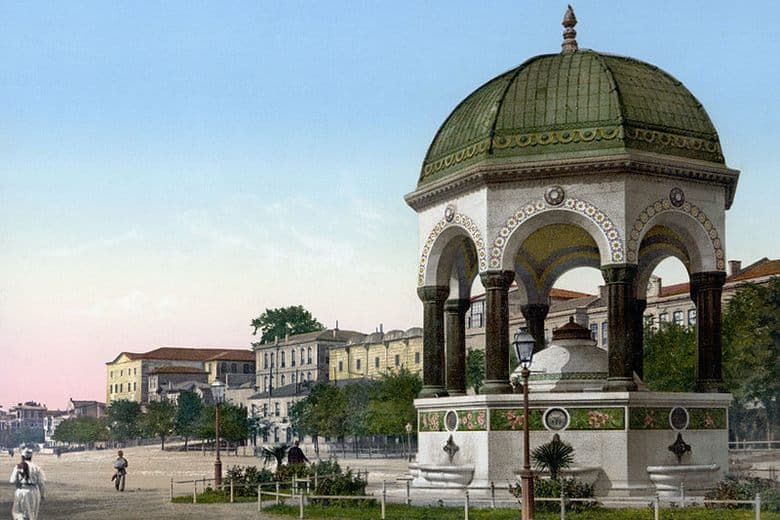
The Kaiser Wilhelm Fountain is a striking neo-Byzantine structure situated at the northern end of Sultanahmet Square, commemorating the second anniversary of German Kaiser Wilhelm II's visit to Istanbul in 1898. This ornate gazebo-like fountain, with its marble columns and a dome adorned with golden mosaic tiles, serves as a tangible reminder of the complex diplomatic ties between the Ottoman Empire and Germany, particularly leading up to World War I. It's an important, though often overlooked, piece of Istanbul's rich historical tapestry, symbolizing a pivotal alliance that shaped the region's future.
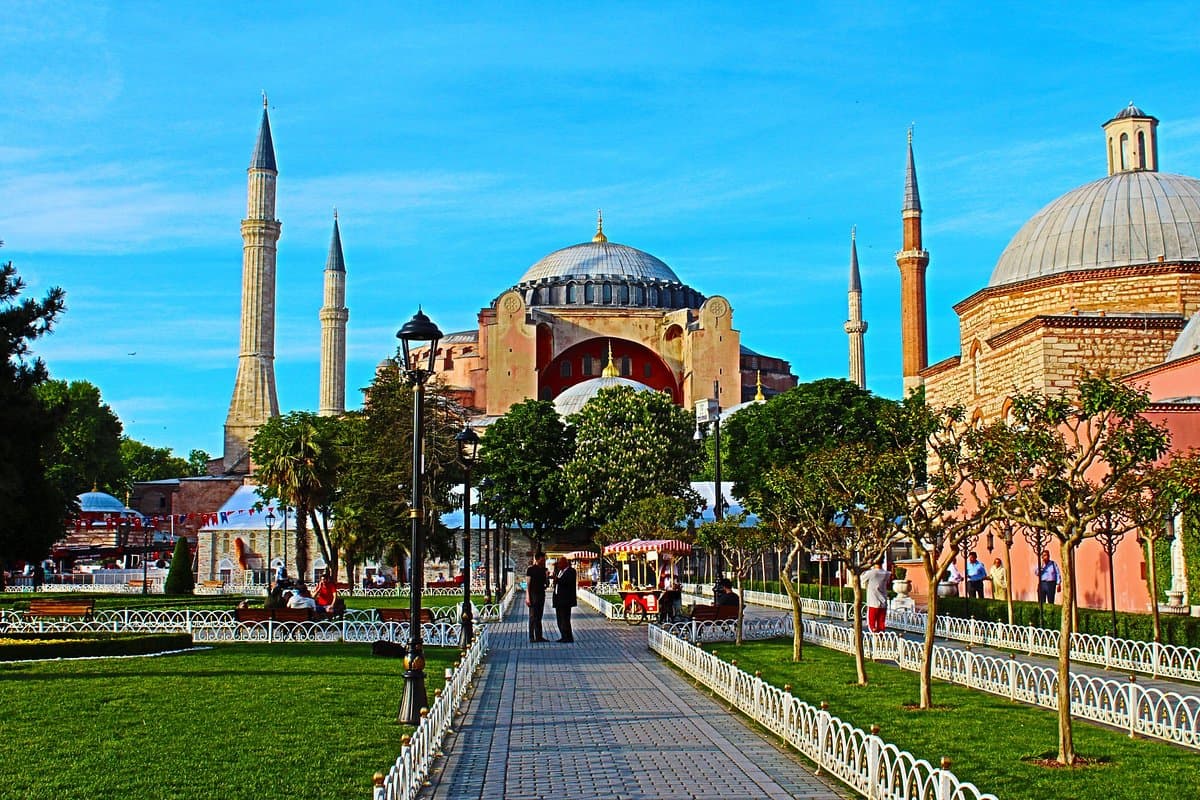
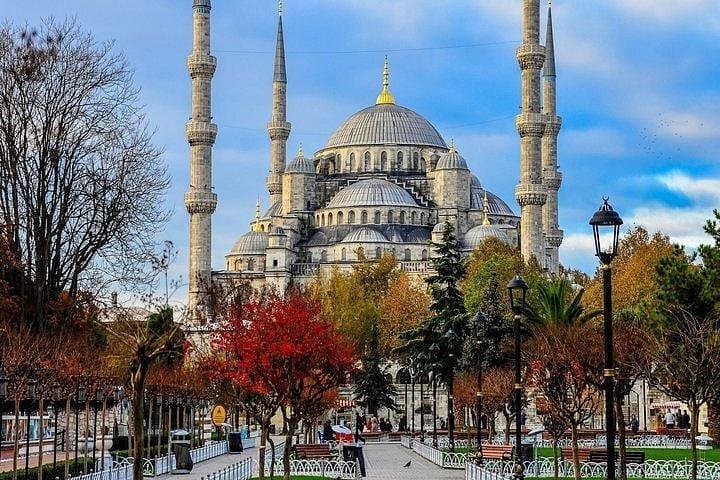
Visitors frequently praise the fountain's intricate architectural details and its well-maintained condition. Many note its beauty, especially when viewed up close, appreciating the craftsmanship of the mosaics and the overall design. It's often described as a pleasant surprise for those who stumble upon it while exploring the more famous landmarks in Sultanahmet. However, some visitors mention that it can be easily missed amidst the grandeur of the nearby Hagia Sophia and Blue Mosque, suggesting it requires a deliberate pause to fully appreciate.
To best experience the fountain, allocate about 10-15 minutes for a closer look. It's best visited during daylight hours, ideally in the morning or late afternoon when the light enhances its details and the square is less crowded. There's no specific preparation needed, but bringing a camera is recommended to capture its unique design. As it's located in a high-traffic tourist area, be mindful of your belongings.
The Kaiser Wilhelm Fountain is conveniently located within Sultanahmet Square, making it easily accessible by public transport. The nearest tram stop is Sultanahmet (T1 line), which is just a few minutes' walk away. From the tram stop, simply head towards the Hippodrome area, and the fountain will be visible near the Obelisk of Theodosius. Given its central location, driving is not recommended due to limited parking and heavy traffic; public transport or walking from nearby attractions is the most practical approach.
A common complaint is that the fountain can be overshadowed by the larger, more famous attractions in Sultanahmet Square, leading some visitors to pass by without fully noticing its historical and architectural value. To mitigate this, make a conscious effort to seek it out and spend a few moments appreciating its unique design and the story it tells. Reading about its history beforehand can also enhance the visit.