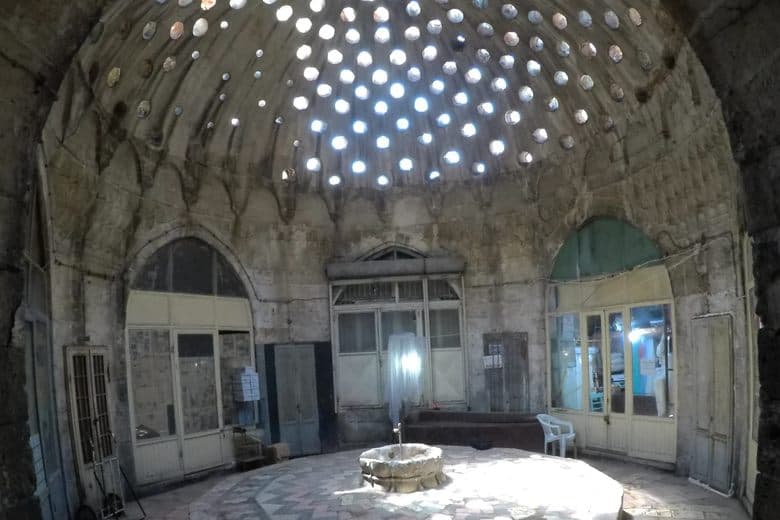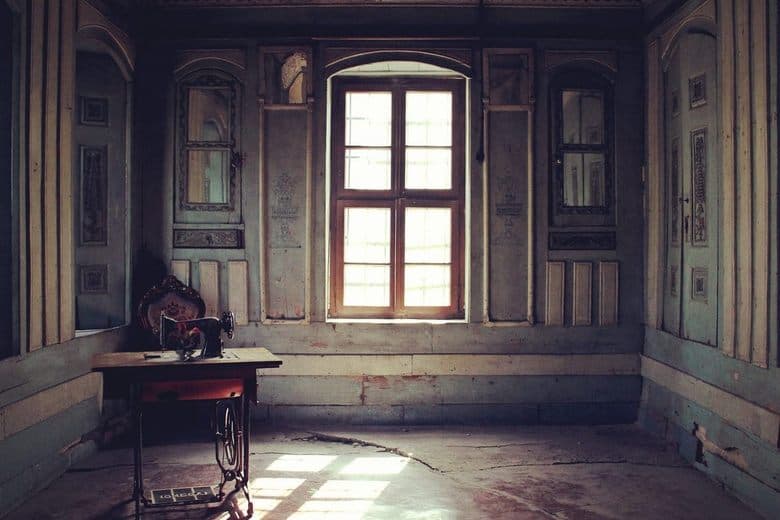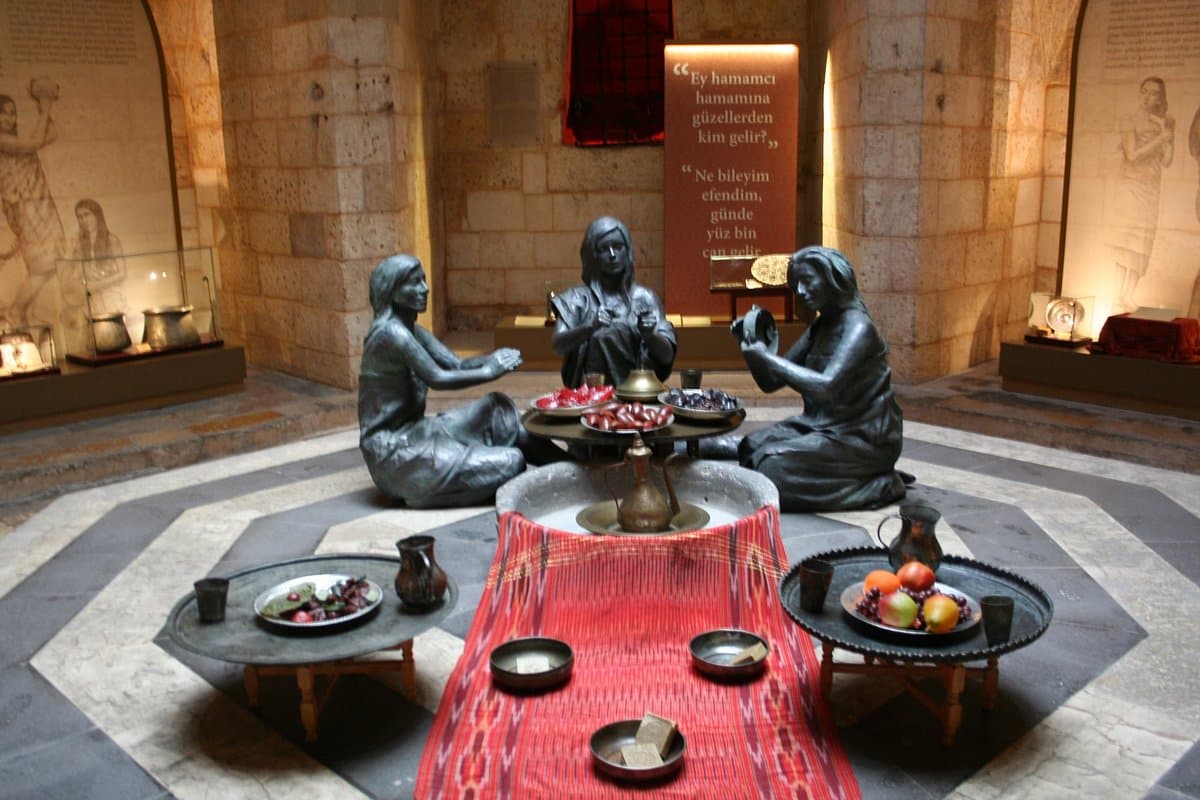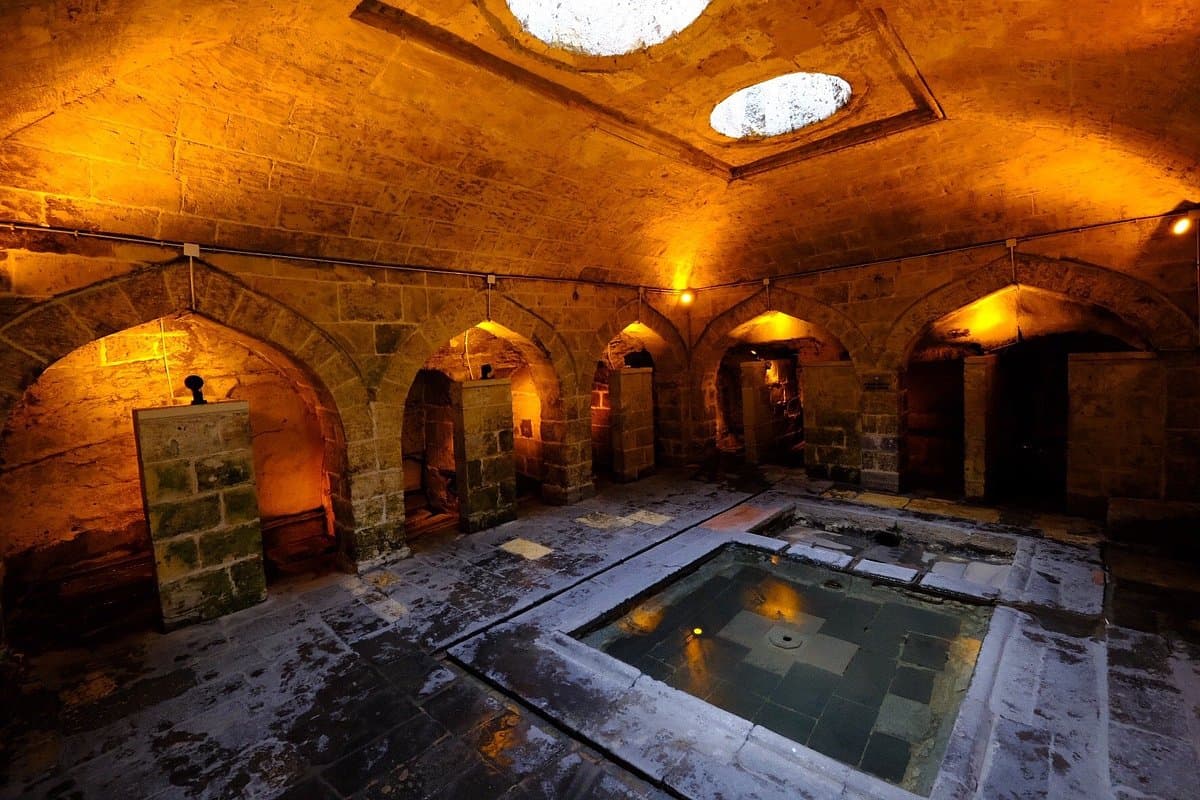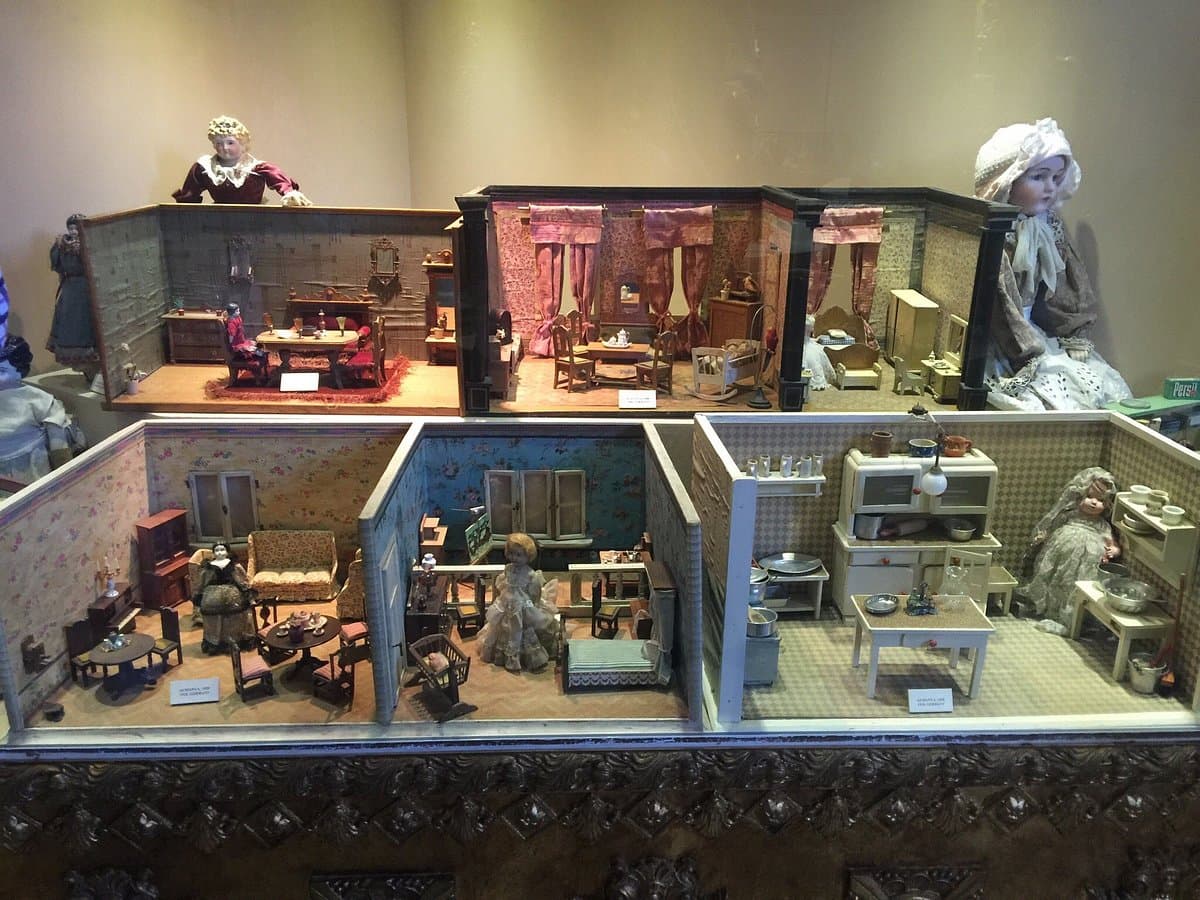
The Gaziantep Toy Museum, officially known as Gaziantep Oyun ve Oyuncak Müzesi, is a unique cultural institution dedicated to preserving and showcasing the history of toys. Housed within a beautifully restored historic mansion in the Bey Mahallesi, it offers a fascinating glimpse into childhoods past, featuring toys from the early 20th century up to the 1980s. Its significance lies in its ability to evoke nostalgia and illustrate cultural differences through playthings from around the world.
Visitors consistently praise the museum's ability to transport them back to their own childhoods, with many noting the extensive collection of toys, particularly from the 1950s onwards. The museum's air-conditioned environment is frequently highlighted as a welcome respite, especially during hot Gaziantep summers. Families with children find it particularly engaging, though some parents mention that kids might wish to play with the exhibits rather than just observe. The collection, while diverse, features a notable number of toys from the USA and Germany, leading some to express a desire for more Turkish-specific toys.
For a pleasant visit, allocate about 30 minutes to an hour. The museum is small, spread across three floors, and can be explored at a leisurely pace. It's best visited during the day, especially if you're looking for a cool escape. The entry fee is remarkably low, often just 1 Turkish Lira, making it a very budget-friendly activity. Consider combining your visit with the nearby Atatürk Memorial House, which is just a short walk away.
Reaching the museum requires a bit of effort, as it is situated in the Old City's narrow streets. Visitors frequently mention that it's difficult to access by car, with limited parking options nearby. The best approach is to walk, allowing you to explore the charming historic neighborhood. Many reviewers recommend going on foot, as the museum is centrally located within the Bey quarter, making it accessible from many hotels.
A common complaint is the lack of interactive elements, as visitors, especially children, cannot play with the displayed toys. While this is typical for a museum, managing expectations for younger visitors can help. Some also note that the exhibition layout could be improved. Despite these minor points, the overwhelmingly positive sentiment suggests that the museum provides a valuable and enjoyable experience, particularly for those interested in cultural history and nostalgia.