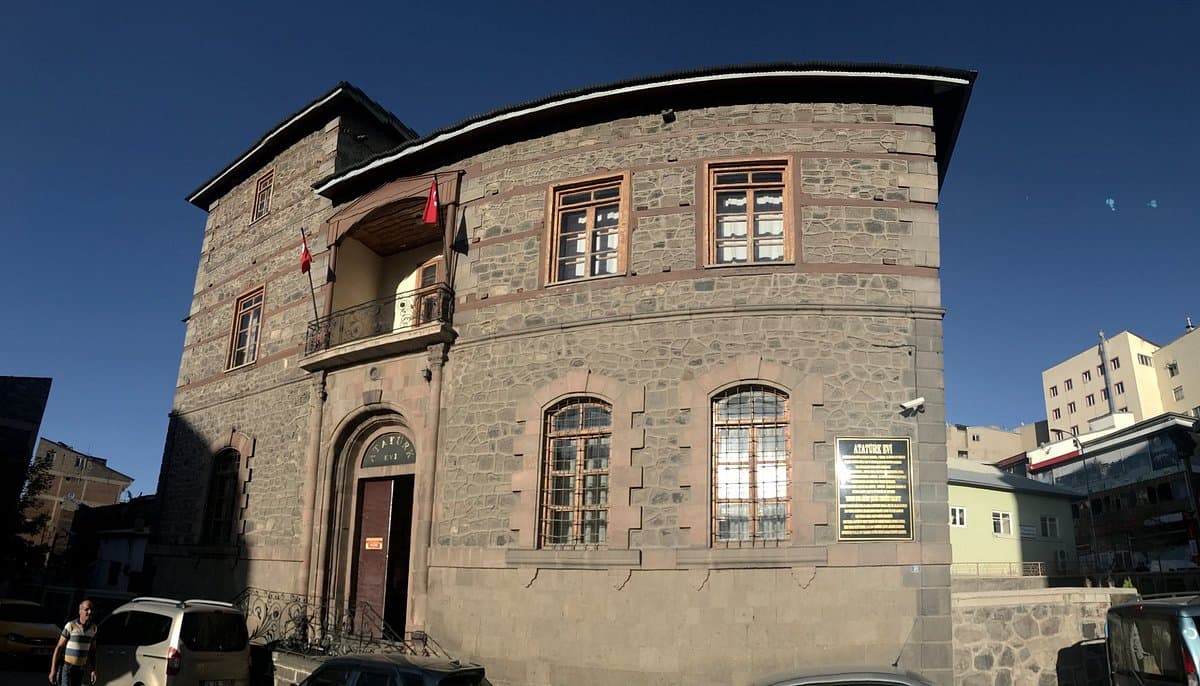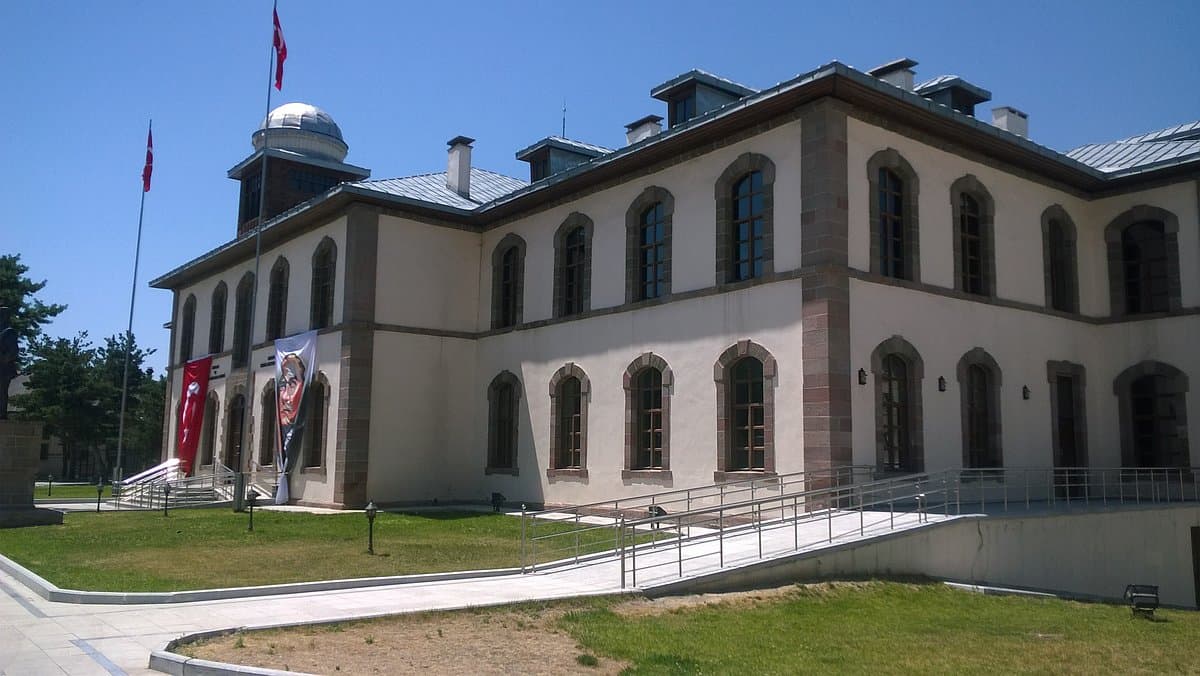
The Erzurum Congress and National Struggle Museum is housed in the historic building where the Erzurum Congress convened in 1919. This event was a critical turning point in the Turkish War of Independence, laying the groundwork for the establishment of the modern Turkish Republic under the leadership of Mustafa Kemal Atatürk. The museum preserves the original congress hall, allowing visitors to stand in the very place where momentous decisions were made.
Visitors consistently praise the museum for its profound historical significance. Many describe feeling a strong connection to the past, particularly when standing in the congress hall itself, imagining the debates and decisions that shaped a nation. The presence of the original desks and nameplates helps to evoke this powerful sense of history. Reviewers often highlight the opportunity for children to learn about this period in a tangible way, making history come alive beyond textbooks. The availability of an English leaflet is also appreciated by international visitors, helping to bridge the language barrier.
To make the most of your visit, allocate about 1-2 hours. While the museum is not large, the historical weight of the congress hall warrants time for reflection. It's particularly recommended for families, as the educational value is high. Consider visiting in the morning to avoid potential crowds, though the museum generally doesn't get overwhelmingly busy. Don't forget to ask for the English leaflet at the entrance if you don't speak Turkish, as most exhibits are in the local language. The museum card is valid here, and entry is free for all visitors.
The museum is conveniently located on Kongre Caddesi in Erzurum. It's easily accessible within the city center, and many visitors find it within walking distance of other central attractions. Public transportation options in Erzurum would likely drop you off within a short walk of the museum, given its central location. If driving, street parking might be available nearby, but it's best to check local regulations.
A common complaint among visitors is the relative lack of physical artifacts beyond photographs and biographical information. Some reviewers suggest that adding more period-specific items could further enhance the immersive experience. To mitigate this, approach the museum with an appreciation for its primary focus: the preserved congress hall itself. Engage with the historical context provided by the leaflets and imagine the events that unfolded within those walls, rather than expecting a vast collection of objects.