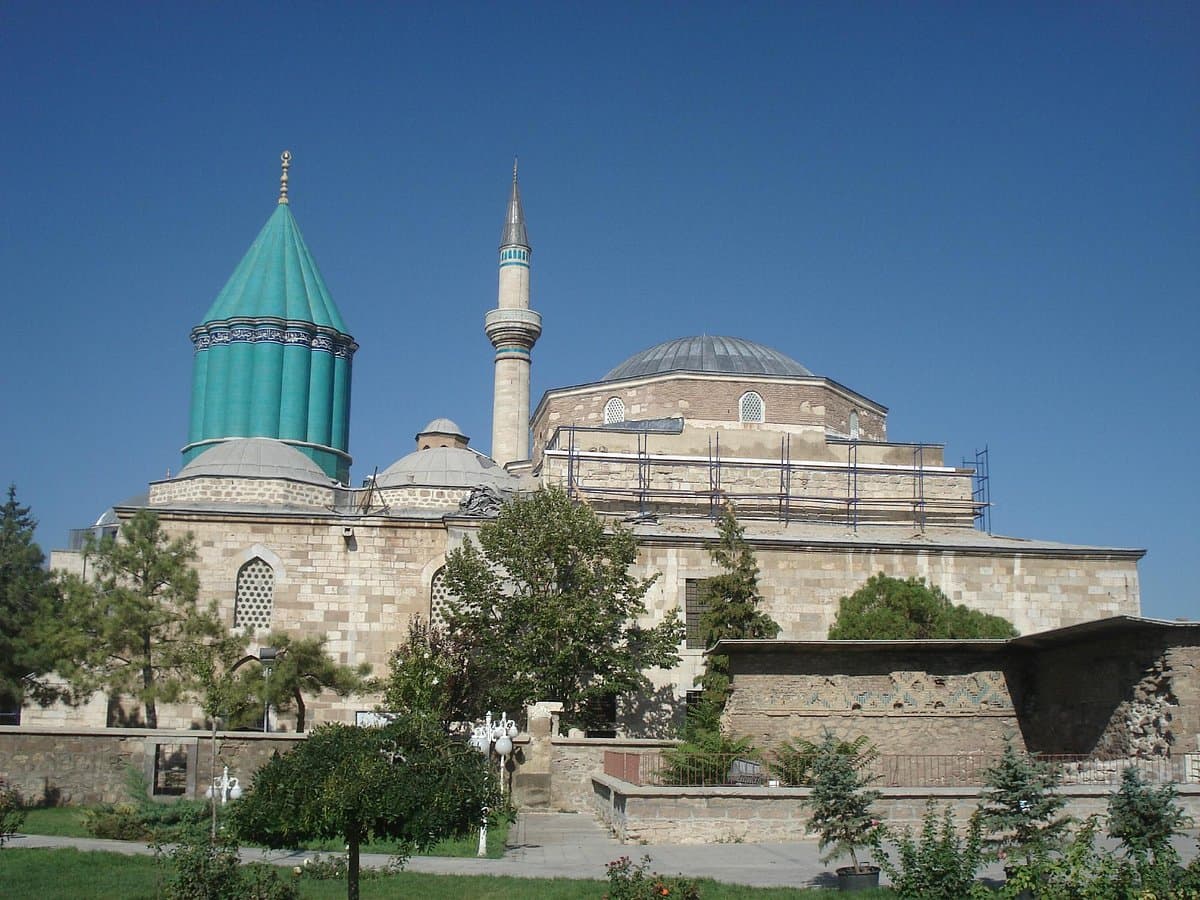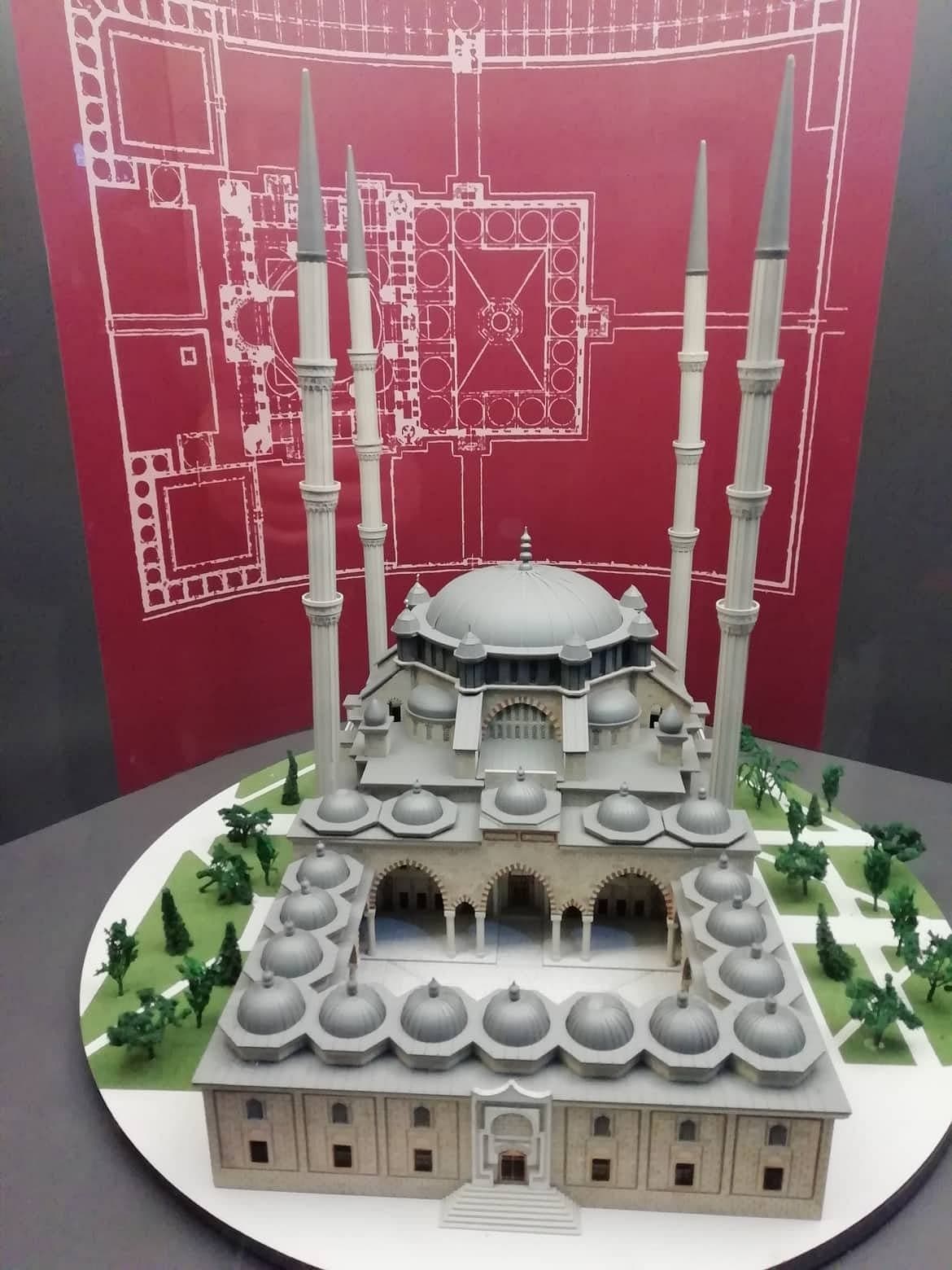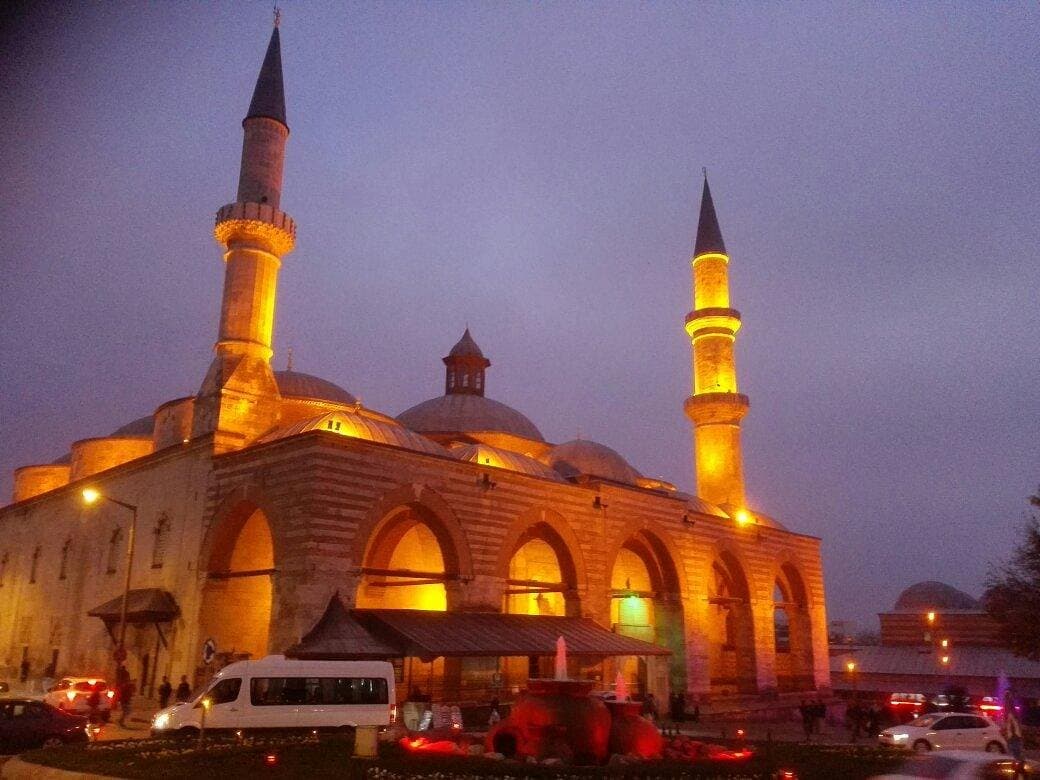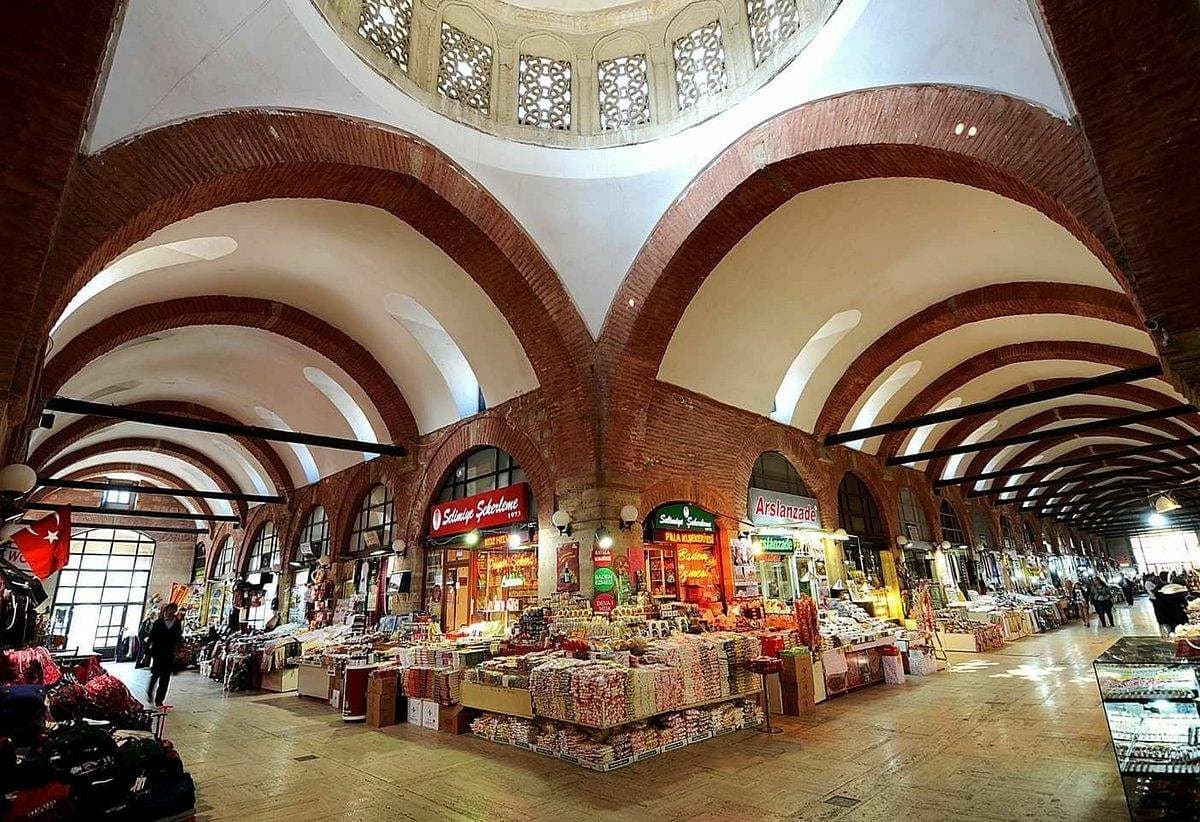
The Selimiye Arasta Bazaar, or Arasta Çarşısı, is a historic covered market originally built in the second half of the 16th century by Sultan Murad III to generate revenue for the upkeep of the adjacent Selimiye Mosque. Designed by Architect Davut Ağa, this bazaar is an integral part of the UNESCO World Heritage-listed Selimiye Mosque complex, showcasing Ottoman-era commercial architecture and its close relationship with religious endowments.
Visitors consistently praise the bazaar for its historical ambiance and its convenient location directly beneath the Selimiye Mosque, making it an easy stop after exploring the mosque itself. Many reviewers highlight the variety of goods available, including traditional Turkish souvenirs, local clothing, books, accessories, and especially local delicacies like fruit-shaped soaps, almond cookies (kavala), pistachio cookies (kallavi), and the unique 'deva-i misk' dessert made from 41 spices. While some find the souvenir selection to be generic, others appreciate the opportunity to find unique local products and gifts.
To make the most of your visit, allocate about 1-2 hours, especially if you enjoy browsing and shopping. It's best visited during the day, preferably after exploring the Selimiye Mosque, as the bazaar's primary function was to support the mosque. Reviewers suggest looking for specific local products like the traditional Edirne sweets rather than just generic souvenirs. Prices are generally considered normal, and some vendors may know a few words of Greek, indicating a history of cross-border trade.
The Selimiye Arasta Bazaar is located directly adjacent to the Selimiye Mosque in Edirne. As the mosque is a major landmark, it is easily accessible. Many visitors arrive by walking from the city center or by local public transport. Edirne itself is reachable by bus from major Turkish cities and also from Bulgaria. Parking might be available in the vicinity of the mosque for those driving, but walking is often preferred due to the central location.
A common complaint among some visitors is the perceived lack of unique items, with some shops selling what they describe as "dodgy souvenirs." To mitigate this, focus on seeking out the specific local products mentioned in reviews, such as the traditional Edirne sweets and fruit-shaped soaps, which are more authentic and representative of the region.