The Edirne Archaeology Museum serves as a concise yet comprehensive repository of the rich history of the Edirne region, spanning from prehistoric periods through Greek, Roman, and Byzantine eras, up to the Ottoman Empire. It's particularly significant for showcasing artifacts unearthed from local sites, offering a tangible connection to the area's deep past.
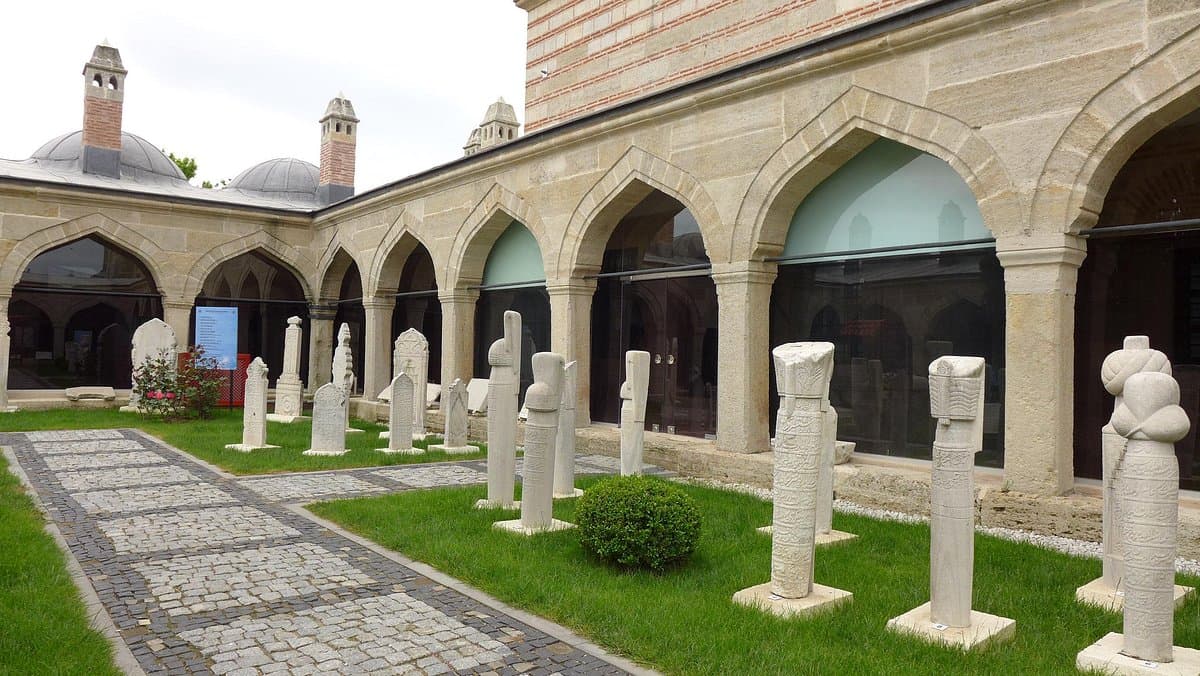
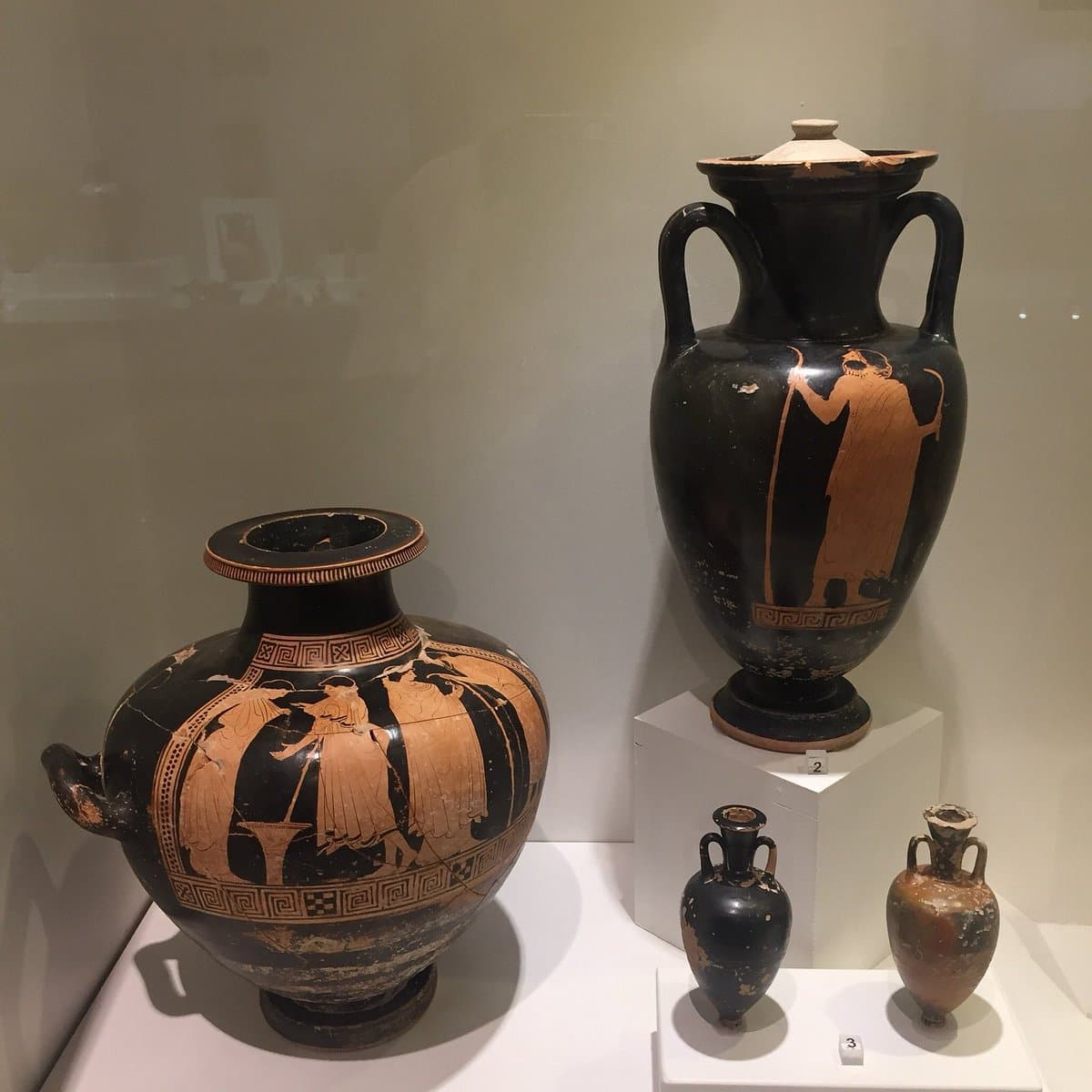
Visitors consistently praise the museum's manageable size, noting that it's "small but a gem" and "friendly," allowing for an engaging experience without feeling overwhelmed. The collection is diverse, featuring archaeological finds like ancient Greek and Roman sculptures, vases, and toys, many from the ancient city of Ainos (modern Enez). Reviewers highlight the ethnographic section with its "colourful" displays of Turkish folklore, including a recreated bridal room and living room, as particularly interesting. The outdoor garden, adorned with sculptures, also receives positive mentions.
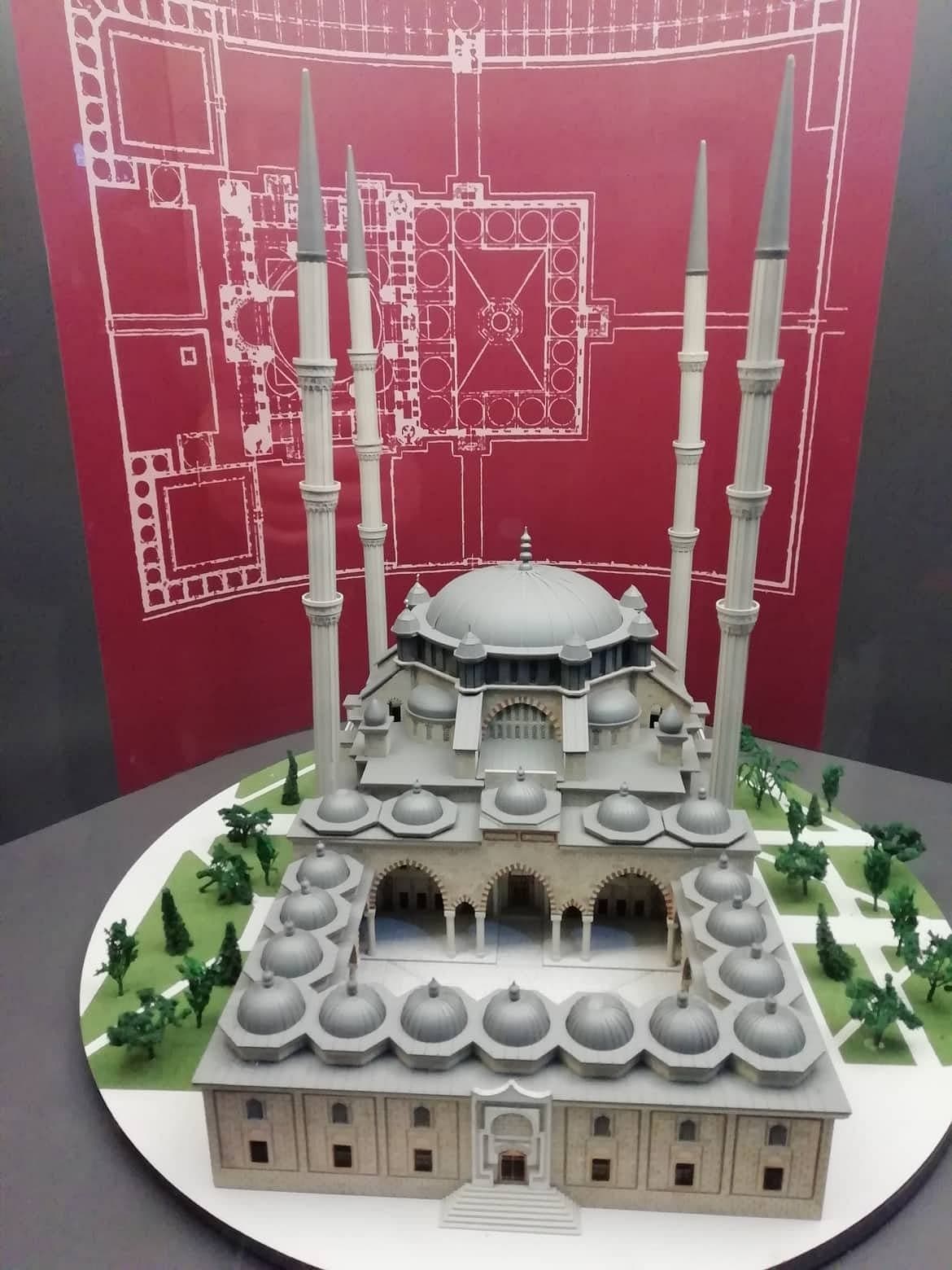
To make the most of your visit, plan to spend about 30 minutes to an hour. Many visitors suggest combining a trip here with a visit to the nearby Selimiye Mosque, as the museum is just behind or across from it. The museum is an excellent option for escaping the heat during warmer months. While the museum is generally well-regarded, some visitors note a lack of English leaflets, so consider using a translation app or doing some prior research if you want detailed explanations for every exhibit.
The museum is conveniently located in Meydan Mahallesi, Kadirpasa Mektep Sokak No:7, directly behind or across from the iconic Selimiye Mosque. This central location makes it easily accessible on foot if you are already exploring the mosque complex or the city center. Public transportation options in Edirne typically involve local buses or taxis, but for most visitors already in the vicinity of Selimiye, walking is the most straightforward approach.
A common minor complaint is the limited availability of English descriptions for all exhibits. To mitigate this, consider downloading a translation app on your phone before visiting, or simply appreciate the visual aspects of the artifacts. Despite this, the museum's small size ensures that even with limited English information, the key historical periods and types of artifacts are still discernible and enjoyable.