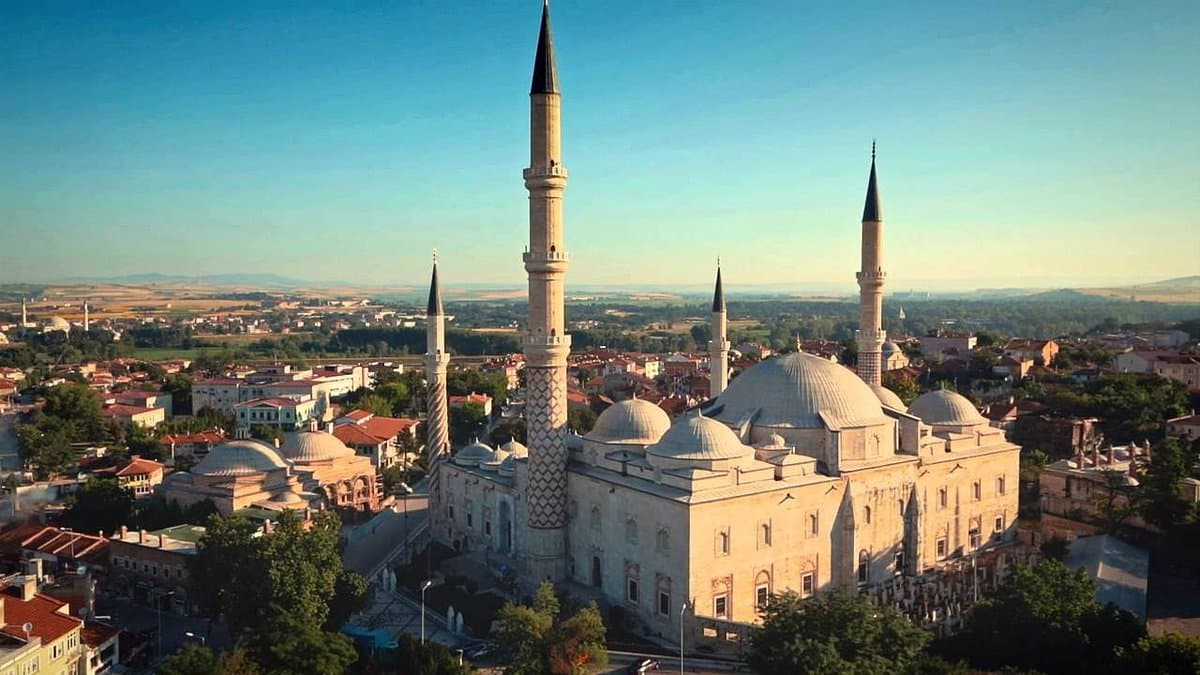
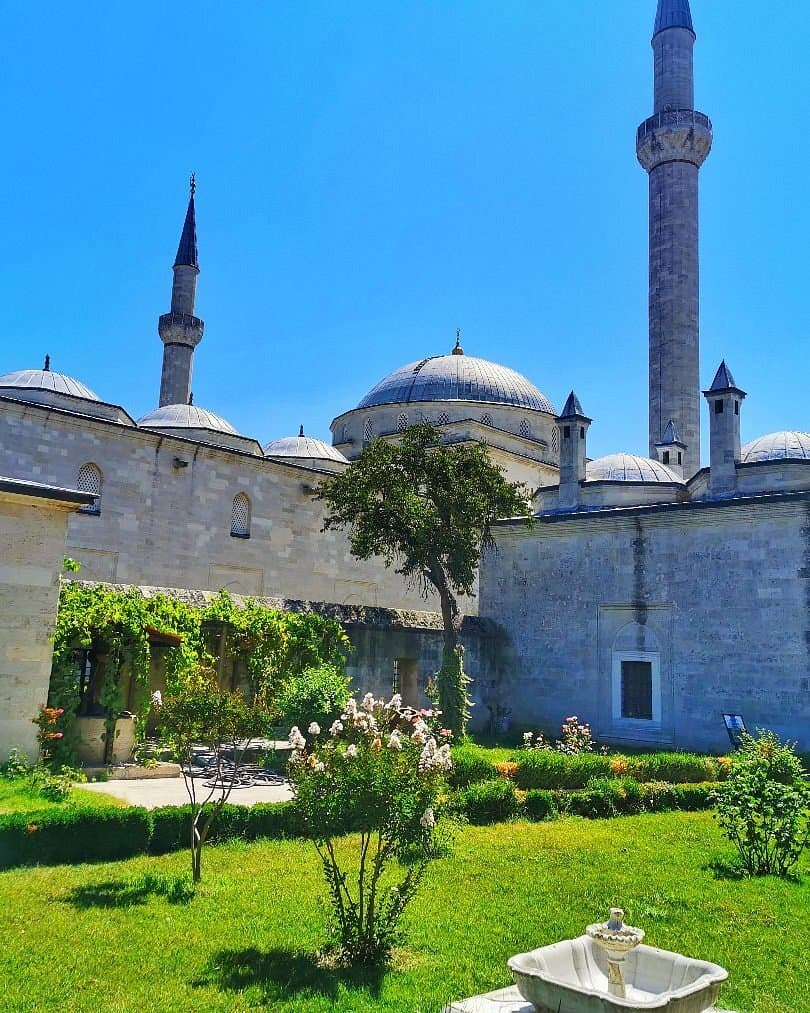
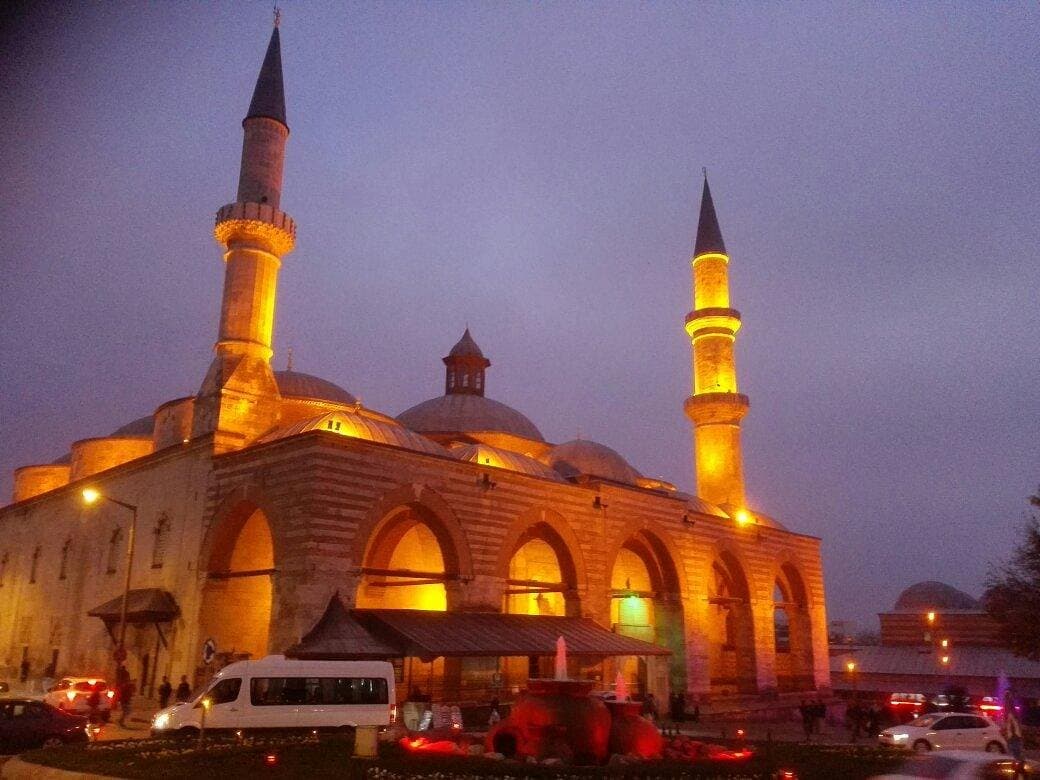
The Beyazid II Kulliyesi Health Museum, housed within a grand 15th-century Ottoman complex, offers a compelling journey into the history of medicine during the Ottoman Empire. Originally built by Sultan Beyazid II between 1484 and 1488, this kulliye (social complex) served as a hospital, medical school, mosque, and various other public facilities. It stands as a testament to the advanced medical knowledge and humanitarian approach of the era, particularly its pioneering methods in treating mental health.
Visitors consistently praise the museum's immersive exhibits, which utilize wax figures and detailed dioramas to vividly recreate medical practices and student life. Many reviewers highlight the innovative treatments for mental patients, such as music therapy, aromatherapy with rose oil, and the soothing sounds of water, finding these methods remarkably progressive for their time. The serene atmosphere, often enhanced by the sound of reed flutes and flowing water, is frequently mentioned as a peaceful and contemplative experience. Medical professionals, in particular, find the detailed information and historical context invaluable, often noting how advanced Ottoman medicine was compared to contemporary European practices.
To make the most of your visit, allocate at least 1.5 to 2 hours to explore the complex thoroughly. Many visitors recommend taking the time to read the informative boards in each room, as they provide crucial context for the exhibits. While the museum is engaging for adults, several reviewers note it's also suitable for children, making it a good family destination. Consider visiting during off-peak hours to enjoy a more tranquil experience, as the calming sounds and atmosphere are best appreciated without large crowds. Although some older reviews mention cash payments, recent feedback indicates that entry can only be paid by card, so be prepared with a suitable payment method.
The museum is located about 2 km from Edirne city center, on the banks of the Tunca River. While not directly in the city center, it's easily accessible. Many visitors recommend taking a taxi, which is generally inexpensive and takes about 10 minutes from the city center. Public transportation options are less frequently mentioned in reviews, suggesting a taxi or private car is the most convenient way to reach the site. If driving, follow the side road off the main highway; signage might be minimal according to some past visitors. Parking is generally available on site.
A common complaint among some visitors is the potential for the exhibits to feel somewhat static if the informational boards are not read. To mitigate this, engage with the detailed descriptions provided in each room, which bring the wax figures and historical settings to life. While the museum is highly rated, a few visitors who are not keen on museums in general found it less exciting; however, even they acknowledged the historical significance and interesting insights into ancient medical practices.