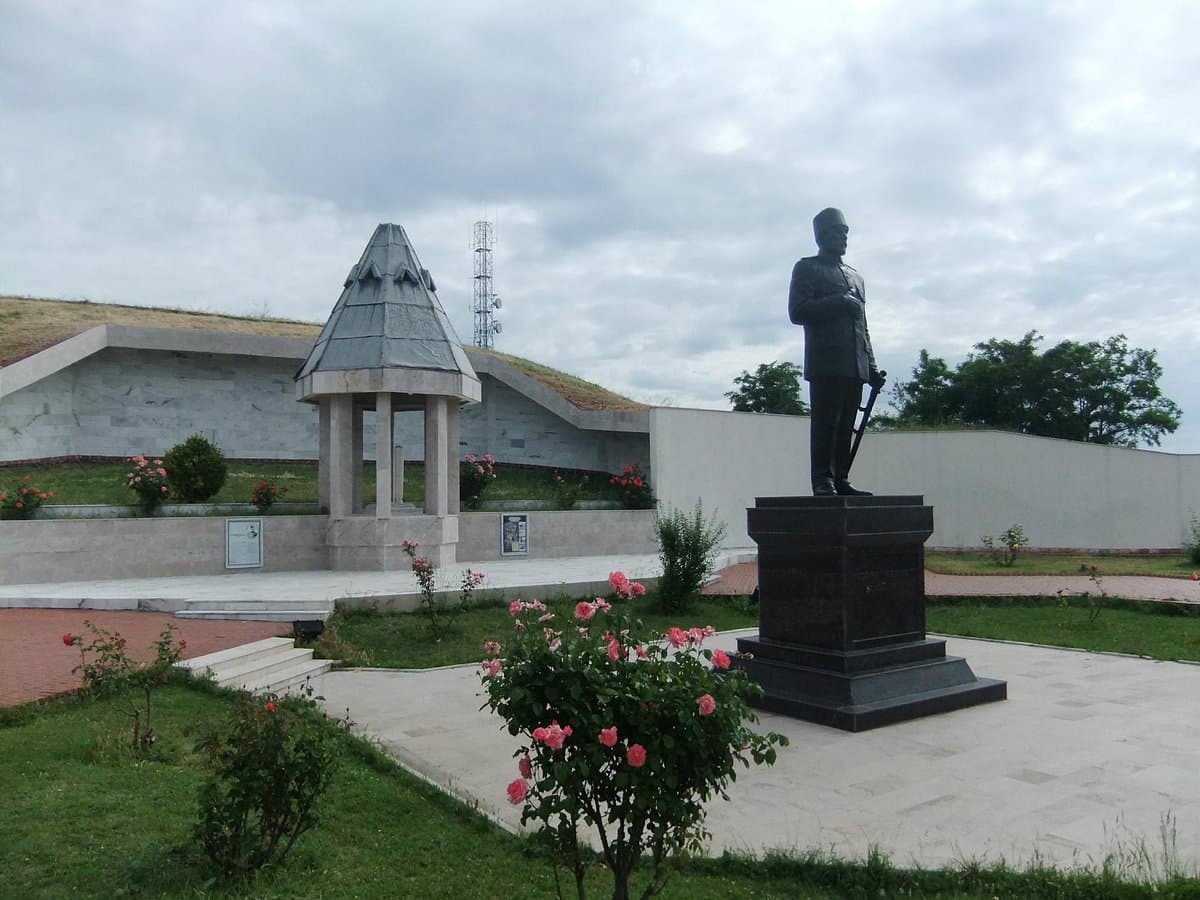
The Balkan War Museum is dedicated to the First Balkan War, a conflict that significantly shaped the geopolitical landscape of the early 20th century and served as a precursor to World War I. Located in Edirne, a city with deep historical ties to the Ottoman Empire and its military past, the museum aims to preserve the memory and lessons of this often-forgotten war. It provides a physical space for visitors to connect with the events and experiences of the era, particularly through its outdoor exhibits and preserved fortifications.
Visitors consistently highlight the unique experience of walking through the actual redoubts and fortifications, noting that hearing the sound of shells (presumably through audio installations) adds a powerful, immersive dimension. This hands-on exploration of the historical battlefield is a major draw for those interested in military history. However, several reviewers mention that much of the information is presented solely in Turkish, making it challenging for non-Turkish speakers to fully grasp the context and details of the displays. Some also express concerns about the museum's narrative, perceiving it as a one-sided or propagandistic portrayal of history, focusing on victimhood rather than a balanced account.
To make the most of your visit, allocate approximately 1 to 2 hours. It is advisable to go during daylight hours to fully appreciate the outdoor elements. If you do not speak Turkish, consider bringing a translation app or a knowledgeable local guide to help interpret the exhibits. Given the historical nature of the site, comfortable walking shoes are recommended, especially for exploring the redoubts. The museum is free of charge, which is a significant advantage for budget-conscious travelers.
The museum is located in Edirne. While specific public transport details are not widely available in reviews, Edirne is a relatively compact city. Taxis or local buses would likely be the most convenient options for reaching the museum from the city center. If driving, check for local parking availability, though it's generally less of an issue outside the immediate city core.
The primary complaint revolves around the lack of English explanations and the perceived biased historical narrative. To mitigate the language barrier, prepare with a translation tool or consider researching the Balkan Wars beforehand to provide context. Regarding the historical interpretation, visitors should approach the exhibits with a critical perspective, understanding that museums often present history from a particular national viewpoint. Focusing on the physical structures and the atmosphere of the site can still offer a valuable experience, even if the textual information is limited.