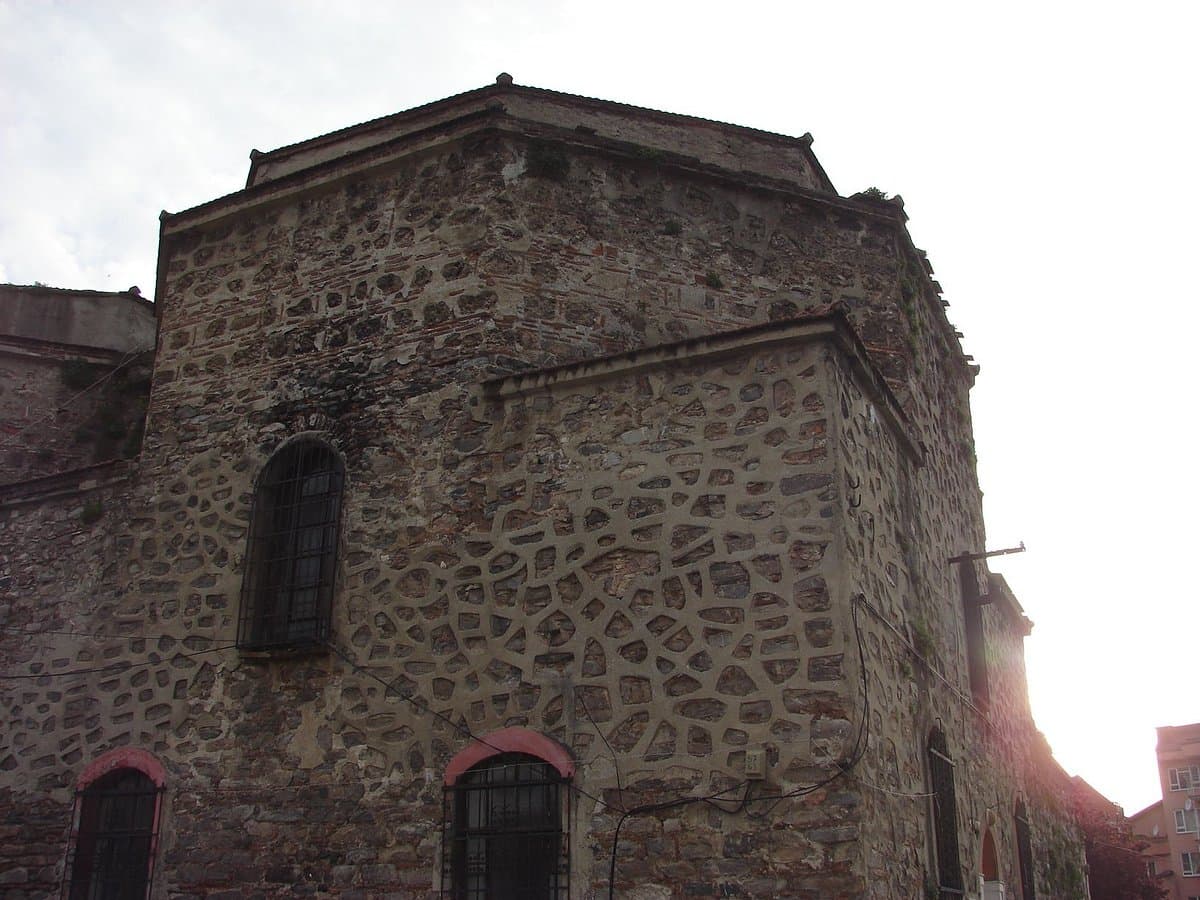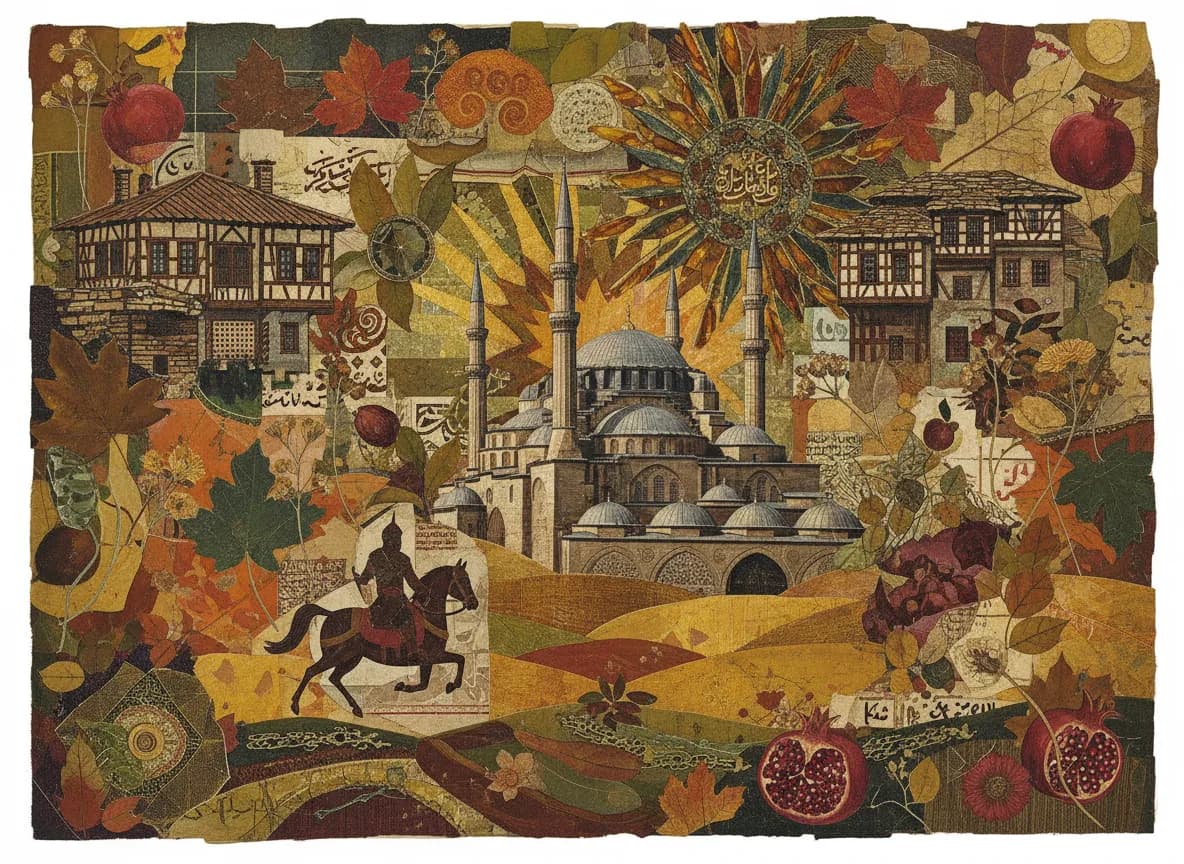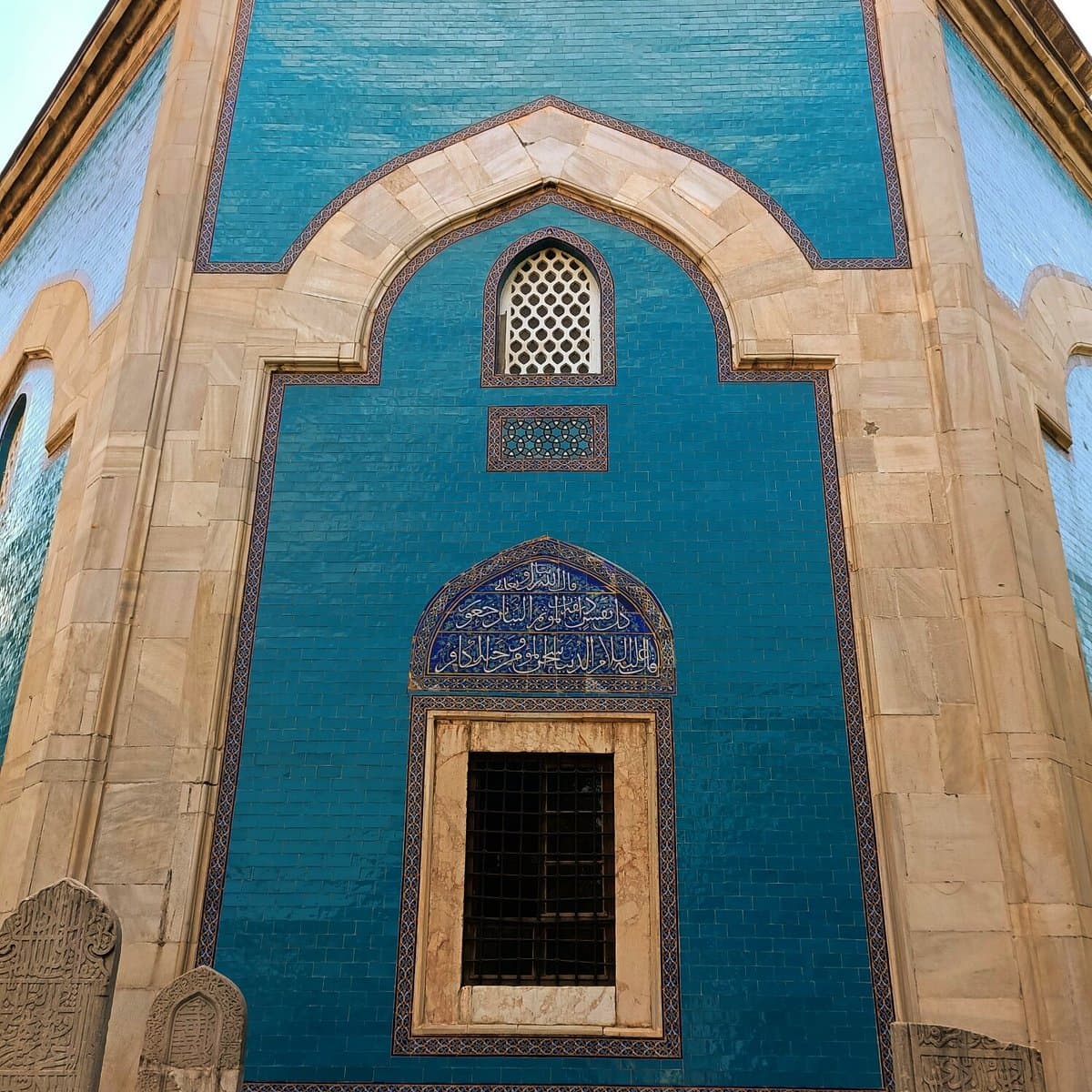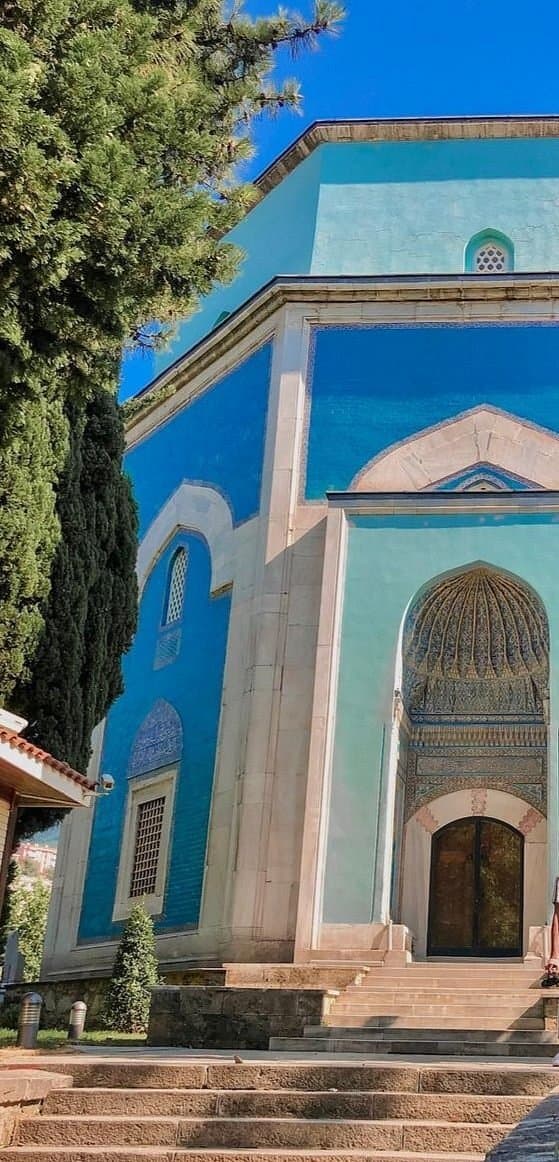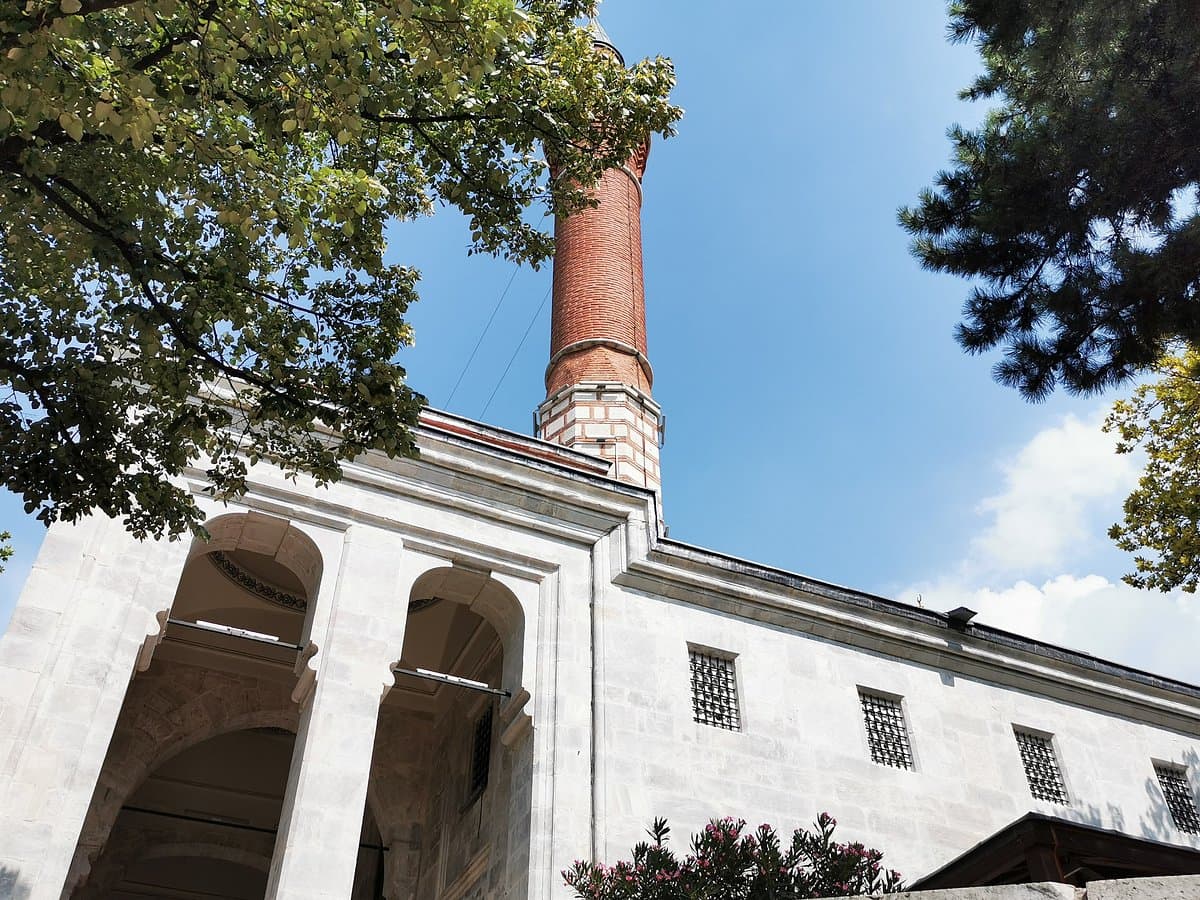
The Yildirim Bayezit Mosque, also known as Yıldırım Bayezit Camii, is a significant historical complex in Bursa, dating back to the early Ottoman period. It was commissioned by Sultan Bayezit I, nicknamed 'Yıldırım' (Lightning Fast) for his swift military campaigns. This mosque is an important example of Ottoman architecture from the late 14th century and forms part of a larger külliye (complex) that originally included a madrasa (university), a hospital, and a tomb.
Visitors consistently praise the mosque's authentic Ottoman-era architecture, highlighting its construction from natural stones and the intricate calligraphic details. Many reviewers find the interior, with its windows, doors, carpets, and lighting, to be impressive, despite some noting it might not be as ornate as the more famous Green Mosque. The historical context, particularly the tomb of Sultan Bayezit I nearby, adds to its appeal, with some visitors emphasizing its importance in world history.
To fully appreciate the site, visitors recommend allocating about 1 to 1.5 hours. It's best to visit during daylight hours to see the architectural details clearly. As with any active place of worship, modest dress is advised, and women should bring a head covering. There are local artifact shops nearby, which some visitors enjoy exploring after their visit to the mosque.
The mosque is located in Bursa and is within walking distance of other local attractions and shops. While specific public transport lines are not detailed in reviews, its central location suggests it is accessible by local buses or taxis. Visitors often combine a visit here with other historical sites in Bursa, making it a convenient stop on a broader historical tour.
A common sentiment among reviewers is that while the mosque is impressive, it might be overshadowed by the more elaborate Green Mosque. However, this should not deter visitors, as the Yildirim Bayezit Mosque offers a distinct and valuable historical experience, showcasing a different facet of early Ottoman design. Expect a more understated beauty compared to later, grander Ottoman structures.