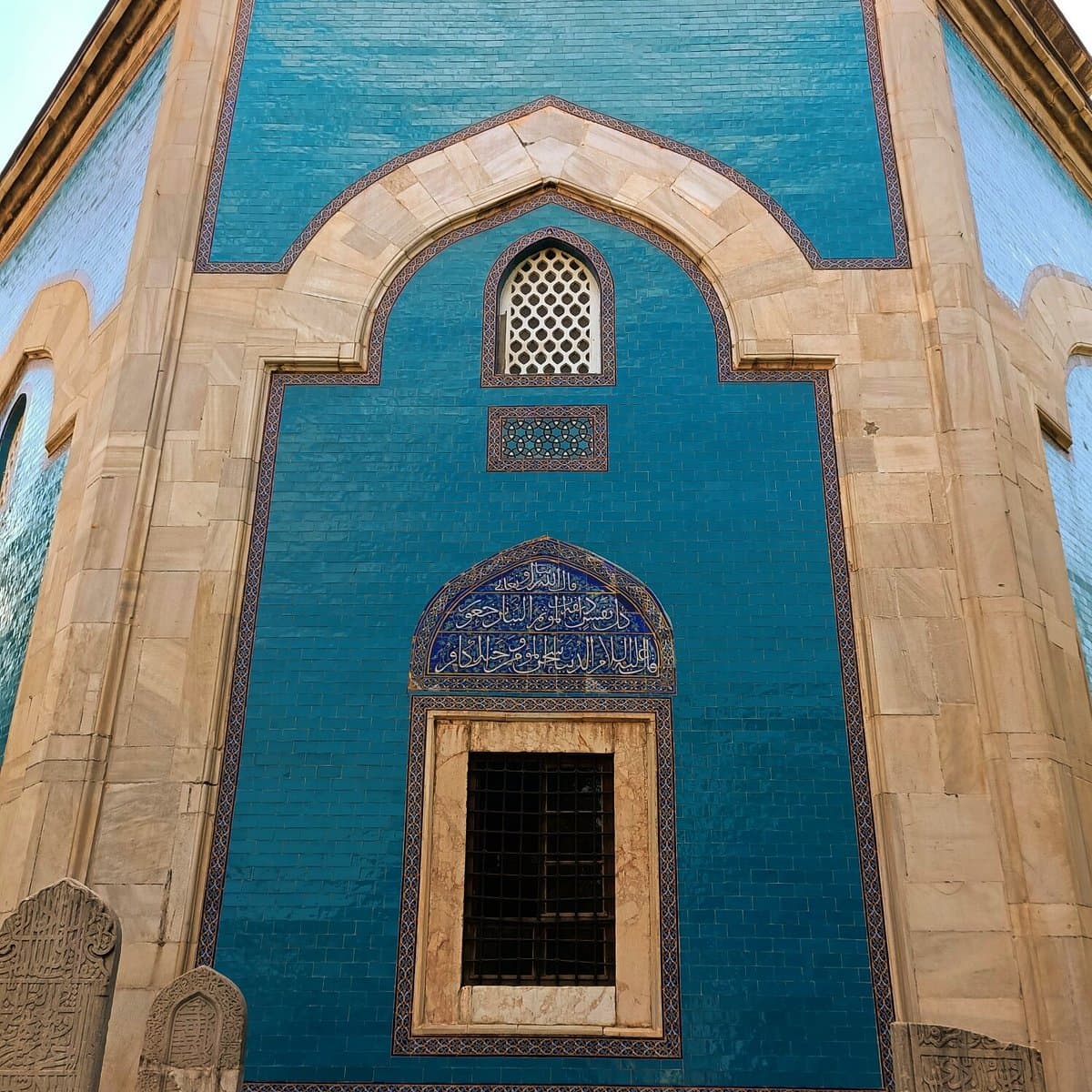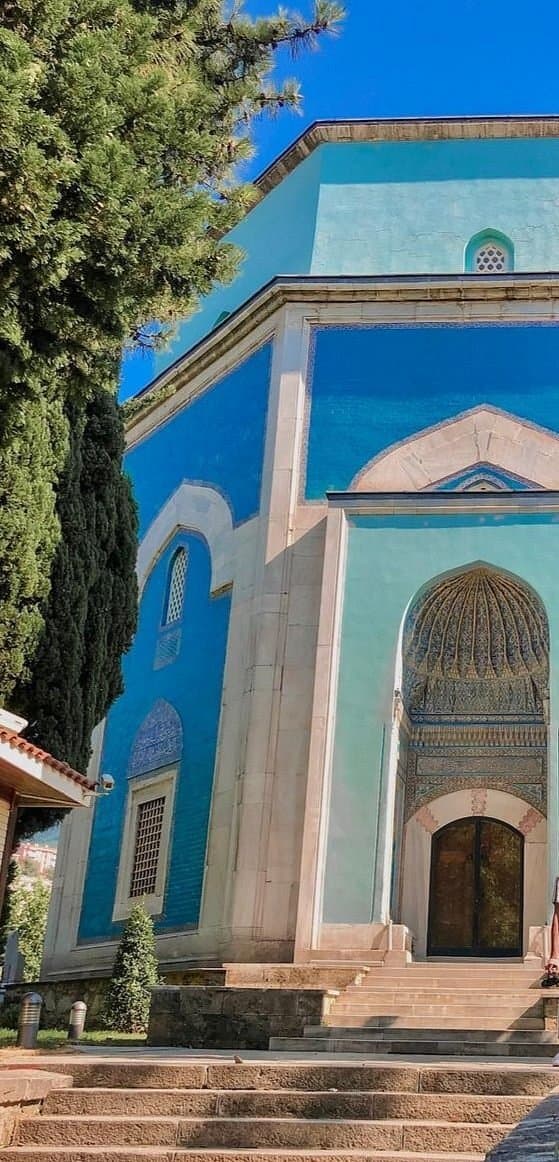
The Green Tomb (Yeşil Türbe) is the mausoleum of Sultan Mehmed I, the fifth Ottoman Sultan, who played a crucial role in reuniting the Ottoman Empire after a period of interregnum. Built in the early 15th century, it stands as a significant example of early Ottoman architecture and is renowned for its exquisite Iznik tilework. The tomb is part of a larger complex that includes the adjacent Green Mosque, and together they represent a pivotal era in Ottoman history and artistic development.
Visitors frequently praise the tomb's stunning interior and exterior tile decorations. Many describe the intricate patterns and vibrant colors, particularly the dominant turquoise and blue hues, as breathtaking and a true architectural wonder. Reviewers often highlight the peaceful and spiritual atmosphere inside, noting a sense of reverence. While some visitors find the interior small, they emphasize that the richness of the architectural details and the beauty of the ceramics make it well worth a visit. The tomb houses the sarcophagus of Sultan Mehmed I along with those of his family members, offering a tangible connection to Ottoman royalty.
To make the most of your visit, allocate about 30-45 minutes to explore the tomb and its immediate surroundings. It is best visited in conjunction with the Green Mosque, as they are part of the same complex and offer a more complete historical experience. Early mornings are often recommended to avoid crowds, especially during prayer times at the nearby mosque. Entry is free, which visitors appreciate, making it an accessible historical site. No specific head covering is required for the tomb itself, unlike the mosque, but dressing respectfully is always advisable.
The Green Tomb is located in the Yeşil neighborhood of Bursa. It is easily accessible by walking from the city center, though some reviewers mention a number of steps leading up to the entrance, so comfortable shoes are recommended. It is situated on a hill, offering pleasant views of the surrounding area. Many visitors combine their trip with a visit to the nearby Koza Han (Silk Market) and other historical sites in Bursa, often reaching the area by taxi or public transport from other parts of the city.
A common observation from visitors is that despite its name, the tiles are predominantly turquoise and blue rather than green. Some also note that while the tomb is beautiful, it is relatively small. To mitigate any disappointment, manage expectations regarding its size and focus on appreciating the intricate artistry and historical significance of the tilework. Reviewers suggest taking time to absorb the details of the ceramics and the overall ambiance rather than rushing through.