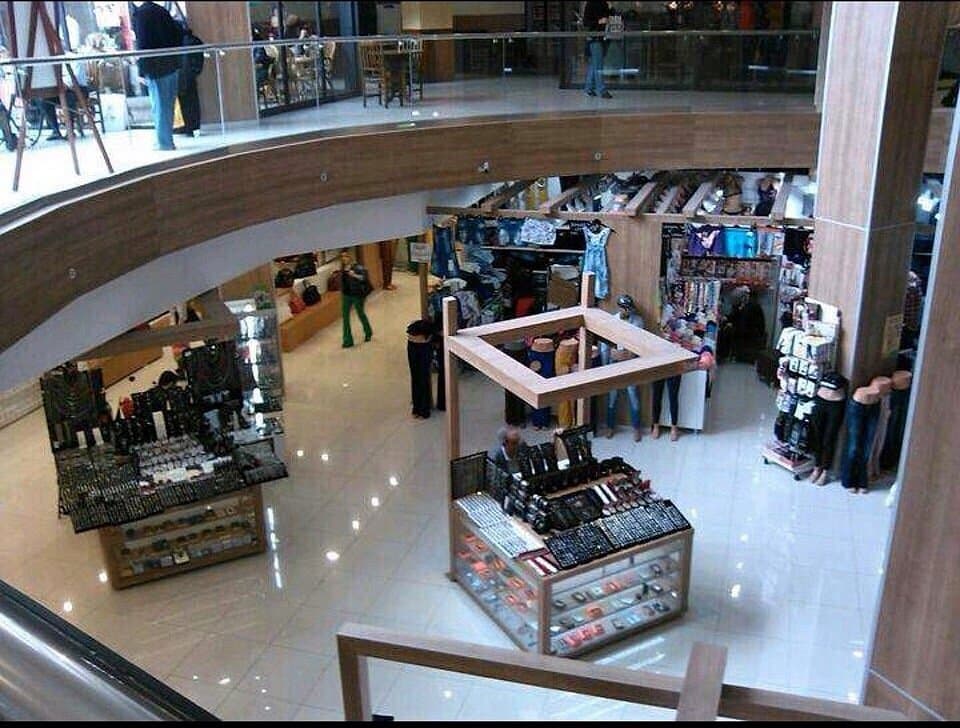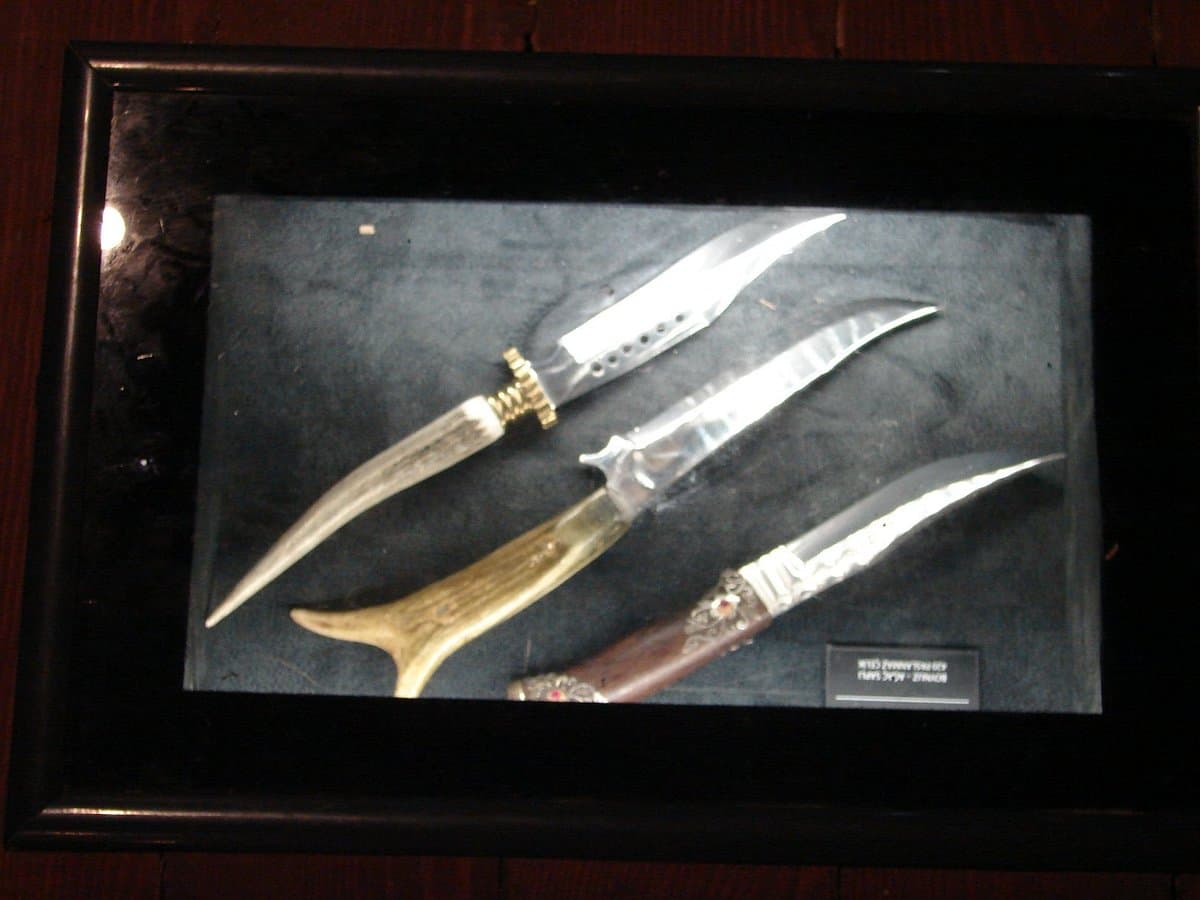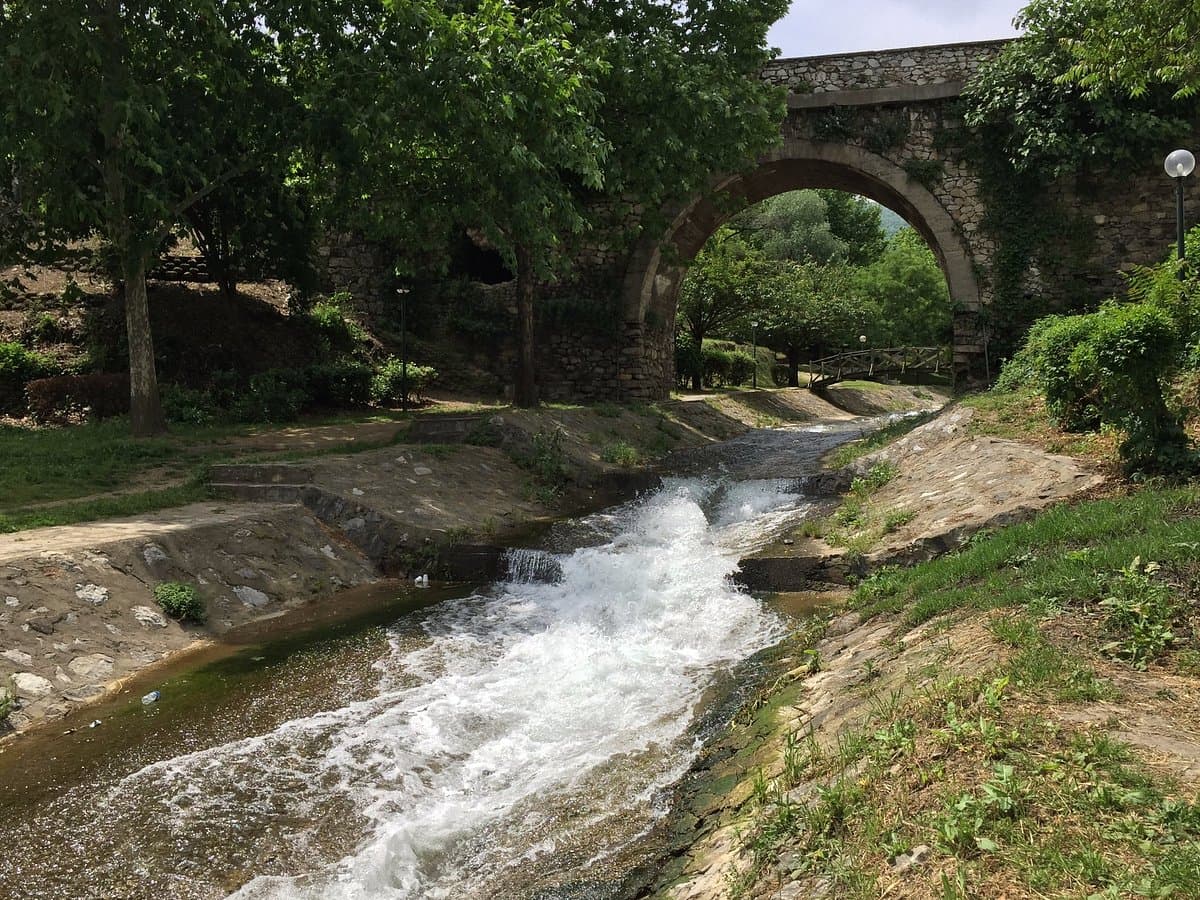
What this place is: Irgandi Bridge is a 15th-century Ottoman covered bridge commissioned in 1442 by Müslihiddin, a wealthy silk merchant who traded with Italy. It is one of only three or four bazaar bridges in the world—structures where shops are built directly into the bridge itself. The bridge spans the Gökdere River (a tributary of the Nilüfer) in Bursa's historic centre and houses approximately 31 shops selling Turkish handicrafts, wood carvings, Bursa knives, jewellery, and souvenirs. Despite earthquake damage in 1854 and destruction during the Turkish War of Independence, it has been carefully restored and remains a functioning commercial and cultural landmark.
What visitors consistently praise: Reviewers highlight the bridge's architectural uniqueness and historical significance, frequently comparing it to Florence's Ponte Vecchio and Venice's Rialto Bridge. Many note that the restoration work has been done well, preserving the stone structure while maintaining its original character. Visitors appreciate the artisan quality of many shops—these are not mass-market tourist traps but working craftspeople's studios where items are produced on-site. The central location is frequently praised as more accessible than expected. Several reviewers mention the excellent homemade lemonades available at cafés on or near the bridge, and the pleasant atmosphere for taking photographs.
Common visitor experience and practical tips: Most visitors spend 20–30 minutes on the bridge, making it a quick stop rather than a lengthy destination. Arrive in the morning or early afternoon when more shops are open; several reviewers note that some artisan shops may have limited hours or be closed on certain days. The water flow beneath the bridge is minimal—do not expect a dramatic river scene. Wear comfortable shoes, as the bridge is narrow and can be crowded with tourists. Budget 500–2 000 ₽ (or equivalent) if you plan to purchase souvenirs; prices are moderate for handcrafted items. Combine this visit with nearby museums in Bursa's historic centre to make a fuller cultural outing. Photography is excellent from street level looking at the bridge's exterior, as well as from within the shops.
Getting there: Irgandi Bridge is located in Bursa's historic centre between Gökdere Boulevard (Gokdere Bulvari) and Selçuk Hatun Street (Selçuk Hatun Sk.), in the Osmangazi district. From Bursa's main transport hub (Bursa Otogar, the long-distance bus station), take a local dolmuş (shared minibus) or taxi heading to the city centre; the journey takes 15–20 minutes. If using public transport, tram line 1 serves central Bursa—alight at a stop near Gökdere Boulevard and walk 5–10 minutes. The bridge is walkable from Bursa's central shopping and museum district (Cumhuriyet Caddesi area), approximately 10–15 minutes on foot. Parking is available on nearby streets, though street parking can be limited during peak hours; a nearby paid car park is an option. Taxis are readily available and inexpensive for short journeys within the city.
Common complaints and how to mitigate them: Some visitors report disappointment at the bridge's small size and the brevity of the visit—expectations set by online descriptions sometimes exceed the actual experience. To avoid this, treat it as a 20–30 minute cultural stop rather than a major attraction. A few reviewers found many shops closed or uninteresting on their visit; plan your visit for mid-morning to early afternoon on a weekday or Saturday when artisans are more likely to be working. The minimal water flow beneath the bridge surprises some visitors expecting a more dramatic river scene; this is simply the nature of the Gökdere in this section. If you arrive and find the bridge underwhelming, the visit is short enough that you can quickly move on to other nearby attractions without significant time loss.