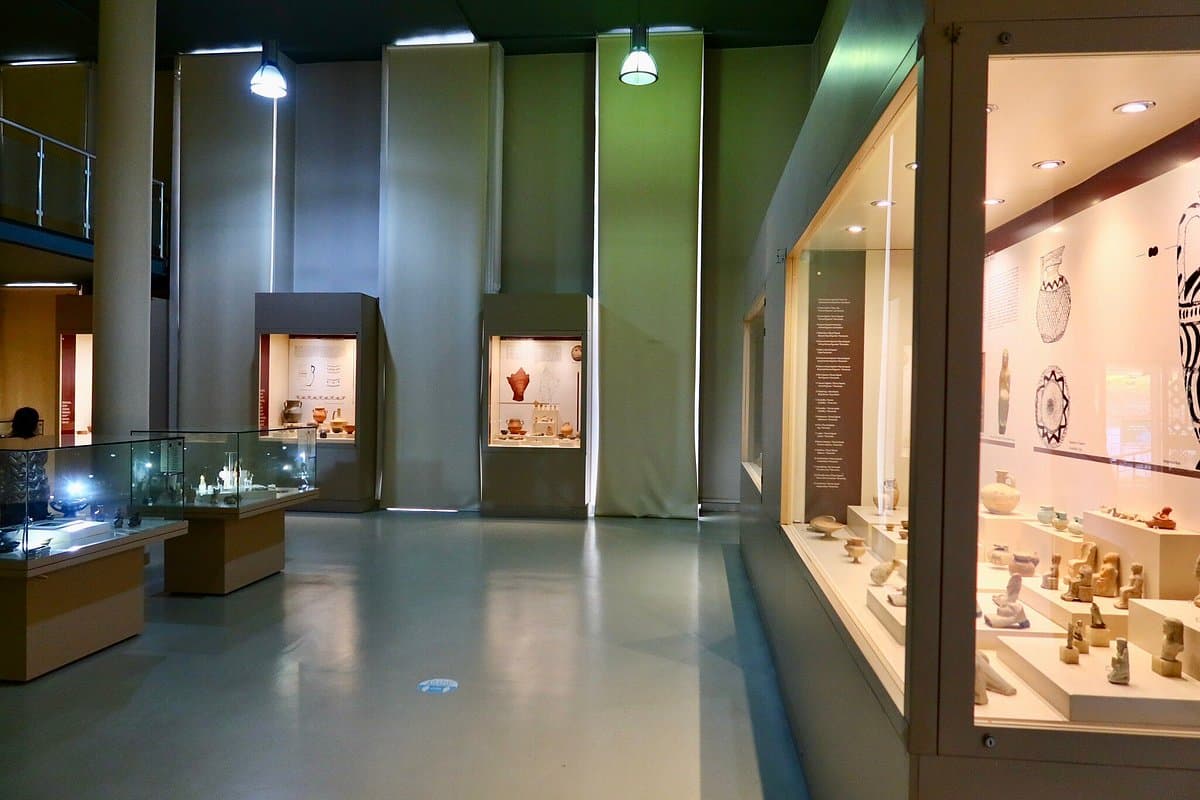
The Bursa Archaeological Museum is a significant cultural institution showcasing the rich historical tapestry of the Bursa region, from prehistoric periods through the Roman and Byzantine empires. It houses a diverse array of findings, including ancient fossils, pottery, coins, and notable sculptures, providing valuable insights into the civilizations that once thrived in Anatolia.
Visitors consistently express surprise at the quality and breadth of the collection, often highlighting the well-preserved female figurines and bronze statues of deities like Athena and Apollo. Many appreciate that the museum is not overly crowded, allowing for a more contemplative viewing experience. The availability of comprehensive English explanations for all exhibits is a frequently praised feature, making the historical context accessible to international guests. Reviewers note the museum's ability to offer a deep dive into ancient history, often leaving them feeling they wish for even more information.
To make the most of your visit, allocate at least 1.5 to 2 hours to explore the exhibits thoroughly. The museum is located within the beautiful Kültür Park, so consider combining your visit with a leisurely stroll or picnic in the park. It's generally not crowded, so you can visit at any time during opening hours without significant queues. Bringing a camera is recommended, as many find the artifacts quite photogenic. There are no specific items to skip, as the collection is curated to provide a cohesive historical narrative.
The museum is conveniently situated in Kültür Park, Osmangazi, Bursa. Visitors mention a large, free parking lot available, making it easily accessible for those traveling by car. For those using public transport, the park is a well-known landmark in Bursa and can be reached via various bus routes. The central location within the park means it's also a pleasant walk from nearby areas.
While the exhibits themselves are highly regarded, some visitors have noted issues with museum management or upkeep, though specific details are scarce. These complaints seem to be isolated, and the overall sentiment remains positive regarding the collection. To mitigate any potential minor inconveniences, focus on the exhibits and the historical information provided, which are the museum's main strengths.