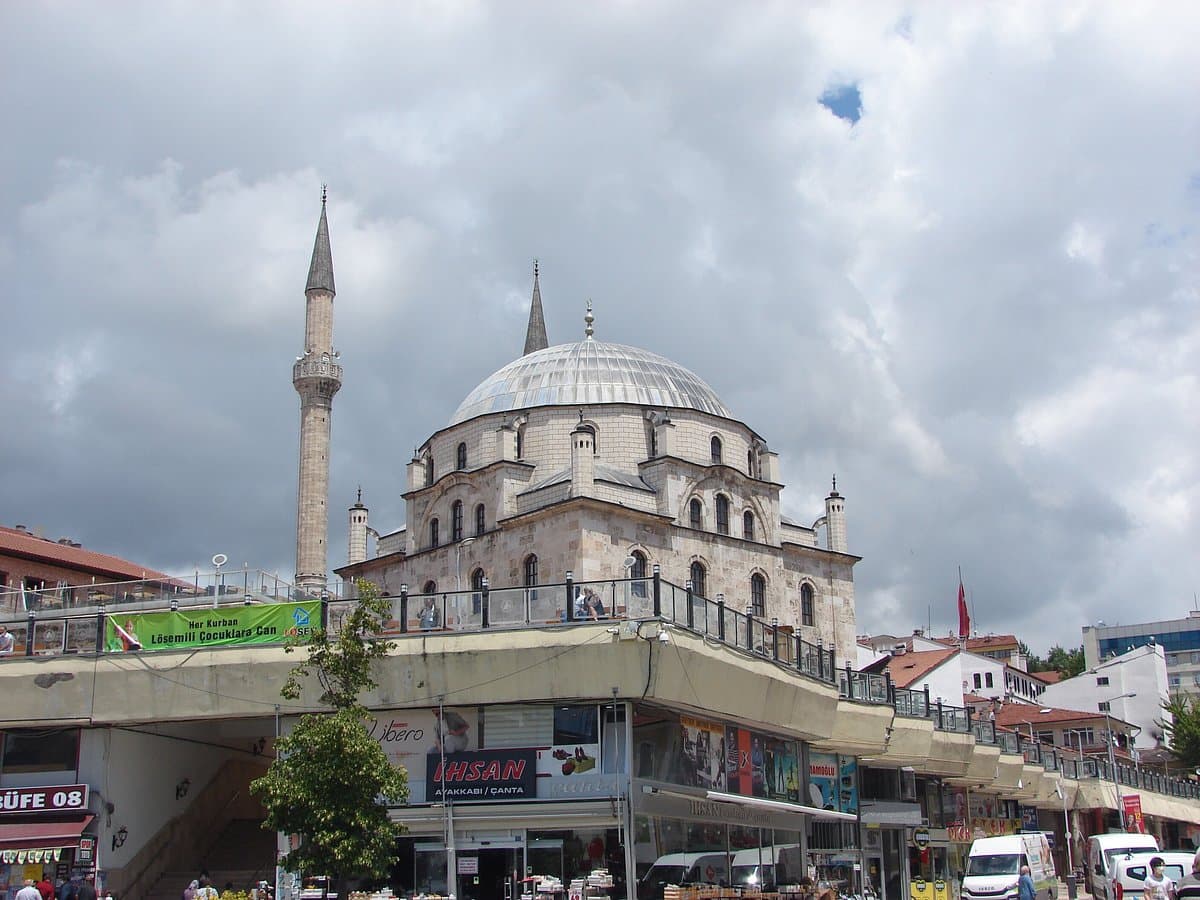
The Yıldırım Bayezit Mosque, also known as the Great Mosque of Bolu, is a significant historical and religious site dating back to the early Ottoman period. Commissioned by Sultan Bayezid I (Yıldırım Bayezit) in the late 14th century, it stands as one of the oldest and most important examples of Ottoman mosque architecture in the region. Its historical context and architectural style make it a valuable stop for those interested in the foundational era of the Ottoman Empire.
Visitors consistently praise the mosque for its serene and spiritual ambiance. Many reviewers highlight the sense of peace found within its walls, describing it as a quiet retreat from the bustling city. The architecture, though not as grand as some later Ottoman mosques, is appreciated for its historical authenticity and simplicity. Reviewers often mention the well-maintained interior and the respectful atmosphere, making it suitable for quiet contemplation and prayer. Some visitors note the opportunity to observe local religious practices, which adds to the cultural experience.
To fully appreciate the mosque, visitors typically spend about 30 minutes to an hour exploring the interior and exterior. It is best visited during daylight hours, outside of prayer times, to allow for respectful observation without disturbance. As a place of worship, modest dress is required; women should cover their heads, and shoulders and knees should be covered for all visitors. Bringing a scarf for head covering is advisable if you do not have one. There are no specific items to skip, as the entire structure contributes to its historical value.
The Yıldırım Bayezit Mosque is located in the Büyükcami Mahallesi district of Bolu. Its central location makes it easily accessible on foot if you are already exploring the city center. Public transportation options within Bolu, such as local buses or dolmuş (shared taxis), can also take you to the vicinity of the mosque. If driving, parking might be available in nearby streets, but it can be limited, especially during peak hours.
Common complaints are minimal, primarily revolving around the lack of extensive tourist infrastructure or detailed interpretive signs in multiple languages. To mitigate this, consider researching the mosque's history beforehand or hiring a local guide if you desire deeper insights into its significance and architectural details.