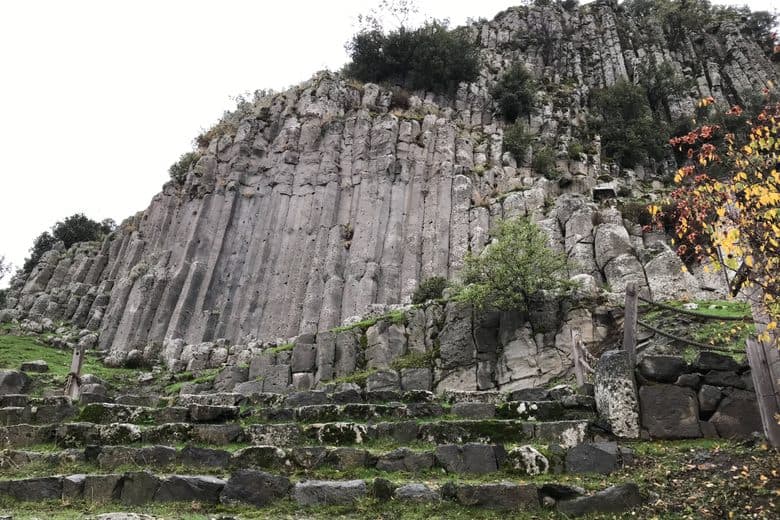
The Kula Volcanic UNESCO Global Geopark, often referred to as the 'Land of Sleeping Volcanoes,' is a remarkable natural wonder in western Turkey. This geopark preserves a haunting volcanic landscape shaped by eruptions thousands of years ago, showcasing the immense power that once reshaped the region. Recognized as a UNESCO Global Geopark since 2013, it offers a unique opportunity to witness geological history firsthand, with its black rock, rust-colored slopes, and scattered vegetation.
Visitors consistently praise the unique, almost otherworldly scenery, describing it as a fascinating departure from typical Turkish landscapes. The opportunity to stand on the rim of a dormant volcano and gaze across a vast ash plain is a highlight for many. Reviewers often mention the peacefulness and solitude of the area, making it an excellent escape for nature lovers and those seeking quiet contemplation. However, some visitors note the lack of extensive tourist infrastructure, which can be a double-edged sword, preserving its natural feel but requiring more self-sufficiency.
For the best experience, plan your visit during autumn or spring. Autumn's muted light creates a moody, mysterious atmosphere, while spring offers clear skies and fresh air, making the distant cones even more striking. Short hikes lead to the volcanic cones, so comfortable walking shoes are essential. Bring water and snacks, as amenities within the geopark are limited. Allow at least 2-3 hours to explore, especially if you plan on hiking to a few different viewpoints. There are no specific entry fees mentioned, suggesting it is freely accessible.
The geopark is located in the Kula district of Manisa and is primarily accessible by car. There is no direct public transport mentioned in reviews or official information, so renting a car or arranging private transportation is recommended. The roads leading to the geopark are generally well-maintained, and short, marked trails guide visitors to the volcanic cones. Parking is usually available near the trailheads.
A common complaint is the lack of detailed signage or interpretive information on-site, which can make it challenging to fully understand the geological significance without prior research. To mitigate this, consider downloading information or a guide about the geopark before your visit. Additionally, while the trails are generally easy, some areas can be uneven, so watch your footing, especially if exploring off the main paths.