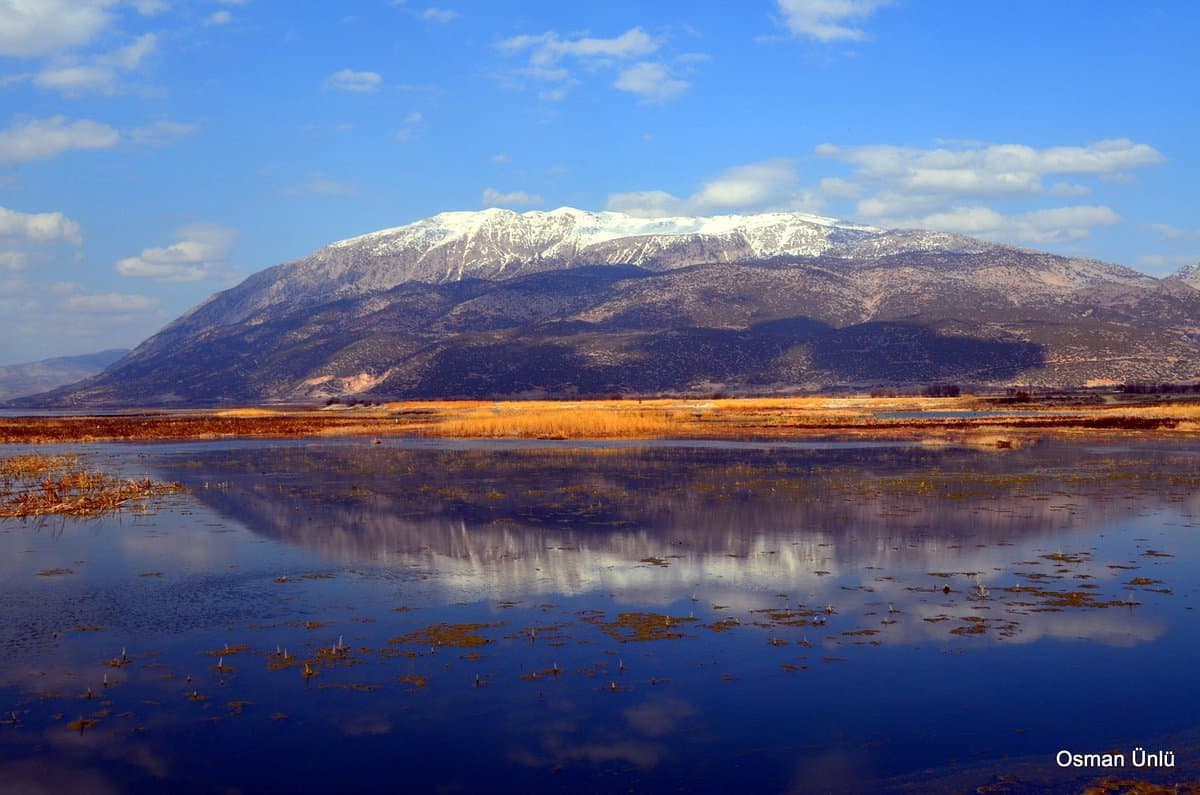
Lake Isikli (Işıklı Gölü) is a dam lake located near the town of Çivril in the Denizli province of Turkey. Known for its natural beauty and diverse ecosystem, it's a significant spot for birdwatching and offers opportunities for fishing. The lake's name, meaning 'lighting lake,' hints at its picturesque qualities, especially during certain times of day.
Visitors consistently praise the lake's natural tranquility and its appeal to nature photographers, with many appreciating the opportunity to observe various bird species, some of which are endangered. The lake is also noted for its fish and lobster, making fishing a popular activity. However, a recurring theme in reviews is the primitive nature of the surrounding restaurants and cafes. Several visitors have expressed disappointment with the quality of service and food at local establishments, with one specific restaurant being singled out for a negative experience regarding both food and service. Another common complaint revolves around the poor condition of access roads, particularly dirt roads leading through forests, which can be confusing and poorly signposted, sometimes leading to dead ends.
To make the most of a visit, it's advisable to bring your own snacks and drinks, especially if you plan to spend a significant amount of time by the lake, as dining options are limited and often receive poor reviews. Allow at least 2-3 hours to enjoy the scenery, birdwatch, or engage in fishing. The best time to visit would likely be during daylight hours, particularly in the morning or late afternoon for optimal photography conditions and bird activity. If considering a boat trip, exercise caution and inquire about prices and conditions beforehand, as some operators have been described as rude or unaccommodating.
Lake Isikli is approximately a 30-minute drive from Çivril town. While specific public transport details are not widely available in reviews, reaching the lake typically requires a private vehicle or taxi. Visitors driving should be prepared for potentially challenging road conditions, especially on unpaved sections. It's recommended to use a reliable navigation system and be aware that signage can be inadequate, particularly on smaller forest roads.
The primary complaints center around the poor quality of local eateries and the difficult, poorly marked access roads. To mitigate these issues, pack your own provisions and rely on GPS for navigation, being prepared for unpaved sections. Avoid making spontaneous dining choices without prior research, and be wary of boat operators who might be uncooperative.