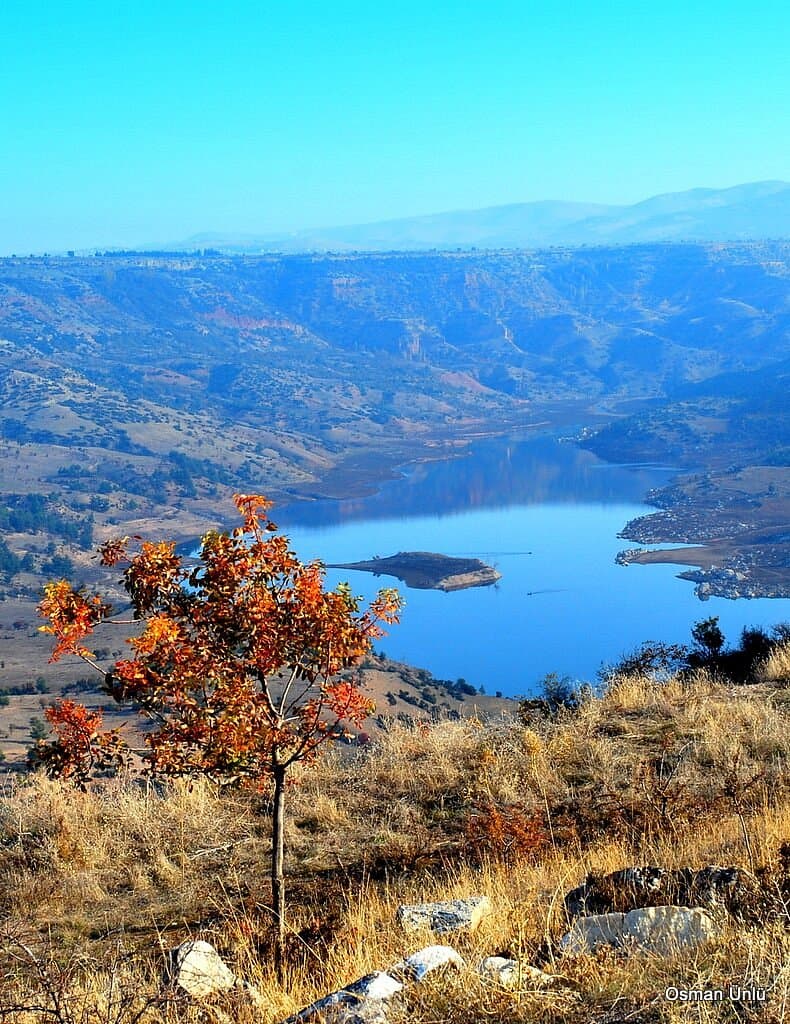
The Temple of Apollo Lairbenos is an ancient sanctuary dedicated to Apollo, located near the modern city of Denizli. This site holds historical importance as it provides insights into the religious life of the Phrygian and Roman periods in Anatolia, particularly the cult of Apollo Lairbenos, a local manifestation of the Greek god. While not as grand or well-preserved as some of Turkey's more famous ruins, it offers a unique opportunity to explore a less-visited archaeological area.
Visitors consistently praise the peaceful and untouched atmosphere of the site, noting its rural charm and the sense of discovery it offers away from crowded tourist spots. Reviewers often highlight the beautiful natural surroundings, making it a pleasant stop for those who appreciate history combined with scenic landscapes. However, some visitors warn that the site is not extensively developed for tourism, meaning facilities are minimal and information signs may be limited.
To make the most of your visit, it's advisable to bring water, snacks, and comfortable walking shoes, as the terrain can be uneven. Allow approximately 1 to 2 hours to explore the ruins and enjoy the surroundings. The best time to visit is during the cooler parts of the day, either early morning or late afternoon, especially during the hot summer months. Since the site is not heavily commercialized, there are no entry fees, making it a budget-friendly historical excursion.
The Temple of Apollo Lairbenos is located in Bahadınlar Mahallesi, near Denizli. Given its rural location, reaching the site typically requires a private vehicle or a taxi. Public transport options directly to the site are generally unavailable. Visitors driving should use GPS coordinates (38.19227, 29.31575) for accurate navigation. Parking is usually informal, along the roadside near the entrance to the site.
A common complaint among visitors is the lack of detailed interpretive signage, which can make it challenging to understand the significance of the various structures without prior research. To mitigate this, consider reading up on the history of Apollo Lairbenos and the Phrygian/Roman periods in the region before your visit. Additionally, the site can be overgrown with vegetation, especially during certain seasons, which might obscure some features; wearing long pants can be helpful.