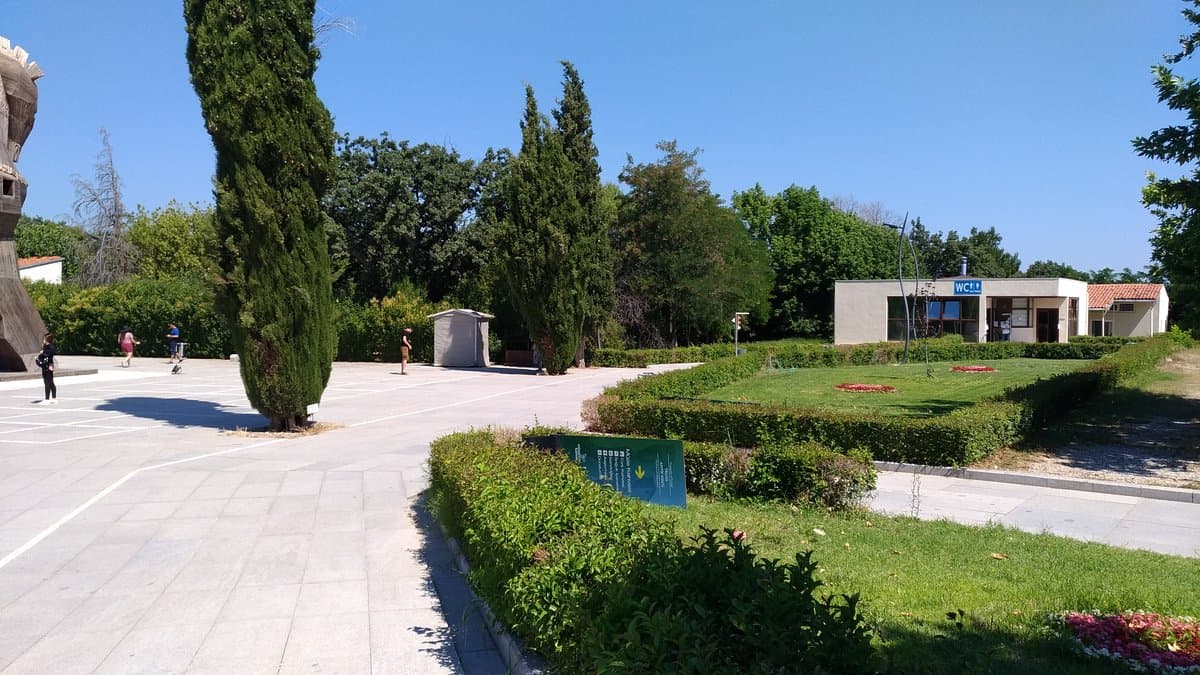
Troya Tarihi Milli Parkı, or Troy Historical National Park, is a UNESCO World Heritage site that preserves not only the legendary city of Troy but also its significant historical and natural surroundings. The park serves as a crucial area for understanding the archaeological layers of Troy, from its earliest settlements to its Roman-era incarnations, and offers insights into the cultural and historical evolution of the region over thousands of years. It's a place where myth and history intertwine, allowing visitors to walk through the very landscapes that inspired Homer's Iliad.
Visitors consistently praise the historical significance of the site and the opportunity to explore the various layers of Troy. Many highlight the well-maintained pathways and informative signage that help contextualize the ruins. Reviewers often recommend combining a visit to the archaeological site with the nearby Troy Museum for a more complete understanding. The sheer scale of history, with evidence of multiple cities built one upon another, is a recurring theme in positive feedback. However, some visitors note that the park's boundaries extend beyond the immediate archaeological area, which can lead to confusion if one expects only the ancient city itself.
To make the most of your visit, allocate at least 2-3 hours for the archaeological site and an additional 1-2 hours for the Troy Museum. Comfortable walking shoes are essential, as you'll be covering uneven terrain. Bringing water, especially during warmer months, is highly recommended, as shade can be limited. Early mornings or late afternoons are ideal to avoid the midday heat and larger crowds. While the park is extensive, focus your time on the main archaeological areas and the museum if your time is limited. Consider hiring a local guide at the entrance; many visitors find their insights invaluable for truly appreciating the complex history.
The park is located near Çanakkale. The most common way to reach the site is by car or taxi from Çanakkale, which is approximately a 30-minute drive. There are also local minibuses (dolmuş) that run from Çanakkale to the Troy archaeological site during peak season, though schedules can be irregular. Parking is available on-site for those driving. For international visitors, Çanakkale can be reached by bus from major Turkish cities or by ferry from Istanbul across the Dardanelles.
A common complaint is the lack of extensive shade, especially during the summer. To mitigate this, plan your visit for cooler parts of the day or bring a hat and sunscreen. Some visitors also express a desire for more interactive exhibits directly at the archaeological site; however, the modern Troy Museum, located very close by, addresses this by providing excellent contextual information and artifacts, making a combined visit highly recommended.