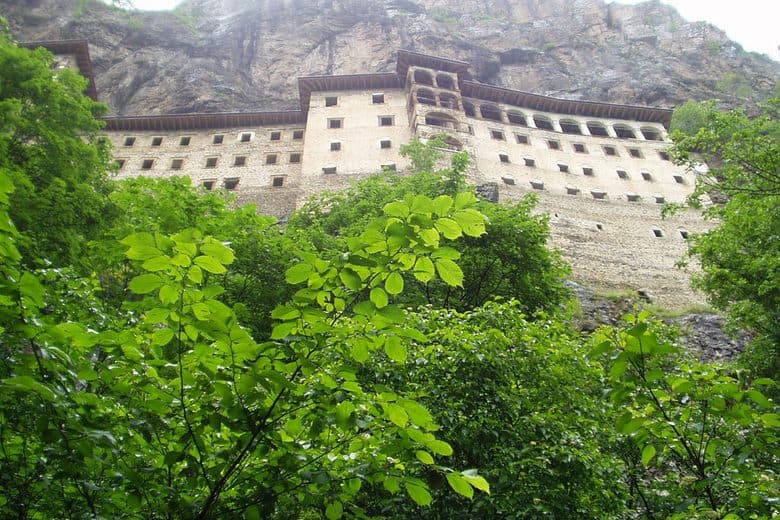
Sumela Monastery, also known as the "Virgin Mary," is an ancient Greek Orthodox monastery founded in 386 AD. It is spectacularly carved into a cliff face within the Altındere Valley, 1,200 meters above the surrounding forest in Turkey's Trabzon Province. This architectural marvel, despite being ruined and repaired numerous times over its 1,800-year history, served as a significant religious center and was even protected by Ottoman sultans. Today, it stands as a testament to enduring faith and human ingenuity, attracting hundreds of thousands of visitors annually.
Visitors consistently praise the monastery's awe-inspiring location and the intricate frescoes that depict biblical scenes and saints, even though some are faded or partially restored. Many reviewers highlight the challenging but rewarding hike to the monastery, emphasizing the stunning panoramic views along the way. The sheer scale of the complex, integrated seamlessly into the rock, leaves a lasting impression. However, some visitors express disappointment with the ongoing restoration work, which can limit access to certain areas or obscure parts of the frescoes.
To make the most of your visit, wear comfortable walking shoes suitable for uneven terrain and bring water, especially during warmer months. An early morning visit is highly recommended to avoid the large crowds that gather later in the day, particularly during peak season and weekends. Allow at least 2-3 hours to explore the monastery complex thoroughly, including the main rock church, chapels, kitchens, student rooms, and the sacred spring. Consider bringing a light jacket as the mountain air can be cooler, even in summer. While there are small shops selling snacks and souvenirs, it's wise to bring your own provisions if you have specific dietary needs.
Reaching Sumela Monastery typically involves a combination of driving and walking. Most visitors arrive by car or organized tour bus from Trabzon. From the main road, there's a parking area, and from there, a shuttle service (often paid separately) takes you part of the way up. The final ascent to the monastery entrance is a steep, approximately 15-20 minute walk through a forested path. Some adventurous visitors choose to walk the entire distance from the main road, which can take significantly longer but offers more opportunities for photography. Public transport directly to the monastery is limited, so a private vehicle, taxi, or tour is generally the most practical option.
A common complaint among visitors is the limited access due to restoration work and the sheer number of tourists, especially during peak times. To mitigate this, plan your visit for a weekday, ideally in the early morning immediately after opening. While the restoration can be inconvenient, it's essential for preserving this historical site; try to view it as an opportunity to witness ongoing conservation efforts rather than a hindrance. Be prepared for crowds and potentially long queues for the shuttle and entrance, and manage your expectations regarding full access to all areas.