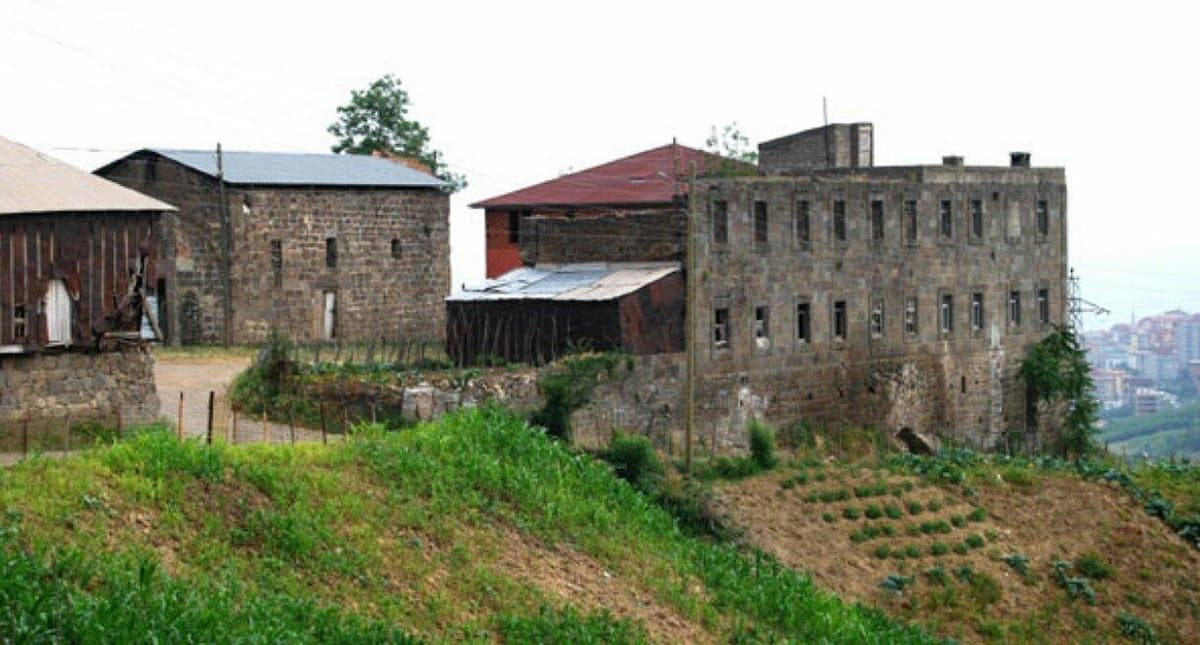
Kaymakli Monastery, also known as the Monastery of the All-Saviour, is a historical religious community dating back to at least the 15th century. It served as a significant Christian site until 1923. While the interior is often inaccessible, the monastery's historical significance and its elevated position offer a unique perspective on the region's past and its connection to the broader historical narrative of Trabzon.
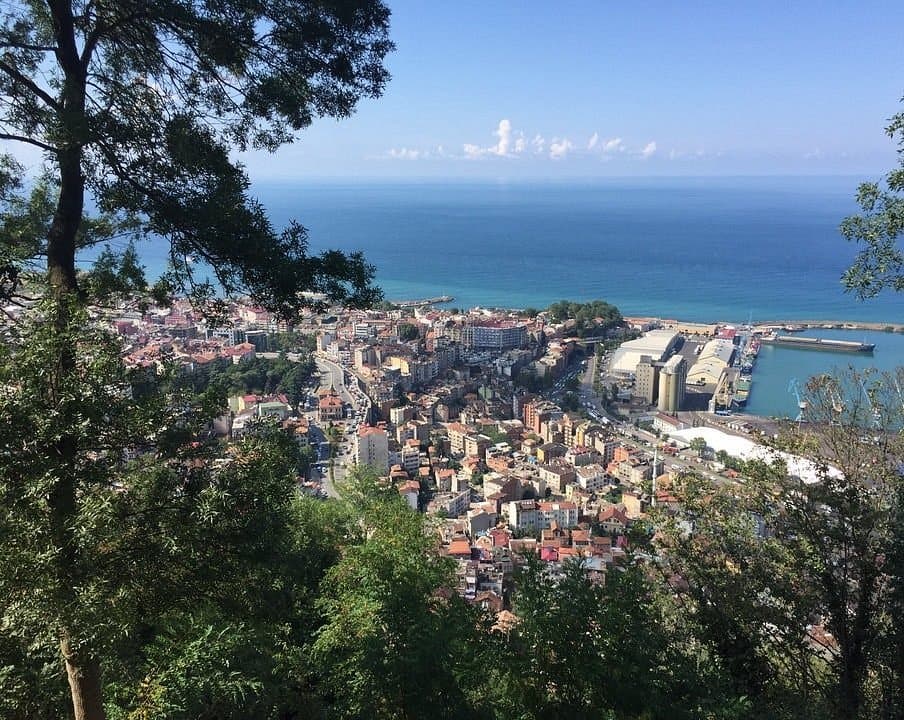
Visitors consistently praise the beautiful, albeit challenging, location high in the mountains behind the city, which provides good views of Trabzon. Those interested in history find value in understanding the region's past through this site. However, a recurring complaint is the difficulty in finding and accessing the monastery. Reviewers mention poor road conditions, the need for multiple navigation apps, and the site being "out of the way." Some visitors have also encountered situations where a local resident requested a fee to open the door to the interior, which is not an official entry procedure.
For a visit, comfortable shoes are essential due to the very steep path and numerous steps leading up to the monastery. It is not recommended for individuals with breathing or mobility problems. Plan to spend about an hour exploring the exterior and enjoying the views. It's best to visit during daylight hours to navigate the challenging terrain safely. Bring water and snacks, as there are no facilities on site. To avoid potential issues with unofficial fees, be aware that the interior is generally not officially open to the public.
Reaching Kaymakli Monastery can be a significant challenge. Reviewers strongly advise against relying solely on older navigation systems or even TripAdvisor's map, recommending Google Maps for better accuracy. The monastery is located in the village of Kaymakli, near Boztepe. Given the poor road conditions and remote location, driving or taking a taxi is the most practical, though potentially difficult, option. Public transport is not a viable means of access. Be prepared for a drive through rural areas and potentially unpaved or poorly maintained roads.
The primary complaints revolve around the difficult access, the site being hard to find, and the interior often being closed. To mitigate these issues, use up-to-date navigation, preferably Google Maps, and be prepared for a challenging drive. Understand that the main experience will likely be the exterior and the views, rather than an interior exploration. If the interior is closed, do not engage with individuals requesting unofficial fees for access.