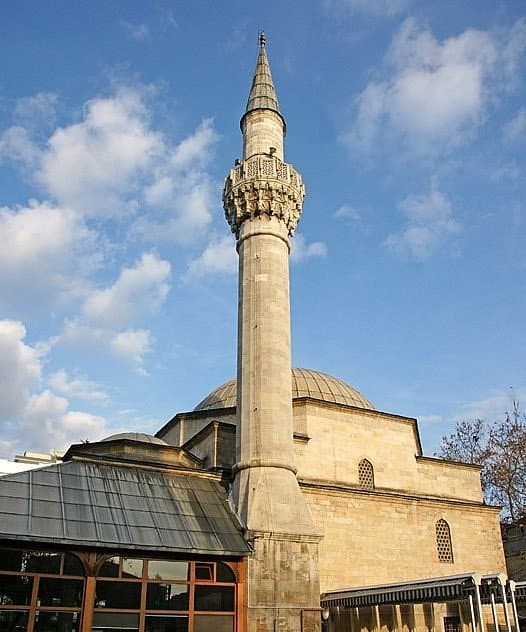
The Çorlu Süleymaniye Mosque, built in the 16th century by the renowned Ottoman architect Mimar Sinan, stands as a significant example of classical Ottoman architecture. Commissioned by Sultan Suleiman the Magnificent, it reflects the grandeur and artistic prowess of its era. While not as famous as its namesake in Istanbul, this mosque in Çorlu offers a more intimate and less crowded experience of Sinan's work.
Visitors consistently praise the mosque's peaceful and serene atmosphere, often noting it as a quiet sanctuary away from the city's hustle. The interior, though modest, is appreciated for its well-maintained condition and traditional design elements. Several reviewers highlight the sense of history and spirituality that permeates the building, making it a worthwhile stop for those seeking a moment of reflection or an appreciation of historical religious sites. The mosque is actively used for worship, which adds to its authentic local feel.
To make the most of your visit, allocate about 30 minutes to an hour to explore the mosque and its surroundings. The best time to visit is during daylight hours, outside of prayer times, to ensure full access and a quieter experience. As with any active place of worship, dress modestly; women should cover their heads, and shoulders and knees should be covered for all visitors. There is no entry fee, making it an accessible cultural experience. Consider combining your visit with other local attractions in Çorlu, as the mosque itself is a relatively quick stop.
The Süleymaniye Mosque is located in the Reşadiye neighborhood of Çorlu. It is easily accessible by local public transport within Çorlu, or by taxi. If driving, there is usually street parking available nearby, though it can be limited during peak hours. The mosque is situated within walking distance of some central areas of Çorlu, making it convenient to reach on foot if you are already in the vicinity.
Common complaints are few, primarily stemming from its relatively small size and lack of extensive tourist facilities compared to larger, more famous mosques. Some visitors might find the information available on-site limited, so it's advisable to do a little research beforehand if you want detailed historical context. To mitigate this, consider using a local guide or an audio guide app if you desire deeper insights into its history and architecture.