The Göğceli Mosque, also known as the Historical Nail-Free Wooden Mosque, is an extraordinary example of Anatolian Seljuk and early Ottoman wooden architecture. Dating back to 1206, its most striking feature is its construction entirely from interlocked wooden planks, without the use of a single nail. This ancient technique, known as kündekari, allowed the structure to flex and withstand earthquakes and the elements for over 800 years, a testament to its ingenious design.
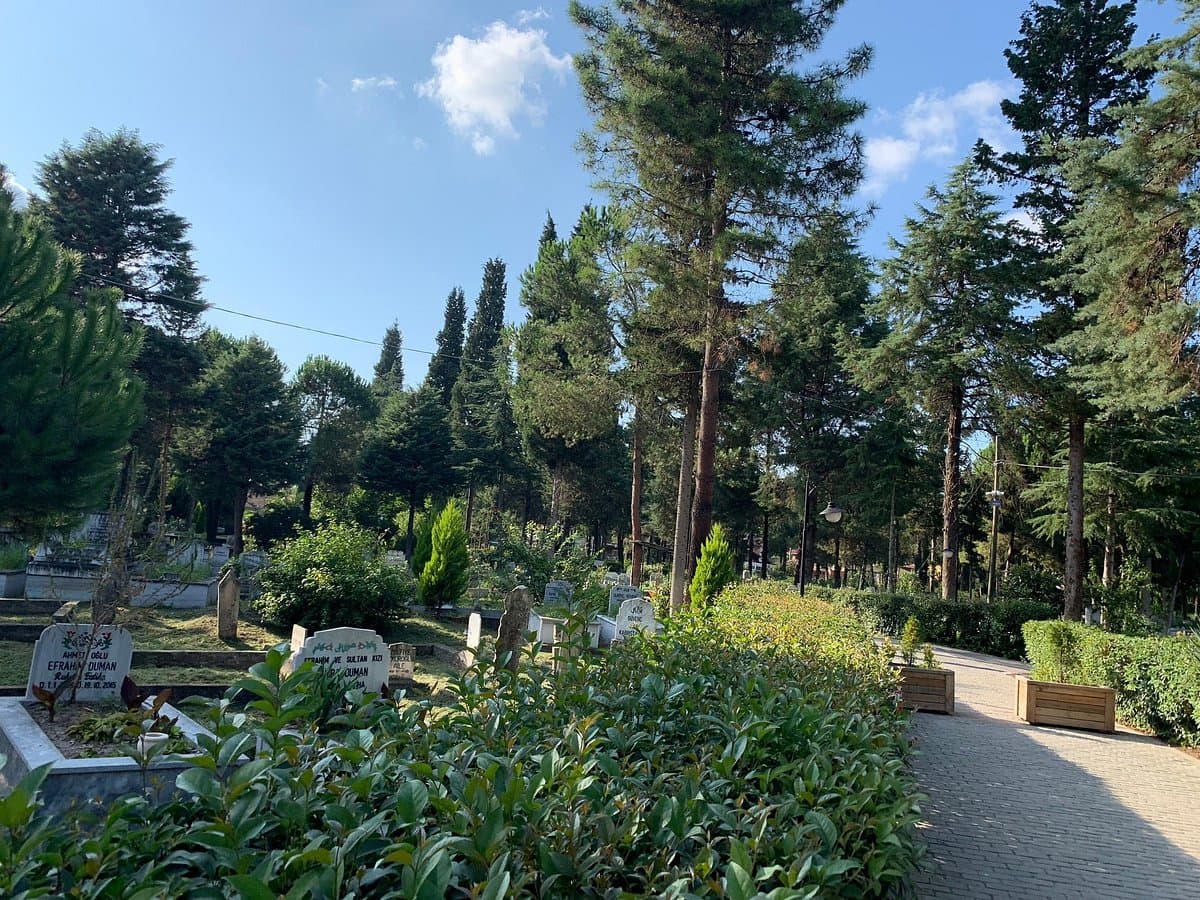
Visitors consistently praise the mosque's unique construction and historical significance. Many are amazed by the fact that such a complex structure could be built without metal fasteners. Reviewers also highlight the unusual Seljuk and Ottoman decorations found on the ceiling, which differ from typical mosque ornamentation. Its location within a cemetery is also noted as uncommon, adding to its distinctive character. The absence of a minaret is another feature that sets it apart from more conventional mosques.
To fully appreciate the craftsmanship, visitors should allocate about an hour. It's best visited during daylight hours to see the intricate wooden details and ceiling decorations clearly. There are no specific items to bring, but comfortable shoes are always advisable for exploring historical sites. As it is a place of worship, modest dress is appropriate.
The mosque is located within the Göğceli Cemetery in Çarşamba, Samsun. While specific public transport details are not widely available in reviews, Çarşamba is accessible by local buses or dolmuş from Samsun city center. From Çarşamba, a short taxi ride or walk would likely be required to reach the cemetery. Driving is also an option, and parking should be available near the cemetery entrance.
Common complaints are not frequently mentioned, as most visitors are impressed by its unique nature. However, some might find the site relatively small or less grand than other major historical mosques. Managing expectations regarding its scale and focusing on the architectural marvel will enhance the visit.