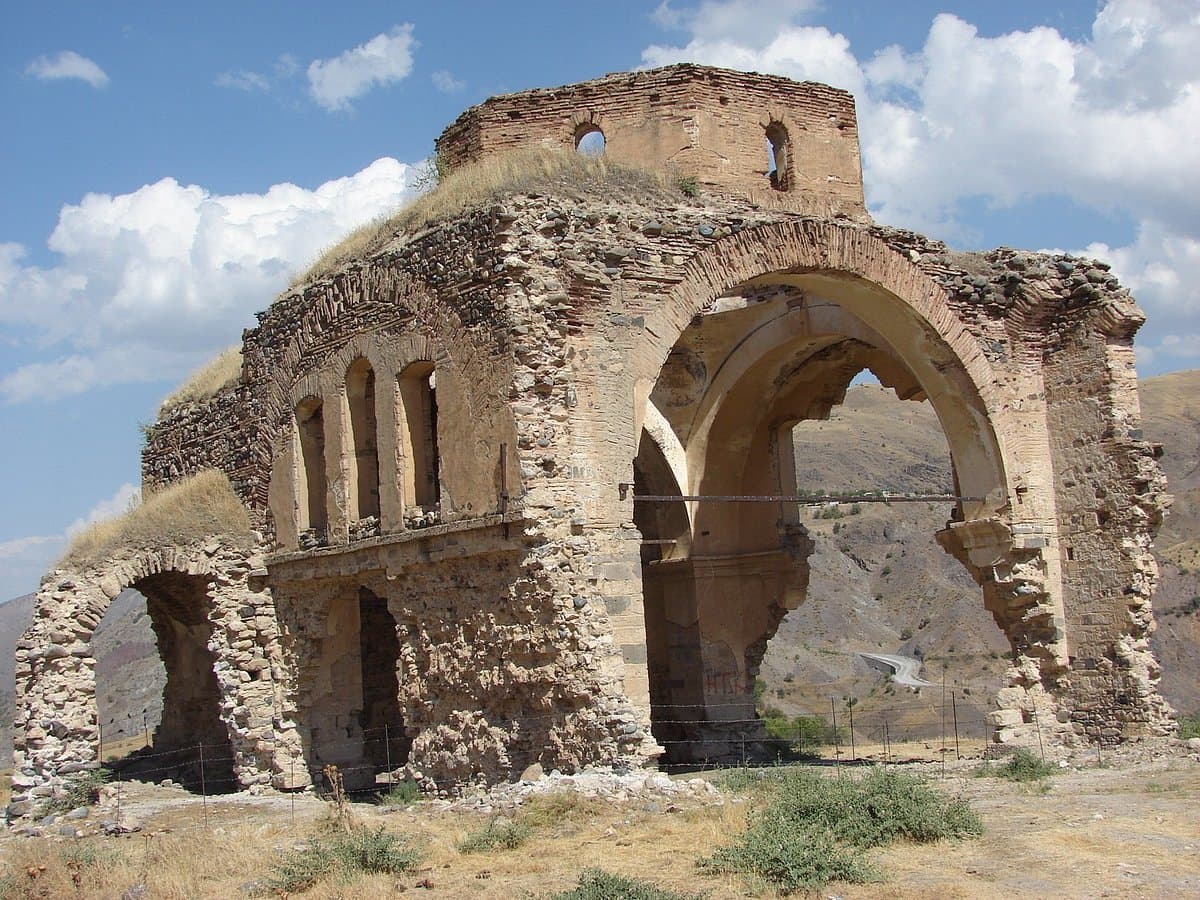
The Palu Surp Lusavoric Church is an Armenian church located in the historic town of Palu, near Elazığ. It stands as a significant architectural and historical monument, representing the long-standing Armenian presence in the region. Its design and construction style are distinctly Armenian, offering insights into the religious and cultural heritage of the area.
Visitors consistently highlight the church's importance as an Armenian historical site, emphasizing its architectural features that distinguish it from Byzantine structures. Reviewers often express a strong connection to the history it represents, particularly in the context of the Armenian community that resided in Palu before 1915. The site is praised for its evocative atmosphere, allowing for reflection on a vanished past.
Given its historical significance, visitors should allocate at least 1-2 hours to explore the church and its surroundings. There are no specific facilities or guides on-site, so it is advisable to bring water, snacks, and any informational materials you might need. The best time to visit would be during daylight hours, preferably in the cooler parts of the day, as the area can get hot. Since it's a historical ruin, comfortable walking shoes are essential.
Reaching the Palu Surp Lusavoric Church requires some effort. While the exact address is listed as Elazığ, the church is specifically in Palu, which is a district of Elazığ Province. Visitors have noted that finding the church can be challenging, suggesting that directions from local sources or cross-referencing with other historical sites like the Palu Ulu Cami (Grand Mosque) might be helpful. Public transport options to Palu itself might be available from Elazığ, but reaching the church within Palu likely requires a taxi or private vehicle. Parking might be informal and limited.
A common complaint among visitors is the difficulty in locating the church and the general lack of signage or interpretive information. To mitigate this, it is highly recommended to research its exact location beforehand, perhaps using satellite maps, and to ask locals for directions upon arrival in Palu. Be prepared for a site that is not heavily developed for tourism.