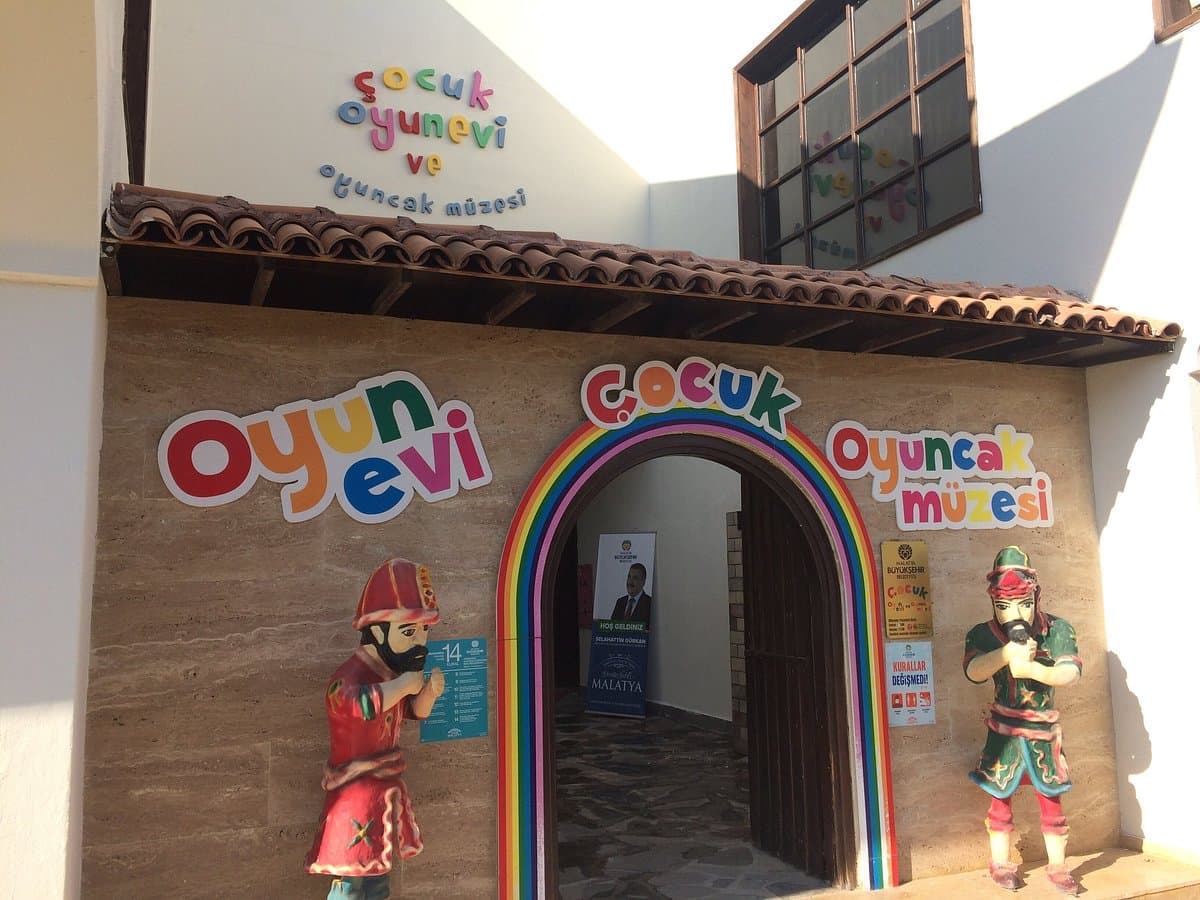
The Oyun Evi Çocuk Oyuncak Müzesi, or Children's Toy Museum, is a charming and relatively small museum dedicated to the history and evolution of toys. It serves as a cultural space where both children and adults can explore a diverse collection of playthings from various periods, offering a glimpse into the past and the changing nature of childhood entertainment. Its significance lies in preserving the heritage of play and providing an educational platform for understanding different cultural contexts through toys.
Visitors consistently praise the museum's ability to evoke nostalgia in adults and spark curiosity in children. Reviewers highlight the well-curated collection, which includes traditional Turkish toys alongside international ones, creating a rich tapestry of play history. The interactive elements, allowing children to touch and play with some exhibits, are frequently mentioned as a major draw, distinguishing it from more static museum experiences. Families particularly appreciate that it offers a hands-on learning environment.
For a visit, plan to spend approximately 1 to 2 hours, which is sufficient to explore the exhibits without rushing. It's best to visit during off-peak hours, such as weekday mornings, to avoid crowds and allow children more space to interact with the displays. Bringing a camera is recommended to capture the unique toys and the children's reactions. There are no specific items to bring beyond personal necessities, but comfortable shoes are always advisable for museum visits.
The museum is located at Şehit İbrahim Tanrıverdi Sanat Sokağı in Malatya. While specific public transport details are not widely available in reviews, being in a city center street suggests it is likely accessible by local buses or taxis. Visitors driving to the museum should inquire about nearby parking options, as street parking might be limited in a central area.
Common complaints are few, primarily revolving around its relatively small size, which some visitors feel limits the depth of the collection. To mitigate this, manage expectations regarding the museum's scale; it is a specialized, local museum rather than a large national institution. Focusing on the quality and historical significance of the individual pieces, rather than the sheer volume, can enhance the experience.