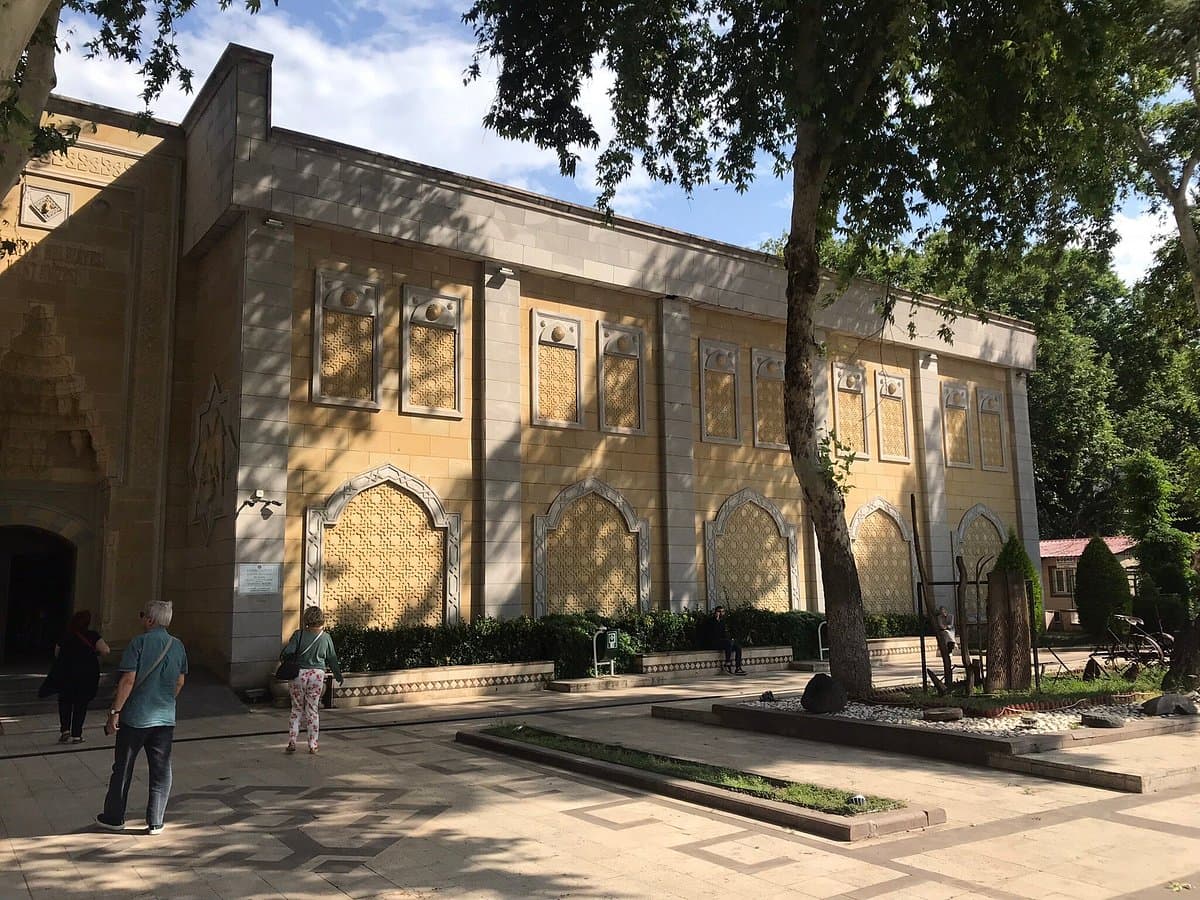
The Osmaniye City Museum serves as a vital repository for the cultural and historical heritage of Osmaniye and its surrounding region. It's a place where the rich tapestry of Anatolian civilization, from its earliest settlements to the Ottoman era and beyond, is preserved and presented. The museum plays a crucial role in educating both locals and visitors about the area's significant past, making it a key institution for understanding the identity of Osmaniye.
Visitors consistently praise the museum for its clean, well-maintained environment and the logical flow of its exhibits. Many reviewers highlight the diverse collection, which includes archaeological artifacts, traditional costumes, household items, and agricultural tools, offering a comprehensive look at local life through different periods. The displays are often noted for being informative, with clear explanations that help contextualize the items. Some visitors particularly enjoy the ethnographic section, finding it a fascinating glimpse into the daily lives and customs of past generations in Osmaniye.
To make the most of your visit, plan to spend approximately 1 to 2 hours exploring the museum. It's generally recommended to visit during the cooler parts of the day, especially in summer, as the museum provides a comfortable indoor activity. There are no specific items to bring, but a camera might be useful for capturing some of the exhibits (check for any photography restrictions). Visitors suggest that while the museum is not large, it is packed with interesting details, so taking your time to read the descriptions is beneficial. There are no common complaints about things to skip, as most exhibits are considered relevant to the overall narrative.
The Osmaniye City Museum is conveniently located at Alibeyli Mh. Park Sokak No:3, Osmaniye. While specific public transport details are not widely available in reviews, its central location within Osmaniye suggests it is easily accessible by local taxis or a short walk from many points within the city center. If driving, inquire locally about parking options, as street parking might be limited in the immediate vicinity.
Common complaints are few, but some visitors occasionally mention that the information provided is primarily in Turkish, which can be a barrier for international tourists. To mitigate this, consider using a translation app on your phone or inquiring if any staff members speak English. Despite this, the visual nature of many exhibits still allows for appreciation even without full comprehension of all textual details.