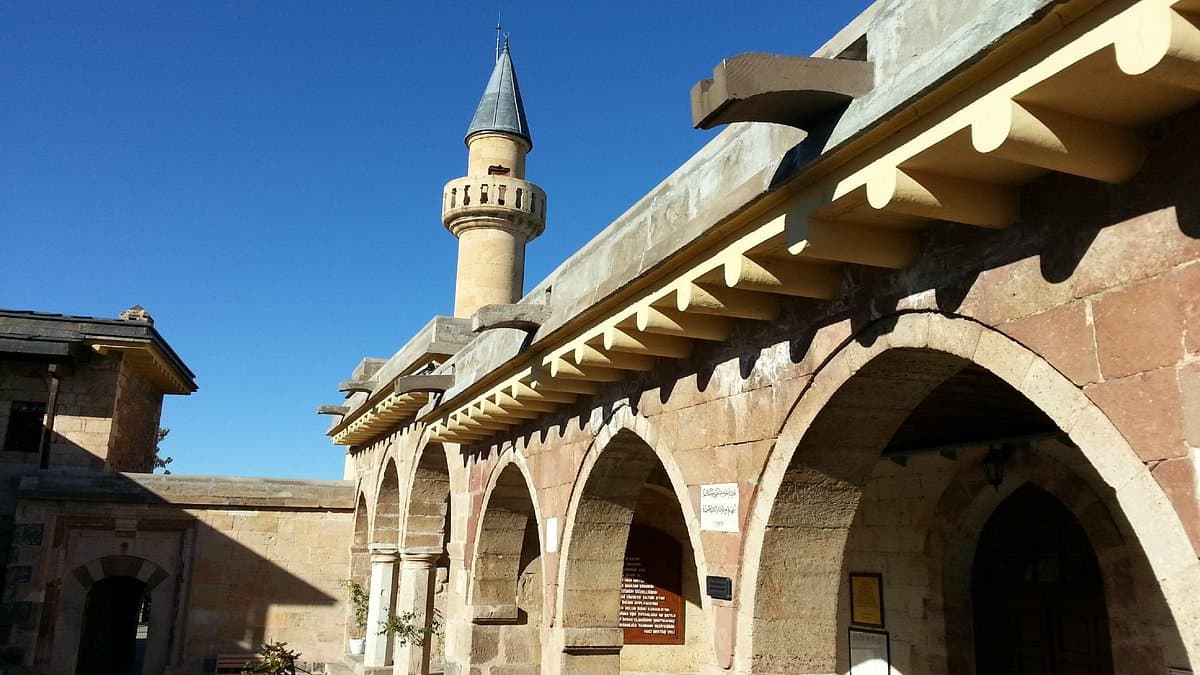
The Haci Bektas Veli Museum is a significant historical and spiritual site, once the headquarters of the Bektashi Order, a Sufi dervish order. It serves as a pilgrimage destination and a museum, preserving the legacy of Haci Bektas Veli, a prominent Islamic philosopher and mystic. The complex includes his tomb, a mosque, communal kitchens, sleeping quarters, and study areas, offering a comprehensive look into the life and philosophy of the Bektashi.
Visitors frequently highlight the profound sense of peace and spiritual tranquility found within the museum complex. Many reviewers describe it as a "must-visit" for those interested in the religious history of Anatolia and Islamic mysticism, noting the well-organized exhibits and informative texts. The site is praised for its cleanliness and tidy gardens, providing a pleasant environment for reflection. Several visitors recommend reading about Haci Bektas Veli's history and philosophy before visiting to enhance the experience and better appreciate the exhibits.
To make the most of your visit, allocate approximately 1 to 2 hours to explore the various rooms and grounds. While entry to the museum is free, there is a small parking fee. It is advisable to visit during cooler parts of the day, especially in summer, as the complex involves some walking between buildings. Reviewers suggest that the experience is particularly enriching for those familiar with or interested in Islamic mysticism and the Bektashi order; otherwise, it might be less engaging for a general tourist. There are gift shops nearby, and drinking fountains are available on site.
The museum is located in the town of Hacıbektaş, Nevşehir. While it is about 45 minutes away from the main Cappadocia region, several visitors mention reaching it as part of a small group tour or by car. Public transport options are less frequently mentioned in reviews, suggesting that a private vehicle or organized tour is the most convenient way to access the site. The address provided is Velbert Cad., Nevşehir, which can be used for navigation.
A common observation from visitors is that if one is not familiar with the Bektashi order or Islamic mysticism, the site might not be as impactful. To mitigate this, it is strongly recommended to do some preliminary research on Haci Bektas Veli and his philosophy. Some visitors also mistakenly expect to see whirling dervishes here, which are primarily associated with Konya; managing this expectation beforehand will prevent disappointment.