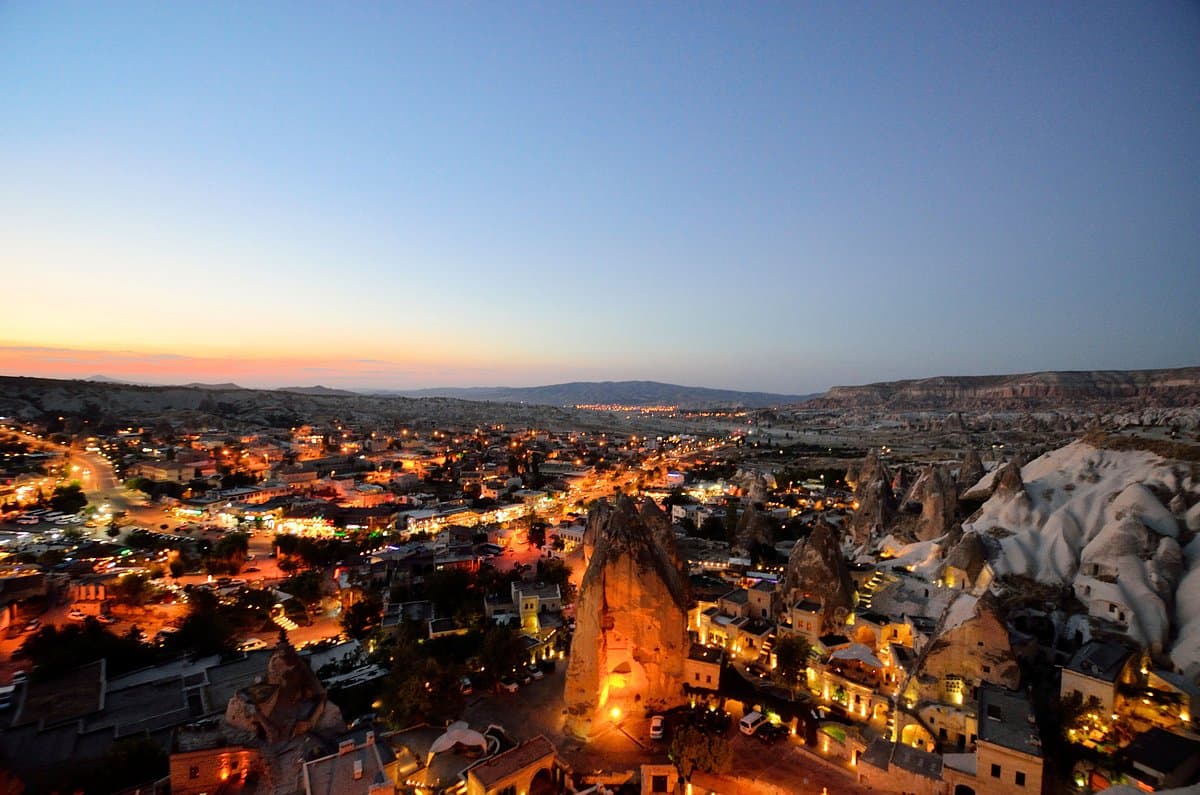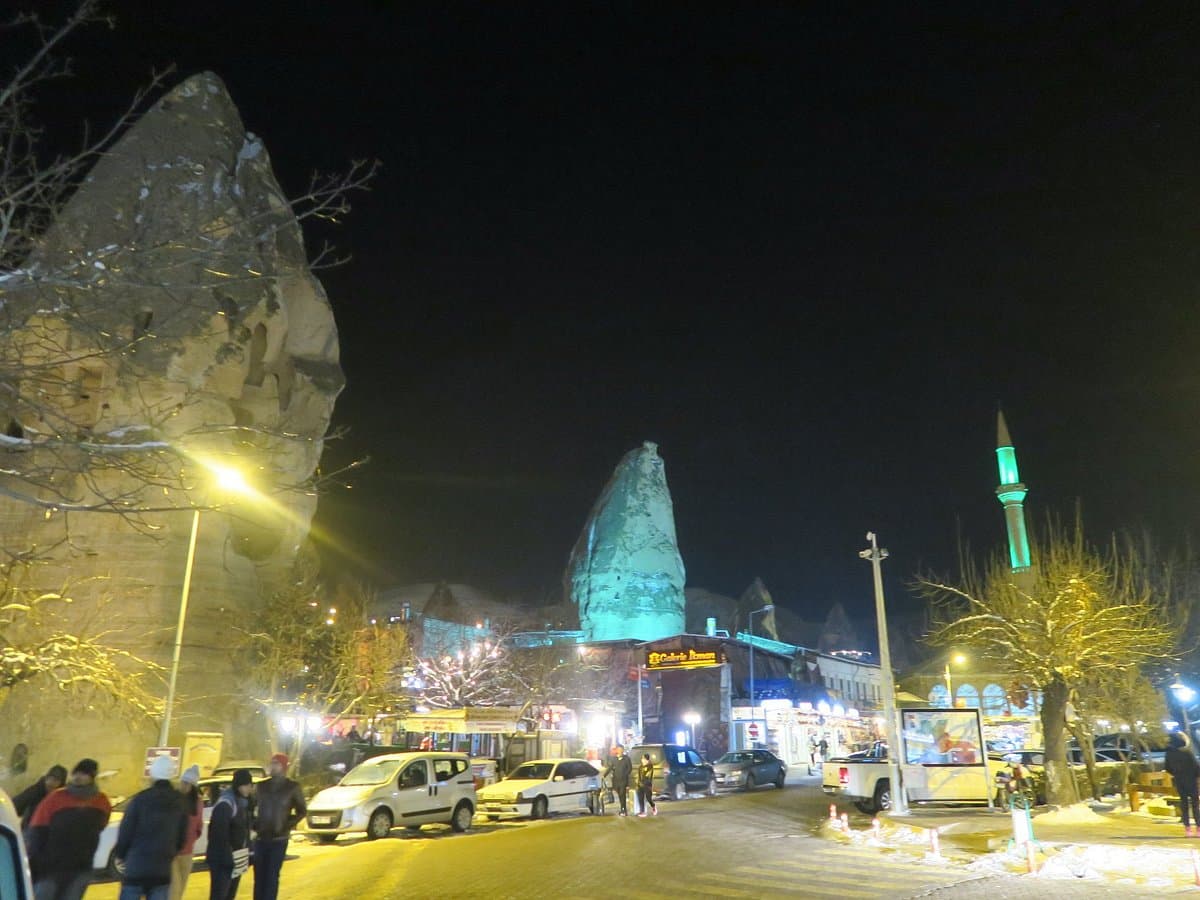
The Göreme Central Mosque, or Göreme Kasabası Merkez Cami, is the primary mosque serving the town of Göreme in Cappadocia. It stands as a central point for the local Muslim community, reflecting the daily rhythm of life in this unique region. Unlike the ancient cave churches or the dramatic fairy chimneys, this mosque represents the contemporary religious and social fabric of Göreme.
Visitors consistently describe the mosque as a peaceful and authentic place. Reviews highlight its simple architecture and the opportunity it provides to observe local customs respectfully. It's not a grand, ornate structure designed for tourism, but rather a functional and well-maintained community hub. Some visitors appreciate the chance to step inside (when appropriate) to experience a moment of local spiritual life, noting the welcoming atmosphere.
For those interested in visiting, it's advisable to dress modestly, covering shoulders and knees, and women should bring a headscarf. Remove your shoes before entering the prayer hall. A brief visit of 10-15 minutes is usually sufficient to appreciate the interior and atmosphere. The best time to visit is outside of prayer times to avoid disturbing worshippers. There are no specific items to bring, but respect and quiet demeanor are paramount.
The mosque is centrally located in Göreme town, making it easily accessible on foot from most hotels and guesthouses. It is situated on İsalı Cd. No:22. As Göreme is a small town, public transport within the town itself is generally not necessary; walking is the most common and convenient way to get around. If arriving from outside Göreme, local dolmuş (minibus) services or taxis will drop you in the town center, from where the mosque is a short walk.
Common complaints are minimal, primarily stemming from tourists expecting a major historical or architectural marvel. It's important to set expectations that this is a local community mosque, not a museum or a grand imperial structure. To mitigate any disappointment, approach the visit with an interest in local culture and daily life rather than as a primary tourist attraction.