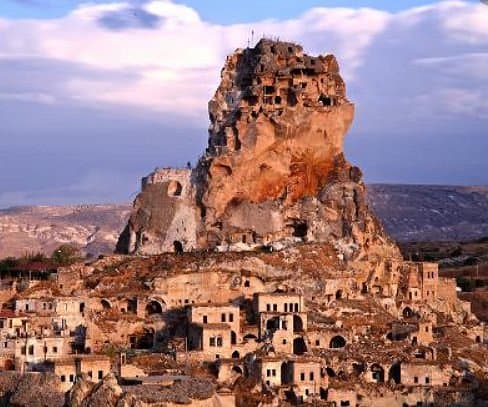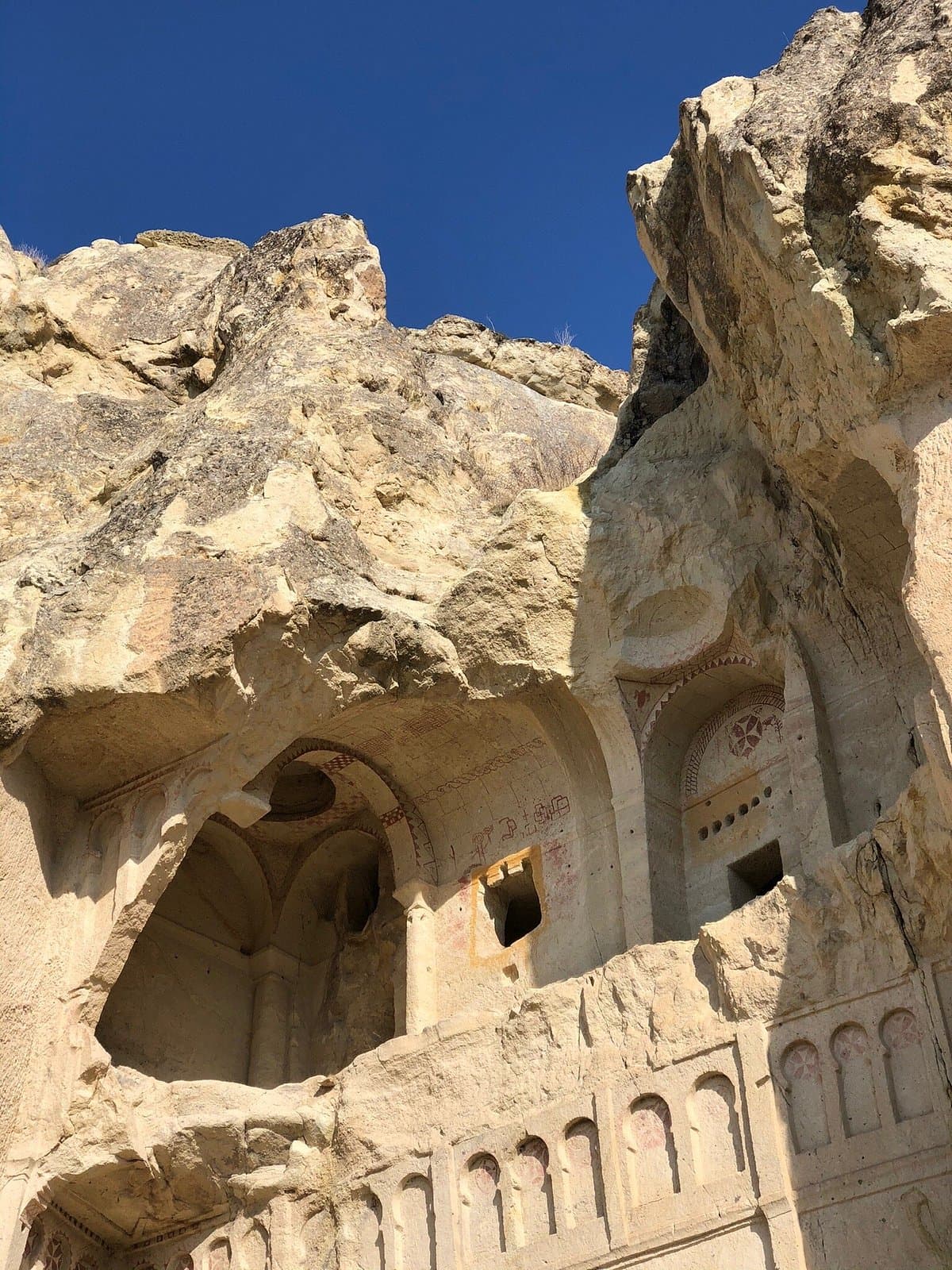
Aynalı Kilise, also known as the Mirror Church, is a fascinating rock-cut church and monastery complex nestled in the Cappadocian landscape. While not as grand or extensively decorated as some of its more famous counterparts, its significance lies in its age, potentially dating back to the Roman period, and its unique architectural layout featuring multiple chambers and interconnected tunnels. It offers a glimpse into the early Christian monastic life and the ingenuity of carving dwellings and places of worship directly into the soft volcanic rock.
Visitors consistently highlight the adventurous aspect of exploring Aynalı Kilise. Unlike the more curated experience at the Göreme Open Air Museum, this site encourages a hands-on exploration. Many reviewers describe feeling like "Indiana Jones" as they crawl through narrow tunnels and climb carved rock staircases. The provided flashlight (torch) is a key element of this experience, illuminating ancient paintings and hidden passages. The less crowded nature of the site is frequently praised, offering a more tranquil and personal encounter with history. While the art might not be as elaborate as in other churches, its raw, ancient quality and the thrill of discovery are what draw visitors.
To make the most of your visit, wear comfortable shoes suitable for climbing and uneven surfaces. A flashlight is typically provided with the entry fee, but bringing your own small headlamp could be beneficial for hands-free exploration. Allow approximately 1-2 hours to fully explore the various chambers and tunnels without rushing. This site is particularly enjoyable for those who appreciate a sense of adventure and don't mind confined spaces. It's best visited during daylight hours to appreciate the surrounding landscape before entering the darker interiors.
Aynalı Kilise is located off the main road between Ürgüp and Nevşehir, not far past the Göreme Open Air Museum. Reviewers mention clear signposts indicating the turn-off, though some note the sign might be a bit further than initially indicated (e.g., 50m vs. a short drive to a car park). It's easily accessible by car, and there's a car park available. Public transport options are less frequently mentioned, so a private vehicle, taxi, or a guided tour is generally recommended for convenience.
The main complaint, though infrequent, relates to the simplicity of the church's art compared to other sites. Visitors expecting highly detailed frescoes might be underwhelmed. However, this can be mitigated by focusing on the unique architectural exploration and the historical context rather than solely on the artistic merit. Those with severe claustrophobia should be aware of the narrow tunnels, though reviewers generally state there's always a way out and the experience is manageable for most.