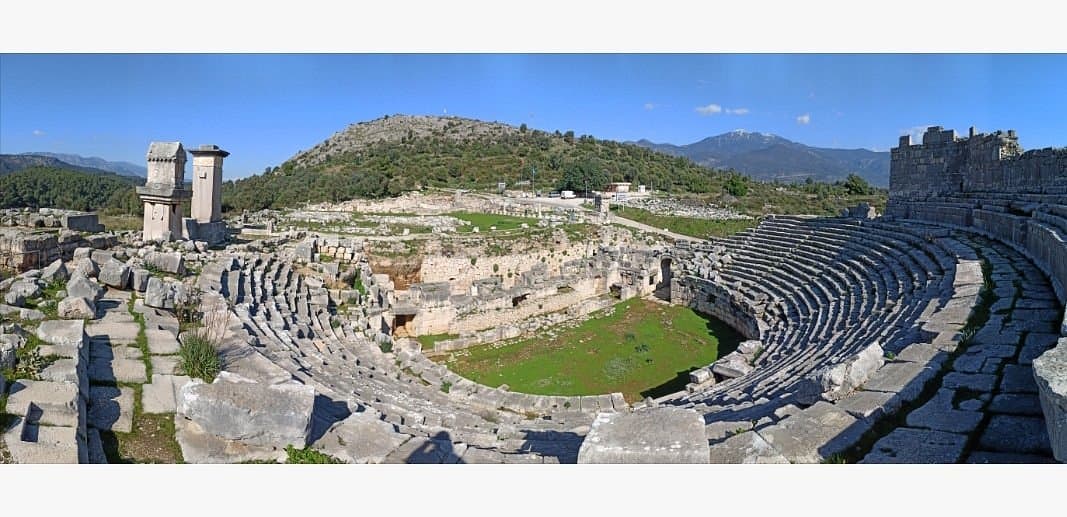
Xanthos Ancient City, the former capital of the Lycian League, is a UNESCO World Heritage site that showcases a rich tapestry of Lycian, Greek, and Roman civilizations. Its historical significance lies in its resilient people, who famously resisted Persian rule, and its unique architectural elements, particularly the distinctive Lycian pillar and rock-cut tombs. The site offers a profound connection to ancient history, allowing visitors to walk through millennia of human endeavor.
Visitors consistently praise the impressive amphitheater, which is often noted for its good condition and the opportunity to sit where ancient spectators once did. The unique Lycian tombs, including the pillar tombs and those carved into cliffs, are another highlight, with many finding them unusual and fascinating. The site's relatively natural and less commercialized state is frequently mentioned as a positive, allowing for a more authentic exploration experience away from large tourist crowds. However, a recurring theme in reviews is the lack of comprehensive signage and information boards, leading many to suggest hiring a guide or bringing a detailed guidebook to fully appreciate the ruins.
To make the most of your visit, allocate 1-2 hours for exploration. Many reviewers recommend visiting in the cooler months or early morning/late afternoon during summer to avoid the intense heat, as the site offers little shade. Bring plenty of water, especially if visiting during warmer periods. Comfortable walking shoes are essential, as paths can be uneven and some areas require light climbing to reach rock tombs. While some visitors mention friendly stray dogs, others note their presence can be a minor nuisance. Be prepared for basic facilities; toilets are sometimes closed, and information is sparse. Combining your visit with nearby Letoon is highly recommended, as the sites are geographically close and historically linked.
Xanthos is located near Kınık village, close to Kalkan and Kaş. Many visitors reach the site by car, noting ample parking. Taxis from Kalkan are a popular option, with drivers often willing to wait while you explore. Some reviewers mention public transport options like buses from Fethiye, followed by a 15-minute walk. If driving, ensure your navigation system points to the correct English version of the site, as some mapping services have had incorrect locations. The site is relatively flat in its main areas, making it accessible, though reaching some rock tombs involves climbing.
The most common complaint is the poor or non-existent signage and information, which can make it challenging to understand the significance of different structures without prior research or a guide. To mitigate this, consider downloading an audio guide, reading up on Xanthos's history beforehand, or hiring a local guide, which several visitors found invaluable. Another minor issue mentioned is the occasional presence of dog excrement; visitors should watch their step. Some also express disappointment that key artifacts are displayed in the British Museum, leaving copies at the site, but this does not detract from the overall historical atmosphere.