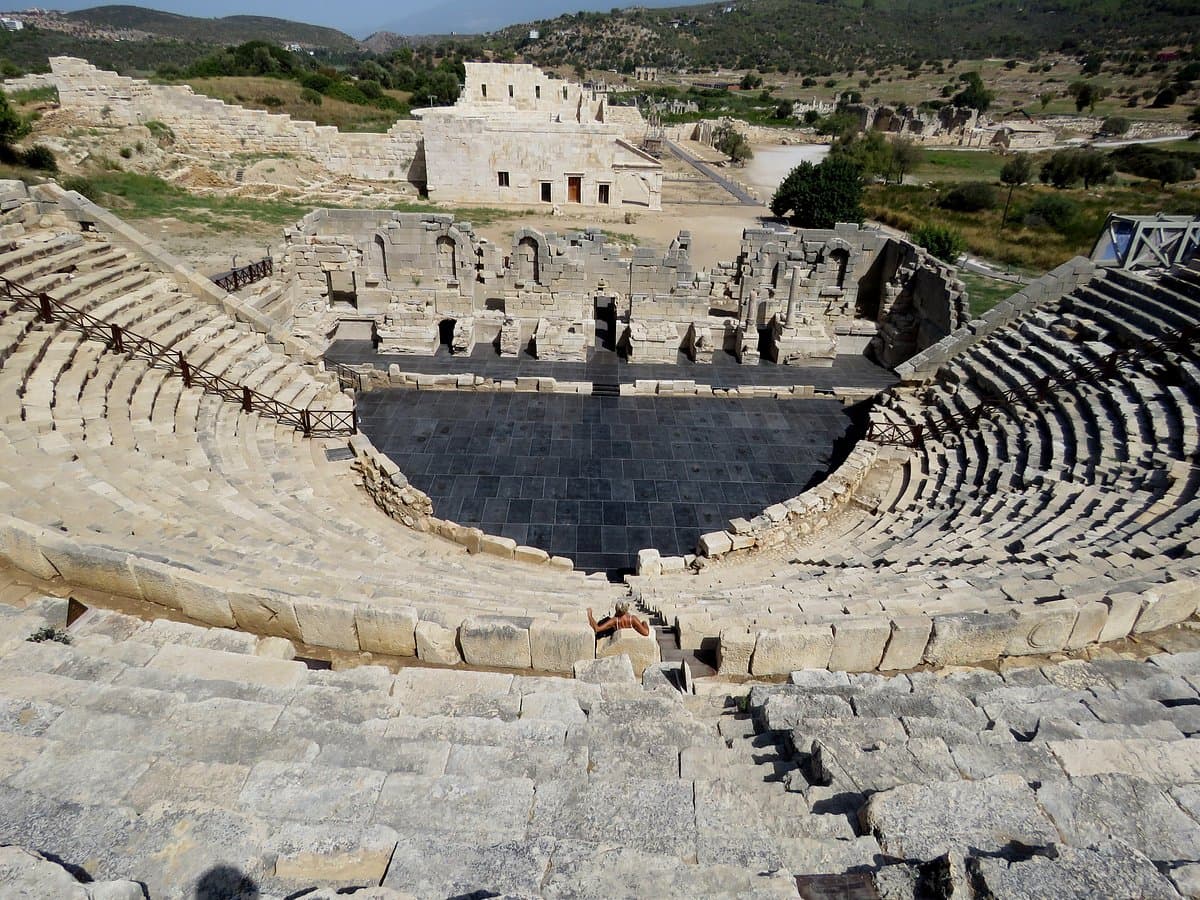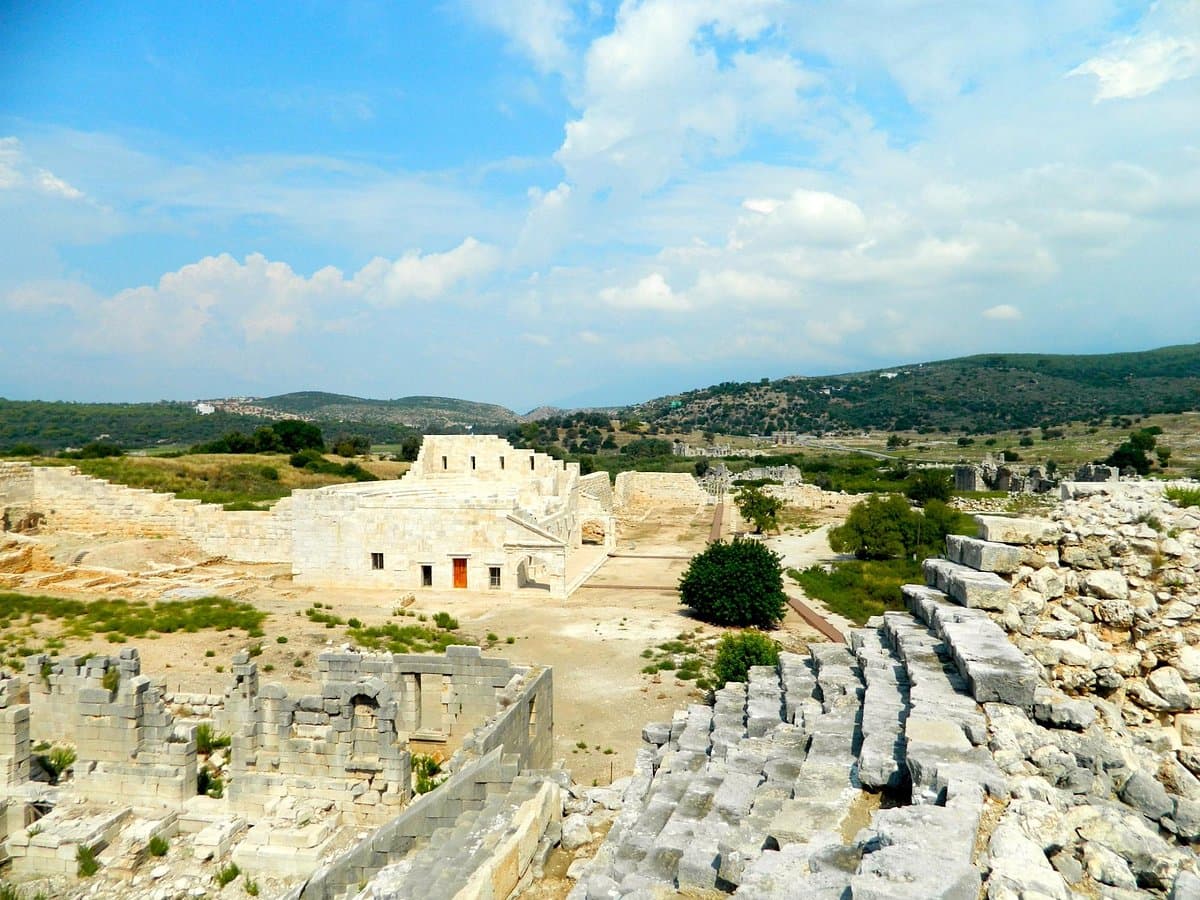
Patara, an ancient Lycian and Roman city, holds immense historical significance as the capital of the Lycian League and a major port. It is also famously known as the birthplace of Saint Nicholas. The site is vast, with ongoing archaeological work continuously revealing new structures and insights into its rich past. Key features include a well-preserved amphitheater, a reconstructed bouleuterion, a monumental triple arch, and a colonnaded street, all offering a glimpse into the daily life and political importance of this ancient metropolis.
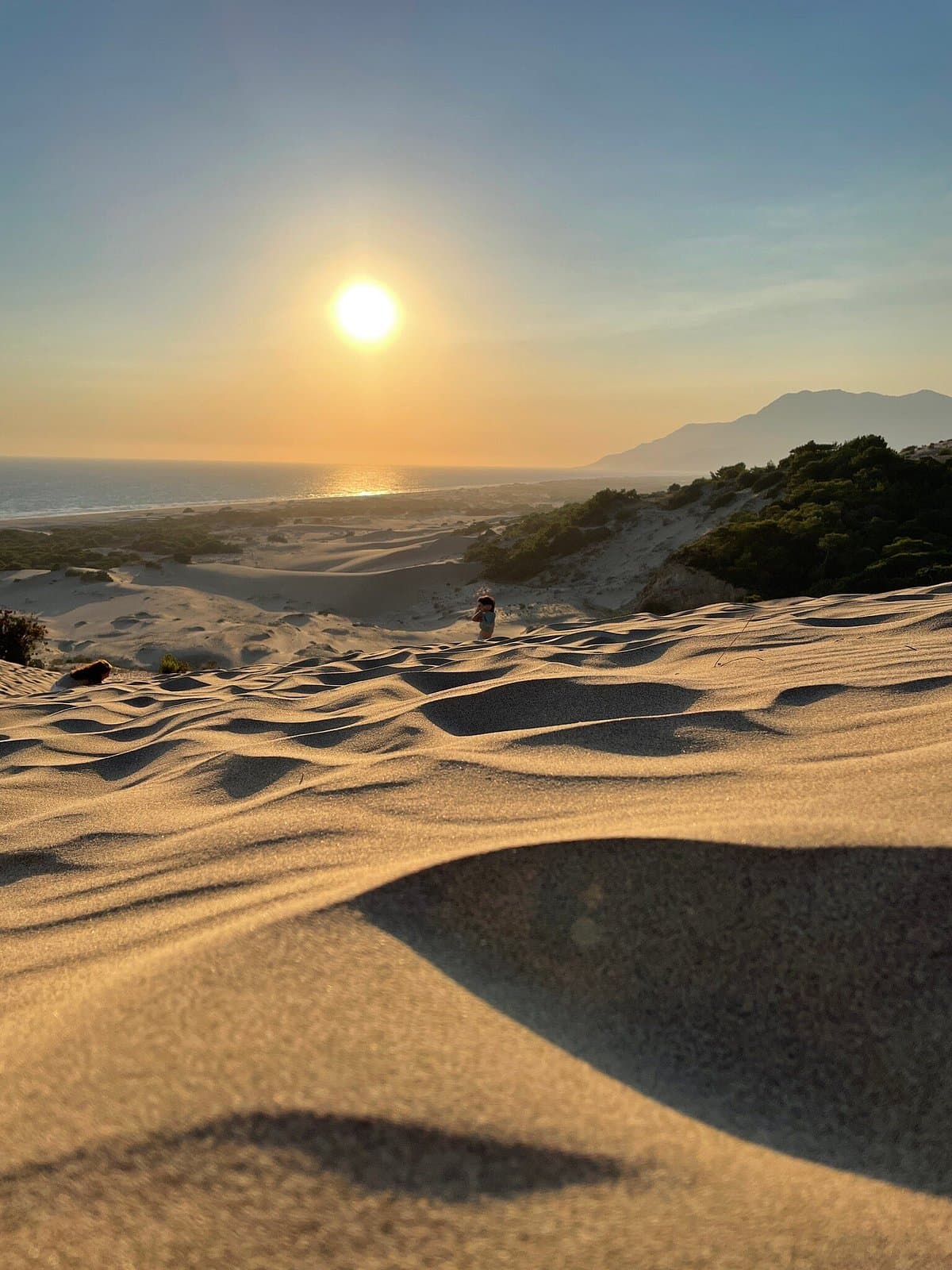
Visitors consistently praise the sheer scale of the ruins and the sense of discovery, with many noting the peaceful atmosphere due to fewer crowds compared to other ancient sites. The amphitheater and the reconstructed parliament building are frequently highlighted as particularly impressive. Many reviewers appreciate the ongoing restoration efforts, which bring the ancient structures to life. However, some visitors express disappointment if they expect fully excavated and meticulously presented ruins, as much of the site is still being uncovered or remains in a more natural state. The combination ticket for the ruins and the nearby Patara Beach is often seen as good value, allowing for a full day of exploration and relaxation.
To make the most of your visit, plan for at least 2-3 hours, especially if you enjoy exploring. Wear comfortable, sturdy shoes as the terrain can be uneven and dusty, and the site is spread out. Given the often intense heat, particularly in summer, bring plenty of water, a hat, and sunscreen. Early mornings or late afternoons are recommended for cooler temperatures and better light for photography. While some areas have informational signs, an audio guide (if available and functional) or prior research can enhance the experience. Several visitors mention a café near the beach entrance where you can get refreshments.
Patara is located near the village of Gelemiş. Access is typically by car or local dolmuş (minibus). There is a dedicated car park at the entrance to the archaeological site. From the car park, you can either walk to the main ruins or continue driving towards the beach, passing more ruins along the way. The site is also accessible for those walking the Lycian Way. Be aware that the entrance fee covers both the ruins and access to Patara Beach, which is located at the end of the road through the site.
A common complaint revolves around the entry fee, with some visitors finding it expensive, especially if they only intend to visit the ruins briefly or feel other sites offer better value. To mitigate this, consider purchasing a Turkish Museum Pass if you plan to visit multiple historical sites across Turkey, as it often includes Patara. Also, be wary of unofficial currency exchange rates or ATM charges in nearby villages, as noted by some reviewers. While the site is vast, some areas are less excavated, which can lead to a perception of "not much there" for those expecting fully restored structures. Focus on the major highlights like the theater and bouleuterion, and appreciate the ongoing archaeological work.