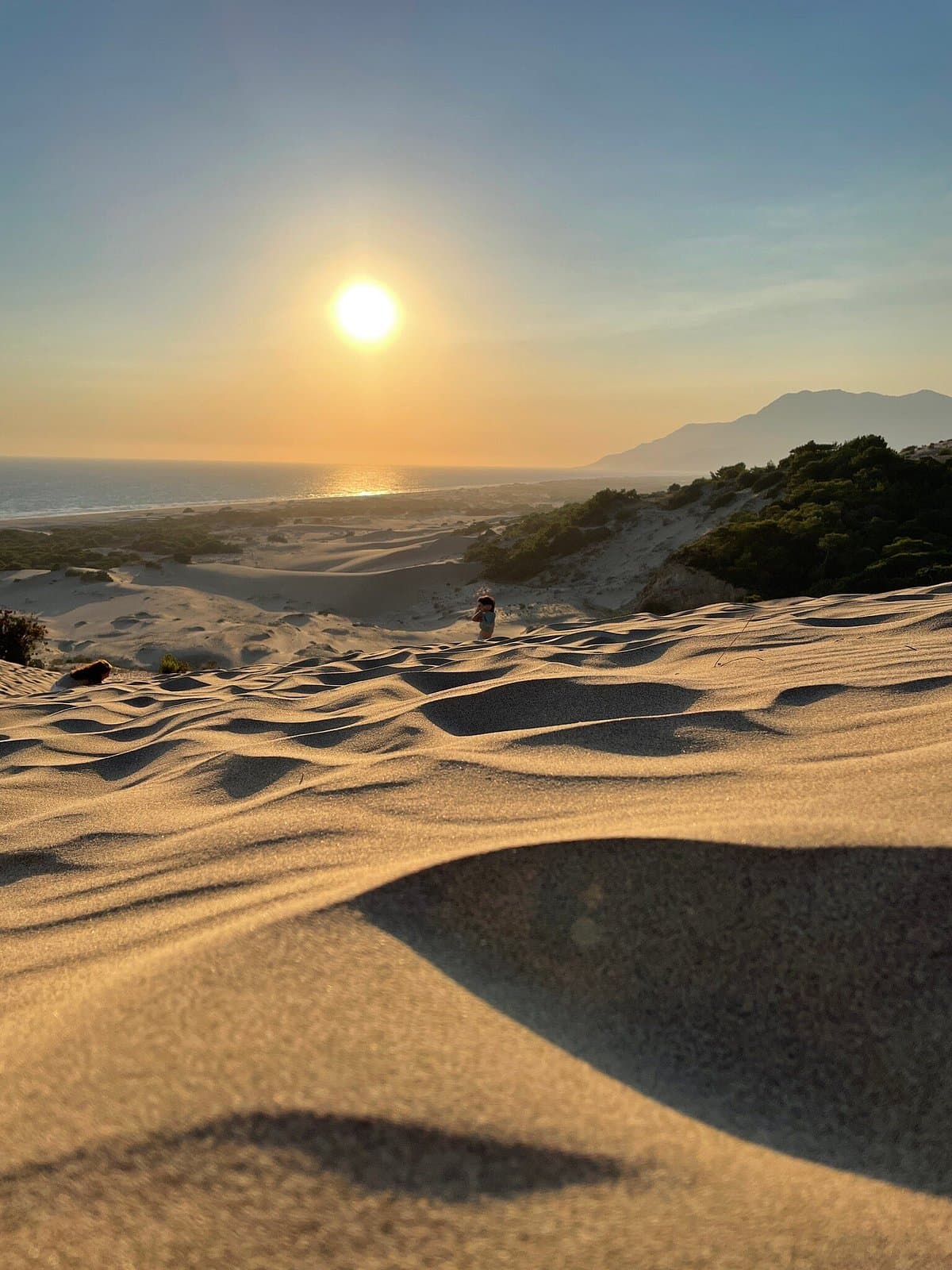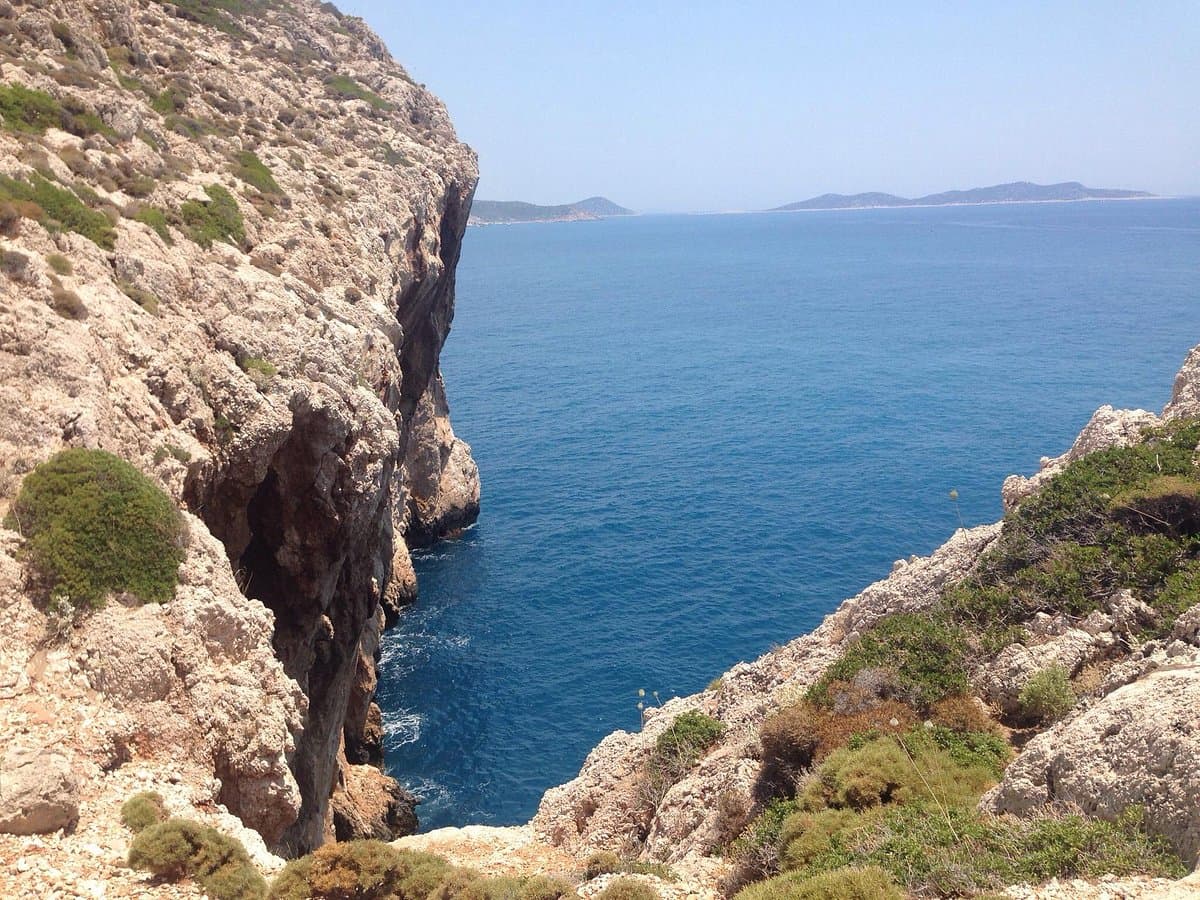
Patara Beach is a remarkably long and wide sandy beach, stretching for approximately 18 kilometers along the Turkish Mediterranean coast. It is part of a national park and an important nesting ground for endangered loggerhead sea turtles (Caretta Caretta), which contributes to its protected status and relatively undeveloped coastline. The beach is also notable for its impressive sand dunes and the adjacent ruins of the ancient Lycian city of Patara, making it a unique combination of natural beauty and historical significance.
Visitors consistently praise the beach's sheer size, allowing for plenty of space even during peak season, and its fine, golden sand. Many highlight the beautiful sunsets and the shallow, warm waters, which are ideal for families with young children. The natural, unspoiled feel of the beach, with its lack of high-rise developments, is a major draw. However, a recurring and significant complaint revolves around the entrance fees. Non-Turkish citizens frequently report being charged significantly higher prices (often €15-€25 per person) compared to locals, and these fees often bundle beach access with entry to the Patara Ancient City, even if visitors only wish to go to the beach. This pricing disparity and lack of clear options for beach-only access lead to feelings of being 'ripped off' or 'scammed' among many international tourists.
Practical advice for visiting Patara Beach includes bringing your own umbrella and towels, as sunbed and umbrella rentals are an additional cost and can be expensive. Reviewers suggest arriving early to secure a good spot and avoid potential traffic queues, especially during midday. While the beach is generally suitable for children due to its shallow entry, the sea can be wavy, which might not be ideal for non-swimmers or very young children. Some visitors recommend wearing socks or comfortable shoes, as the sand can get scorching hot, even in October. If you plan to visit the ancient city, allocate sufficient time, as it is extensive. Consider visiting later in the season (e.g., September/October) for a less crowded experience and potentially more pleasant temperatures.
Access to Patara Beach is typically through the entrance to the Patara Ancient City, located near the village of Gelemiş. There is usually a barrier where fees are collected. While some reviews mention parking is free, others indicate a fee for parking. The beach is a national park, so expect a walk from the parking area to the water's edge. Public transport options are limited, so most visitors arrive by private car, taxi, or organized tour. Be prepared for a potentially long walk from the parking area to the beach itself, especially if you have a lot of gear.
The most common complaints center on the cleanliness of the beach, with many visitors reporting cigarette butts and general litter despite signs prohibiting smoking. The sanitary facilities (showers, toilets) are also frequently described as broken or dirty. To mitigate these issues, bring your own trash bag and consider using facilities before or after your visit. The high entrance fees for foreigners are a significant point of contention; while some visitors find the combined beach and ruins ticket acceptable, many feel it's overpriced if they only want beach access. Be prepared for this cost and decide if the combined value is worth it for you. Some reviewers suggest that the beach management and staff can be unhelpful or rude, so manage expectations regarding service levels.