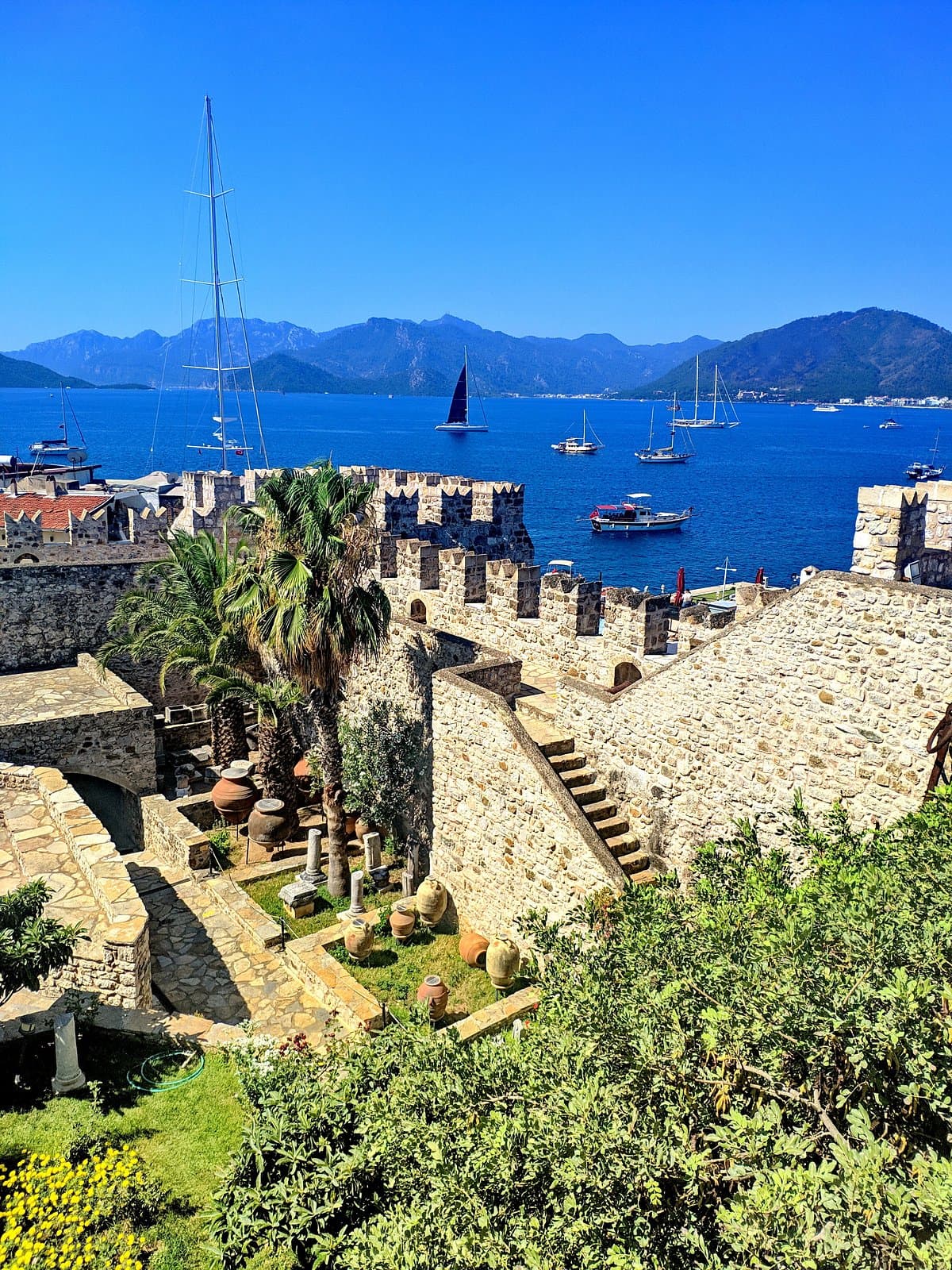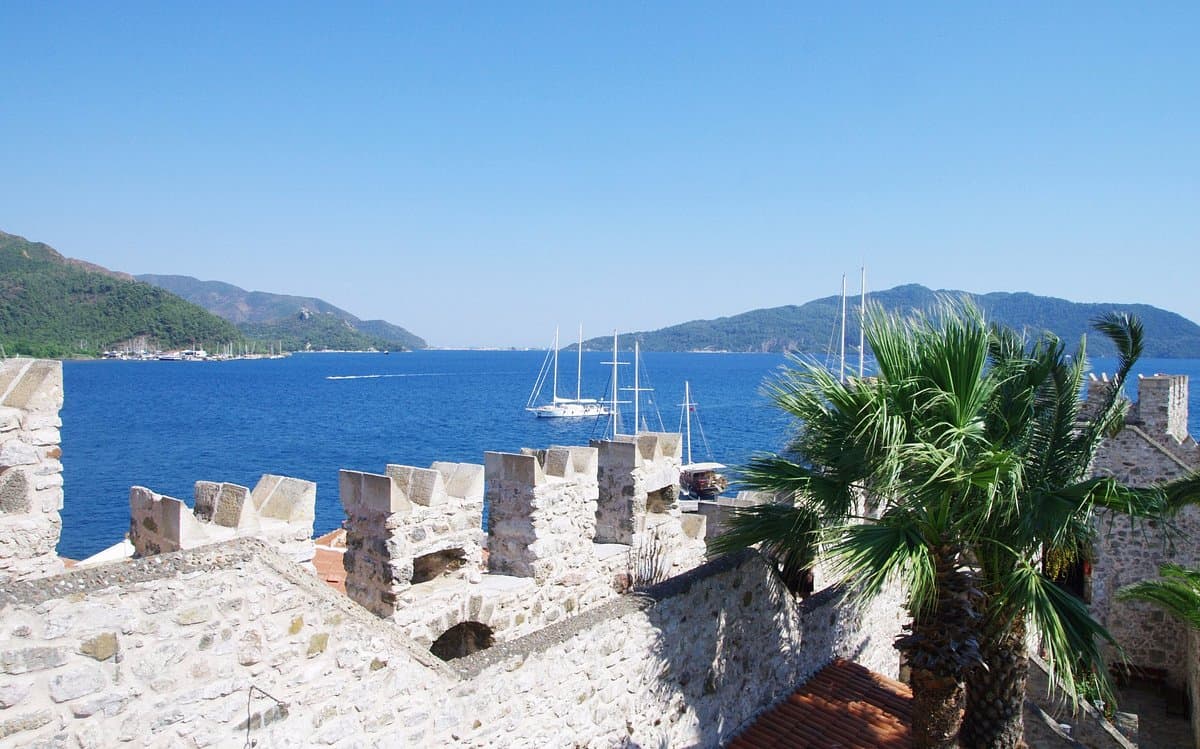
The Marmaris Museum is housed within the historic Marmaris Castle, a structure with roots dating back to ancient times, though largely rebuilt by Suleiman the Magnificent in the 15th century and extensively restored in the 1990s. It serves as the primary cultural attraction in Marmaris, showcasing archaeological finds from the surrounding region, spanning Hellenistic, Roman, Byzantine, and Ottoman periods. The museum itself is relatively small, but its significance lies in its historical setting and the unique perspective it offers on the area's rich past.
Visitors consistently highlight two main aspects: the impressive views and the historical context. The castle's ramparts provide spectacular panoramic vistas of Marmaris Bay, the marina, and the surrounding mountains, making it a prime location for photography. Many reviewers consider the views alone worth the modest entry fee. The museum's exhibits, though described as small by some, feature a variety of artifacts such as pottery, statues, coins, jewelry, and tombstones, often with information boards in both Turkish and English. Reviewers appreciate the well-maintained castle grounds, including colorful gardens, and the opportunity to explore the different rooms.
To make the most of your visit, aim for the early morning to avoid the heat and crowds, especially during the summer months. Many visitors recommend spending 1 to 2 hours exploring the castle and museum. Wear comfortable, sensible shoes as there are numerous steep and uneven steps both within the castle and on the cobbled streets leading up to it. Bringing water is advisable, particularly on hot days. While some rooms offer air conditioning, much of the experience is outdoors. The museum is generally considered good value for money, with a low entry fee.
The Marmaris Museum is situated in the heart of Marmaris's Old Town, just above the marina. It's accessible by walking through the picturesque, narrow, winding cobbled streets of the old quarter. While some visitors found the entrance a bit tricky to locate, asking locals at nearby restaurants can help. If you're coming from further afield, taxis can drop you near the base of the old town, from where it's a short but uphill walk. Parking is limited in the immediate vicinity, so public transport or walking is generally recommended.
A common complaint among visitors is the relatively small size of the museum and the limited number of exhibits, with some feeling it doesn't quite live up to the term "museum" compared to larger institutions. To mitigate this, manage your expectations; view it more as a historical castle with an accompanying small archaeological collection rather than a vast museum. Additionally, the steep steps and cobblestones make it unsuitable for visitors with mobility issues, strollers, or wheelchairs. Security guards are noted for enforcing rules about not touching artifacts or climbing unpermitted areas, so be mindful of signage and instructions.