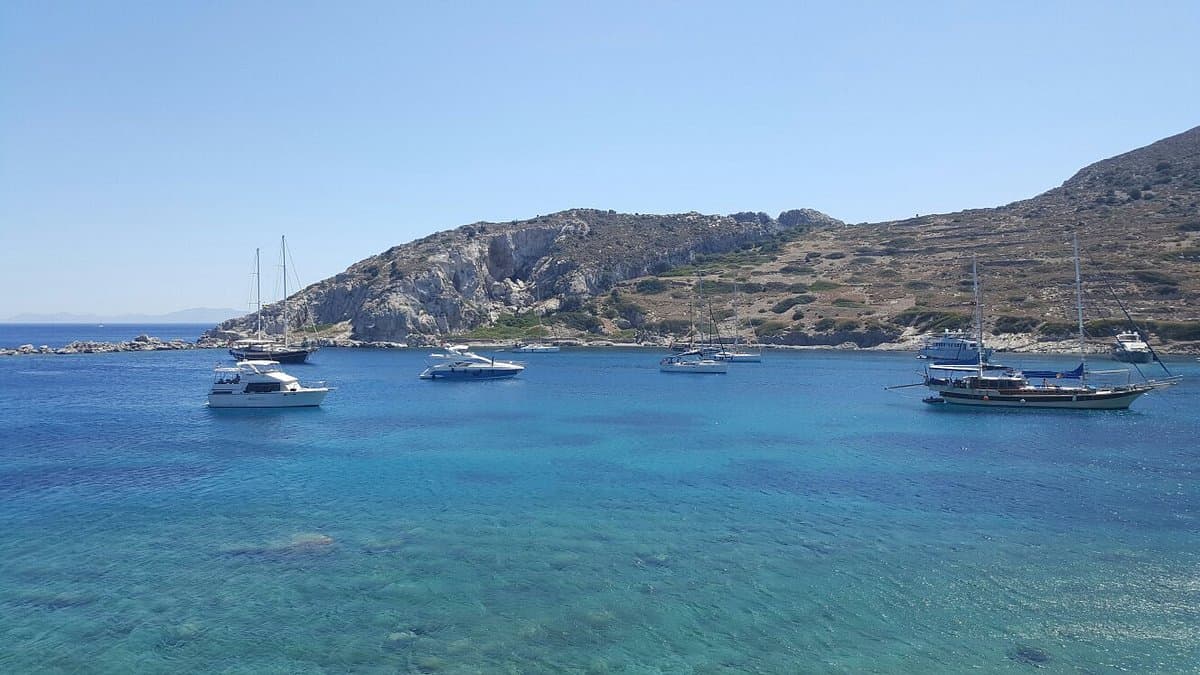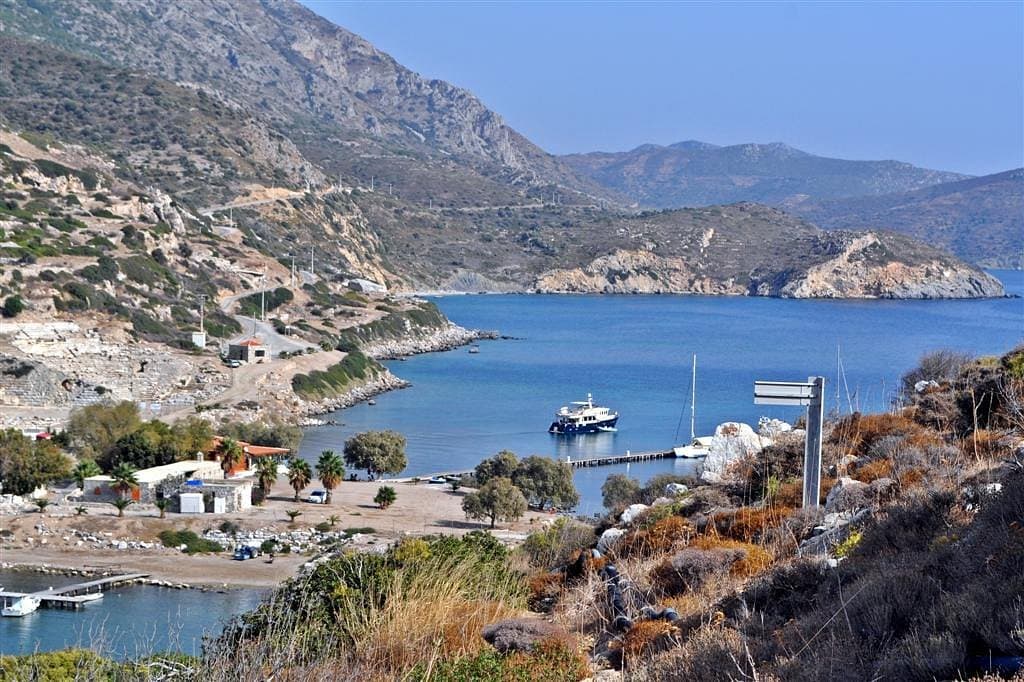
Knidos Ancient City, nestled at the very tip of the Datça Peninsula, is a historically significant Dorian Greek settlement renowned for its strategic coastal position and advanced civilization. Dating back over 2350 years, it was a vital cultural and political hub, part of the Dorian Hexapolis, and controlled ship entry between the Aegean and Mediterranean seas. Today, it offers a unique opportunity to explore extensive ruins in a breathtaking natural setting, far from the crowds of more famous sites.
Visitors consistently praise the stunning natural beauty and panoramic views, especially at sunset, where the Aegean and Mediterranean seas converge. Many highlight the impressive scale of the city, with foundations of temples, a theater, and two distinct harbors. Reviewers often note the ongoing excavations, which mean new areas are continually being uncovered, adding to the sense of discovery. However, some visitors find the site less preserved than other major ancient cities like Ephesus, requiring more imagination to visualize its past grandeur. The clarity and color of the sea around Knidos are also frequently mentioned as a major draw, with opportunities for swimming.
To make the most of your visit, wear comfortable walking shoes, as the site involves slopes and uneven terrain; slippers are strongly advised against. Bring plenty of water and snacks, as food and drink options on-site are limited and can be expensive. The best time to visit is in the late afternoon, around 15:00-16:00, to avoid the intense summer heat and to experience the spectacular sunset. Allocate at least 2-3 hours to explore thoroughly, or even longer if you plan to hike to the lighthouse or swim. A Museum Card grants free entry, otherwise, there's a modest entrance fee. Consider bringing a flashlight if you plan to stay past sunset, as the roads can be dark.
Reaching Knidos requires navigating a narrow, winding road, which many reviewers describe as challenging but scenic. While some find it manageable, others recommend caution, especially with oncoming traffic. Driving from Datça takes about an hour, and from Marmaris, 1.5-2 hours. Alternatively, many visitors opt for boat trips from Datça or Marmaris, which offer a more relaxed journey and the chance to swim in secluded bays. Parking is available on-site for a small fee. Public transport options are limited; some mention a bus, but its schedule might restrict exploration time.
Common complaints include the lack of extensive signage or information boards, making it difficult to understand the ruins without prior research. To mitigate this, read up on Knidos's history before your visit. Some also criticize the high prices at the on-site restaurant; bringing your own provisions is a good way to avoid this. The ongoing restoration work, while beneficial, can sometimes limit access to certain areas or appear aesthetically inconsistent with the ancient ruins. Finally, the intense summer heat is a frequent concern; visiting early morning or late afternoon is crucial to avoid discomfort.