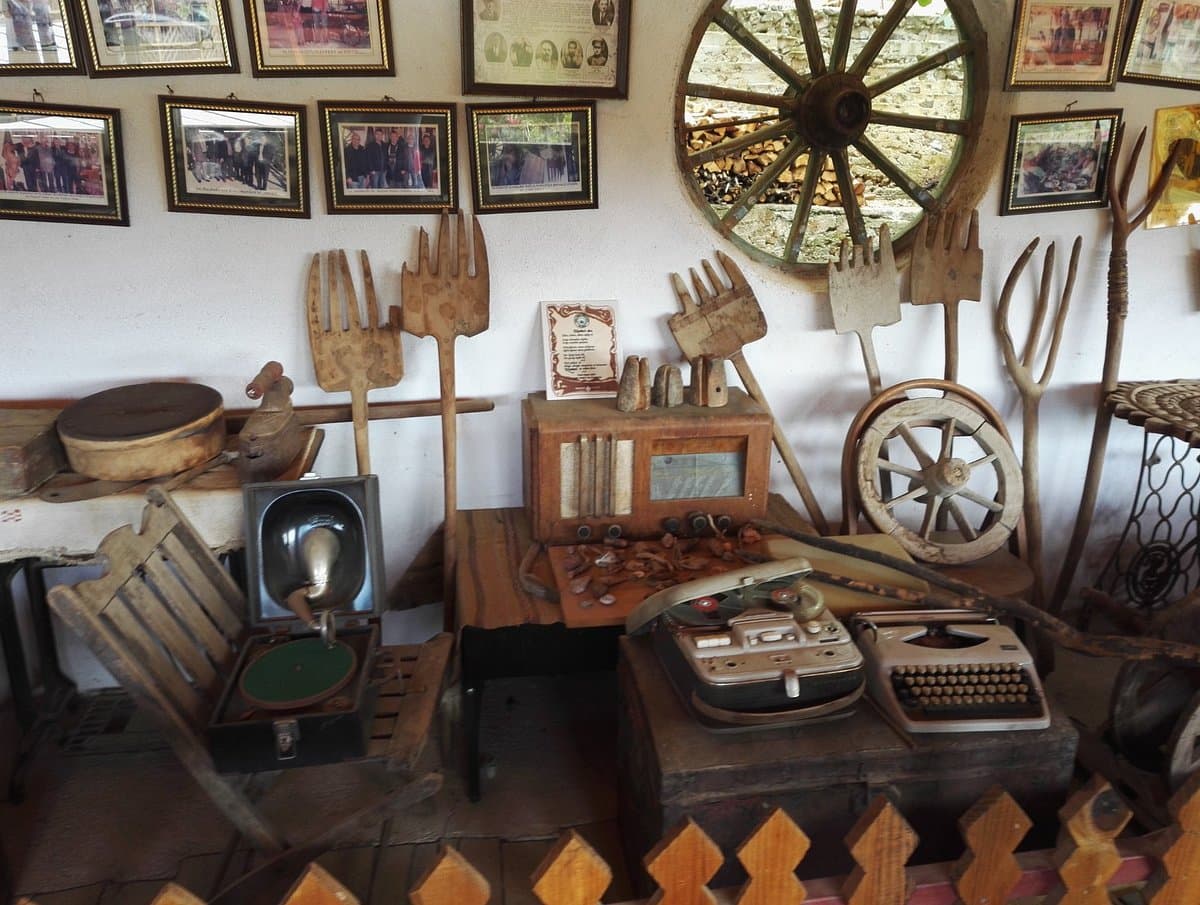
The Kargi Nomadic Museum, located in Kargi Village near Fethiye, serves as a cultural hub dedicated to preserving and showcasing the heritage of the Yuruk nomads of the region. While officially a museum, it has gained significant renown for its exceptional culinary offerings, particularly its traditional Turkish breakfast, which many visitors consider the main draw.
Visitors consistently rave about the quality and quantity of the food, describing it as farm-fresh, locally produced, and incredibly abundant. The Turkish breakfast experience is often highlighted as a "feast" or "banquet," featuring a wide selection of cheeses, various salads, homemade preserves, fresh bread, and eggs cooked in a sizzling pan. Many reviewers emphasize the excellent value for money, with unlimited fruit juice, tea, and coffee often included. The attentive service and comfortable seating also contribute to a highly positive dining experience.
To fully enjoy the experience, visitors recommend allocating at least an hour, if not more, for breakfast, as the sheer volume of food is designed to keep you satisfied all day. It's advisable to arrive with an appetite. While the museum itself is interesting to explore, many suggest enjoying the breakfast first, then taking time to wander through the exhibits. The best time to visit is in the morning to enjoy the breakfast, and it can get busy, so arriving earlier might ensure a more relaxed start. Bringing cash might be useful, although card payments are generally accepted.
The museum is located in Kargi Village, Mugla. Visitors staying in the Calis area mention that it's about a 10-minute drive by hire car and is well-signed. Given its village location, a private vehicle or taxi is likely the most convenient way to reach it. Public transport options might be limited, so planning your journey in advance is recommended.
A recurring concern among some visitors relates to the welfare of animals kept on the premises, particularly donkeys, with reports of inadequate conditions. While this is a minority view, those sensitive to animal welfare might wish to inquire about current conditions or consider this aspect before visiting. The museum's concept of combining cultural heritage with local cuisine is generally well-received, but potential visitors should be aware of this specific complaint.