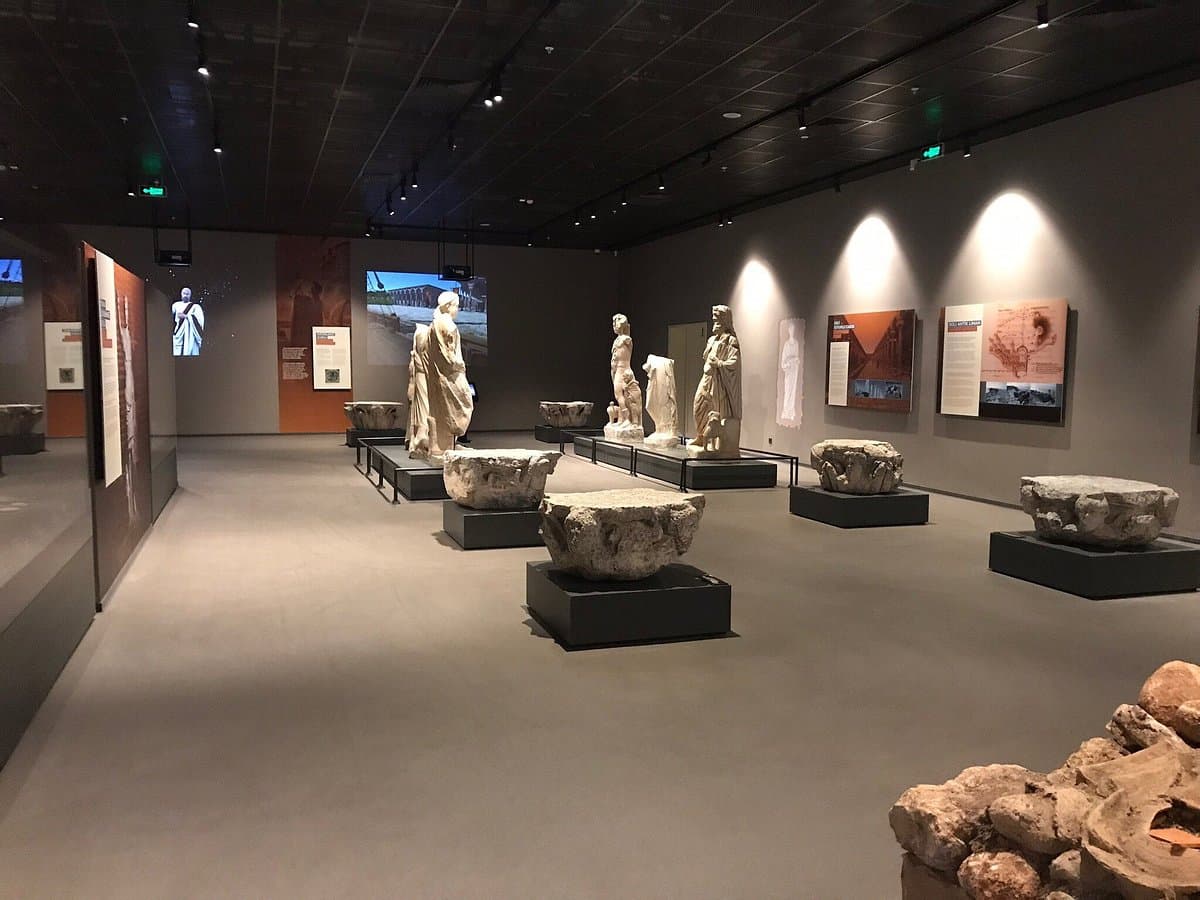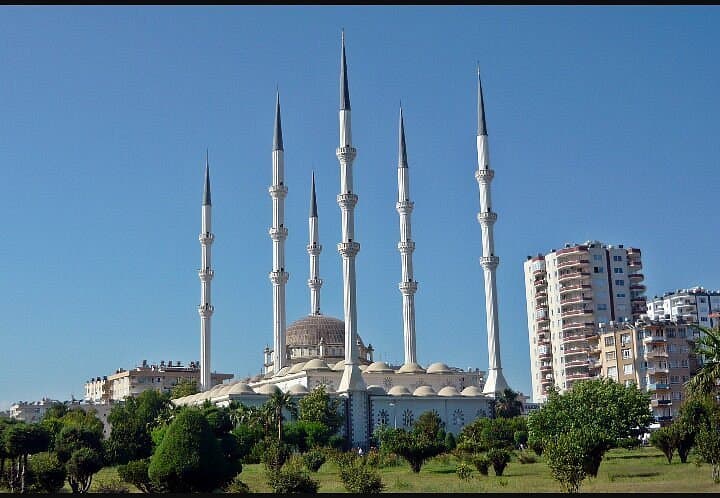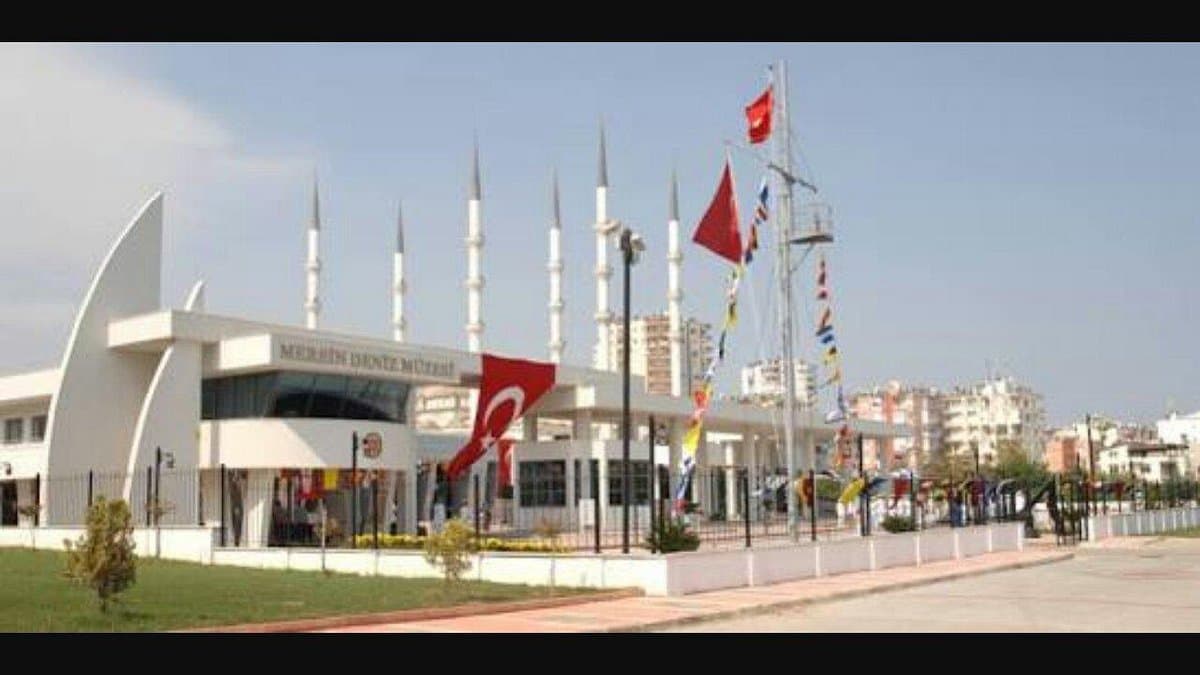
The Mersin Naval Museum offers a concise yet informative journey through the history of the Turkish navy, from the Ottoman Empire to the present day. It serves as a significant cultural institution for understanding Turkey's maritime legacy, particularly its strategic importance in the Mediterranean.
Visitors consistently praise the museum's well-organized displays and the rich collection of ship models, which are a highlight for many. The exhibition detailing the tragic story of the frigate Ertuğrul, which sank off the coast of Japan in 1890, is frequently mentioned as particularly engaging and memorable. Reviewers also appreciate the use of dioramas equipped with videos on large screens, which help to bring the naval history to life. While some find the museum small, many note that it manages to be engaging despite its size, offering a good insight into the subject matter.
For a comprehensive visit, plan to spend about 1 to 2 hours exploring the museum. Many visitors recommend combining a trip here with the adjacent Mersin Archaeology Museum, as their close proximity makes it convenient to visit both. The museum also features a café-restaurant on-site, which reviewers describe as offering good and delicious food at reasonable prices, making it a convenient option for a meal or snack during your visit.
The museum is located in Gazi Mahallesi, on Adnan Menderes Boulevard. If arriving by train from cities like Adana, visitors can take a minibus or taxi from the Mersin train station to reach the museum. Its prominent location on a main boulevard makes it relatively easy to find and access.
A common observation among visitors is that some exhibition areas, particularly those with less writing and more visual elements, can feel a bit simplistic or even "childish" to some. While the museum aims for engagement, some displays might benefit from more in-depth textual explanations for adult visitors. To mitigate this, consider doing some preliminary research on Turkish naval history before your visit to provide additional context to the visual exhibits.