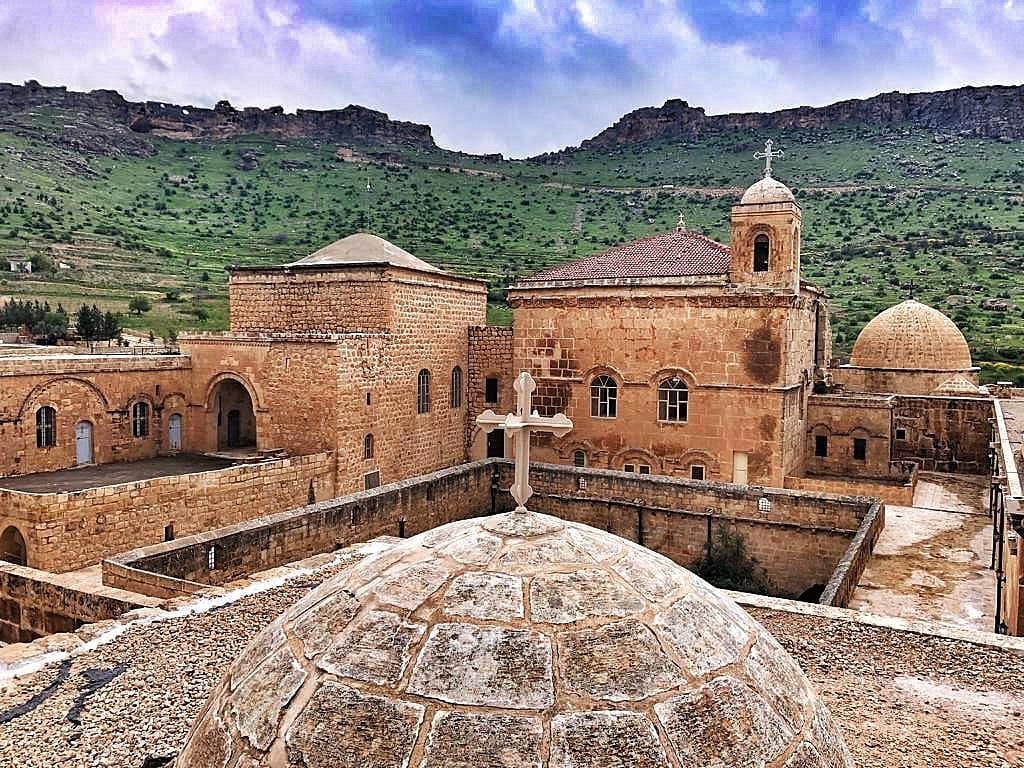
Deyrulzafaran Monastery, also known as the Saffron Monastery, is one of the most significant and well-preserved Syriac Orthodox monasteries in the world. Its history stretches back to the 5th century CE, with foundations laid over an even older Assyrian sun temple, parts of which are still visible today. For centuries, it served as the patriarchal seat of the Syriac Orthodox Church, making it a vital spiritual and cultural center for the community. Its enduring presence and active religious life offer a unique glimpse into a continuous Christian tradition in Mesopotamia.
Visitors consistently praise the monastery's impressive architecture, its tranquil setting, and the profound sense of history that permeates the site. Many reviewers highlight the engaging guided tours, which are often led by knowledgeable local guides or even priests, providing deep insights into the monastery's past and the Syriac Orthodox faith. The opportunity to witness a still-functioning monastery, where baptisms and masses are held, is frequently mentioned as a moving experience. The blend of ancient pagan roots with Christian history, particularly the visible remains of the sun temple, fascinates many. Reviewers also appreciate the well-maintained grounds, the pleasant cafe, and the gift shop offering local products like saffron cookies and tea.
To make the most of your visit, plan to spend around 1.5 to 2 hours exploring the monastery. It's advisable to arrive in the morning or late afternoon to avoid larger crowds and the midday heat, especially during summer. While the monastery is still active, visitors should dress respectfully, covering shoulders and knees. Many suggest trying the local saffron tea and cookies available at the cafe. Some visitors recommend combining a trip to Deyrulzafaran with the nearby Dara Mesopotamian ruins if you have your own transport, as they are on the same road further south from Mardin.
The monastery is located about 10-15 kilometers east of Mardin's city center. The most convenient way to reach it is by taxi, which typically takes around 15-20 minutes from Old Mardin. Visitors advise negotiating the fare for a round trip with the driver beforehand. While some reviews mention public transport being unavailable, local minibuses (dolmuş) might operate, but a taxi offers more flexibility. The monastery is situated on a hill, offering panoramic views of the Mesopotamian plains, and the approach road is generally good.
A common complaint among non-Turkish speaking visitors is that the mandatory guided tours are often conducted solely in Turkish, especially during off-peak seasons or when English-speaking guides are unavailable. While some guides make an effort to translate key points, this can detract from the experience for international tourists. To mitigate this, consider bringing a personal guide or a good guidebook to provide context. Some visitors also mention occasional long waits for tours, particularly on busy days, so arriving early or being prepared for a wait is advisable. A few reviewers felt the commercial aspects, such as the gift shop, were too prominent, but most found them to be a minor detail compared to the overall historical and spiritual significance of the site.