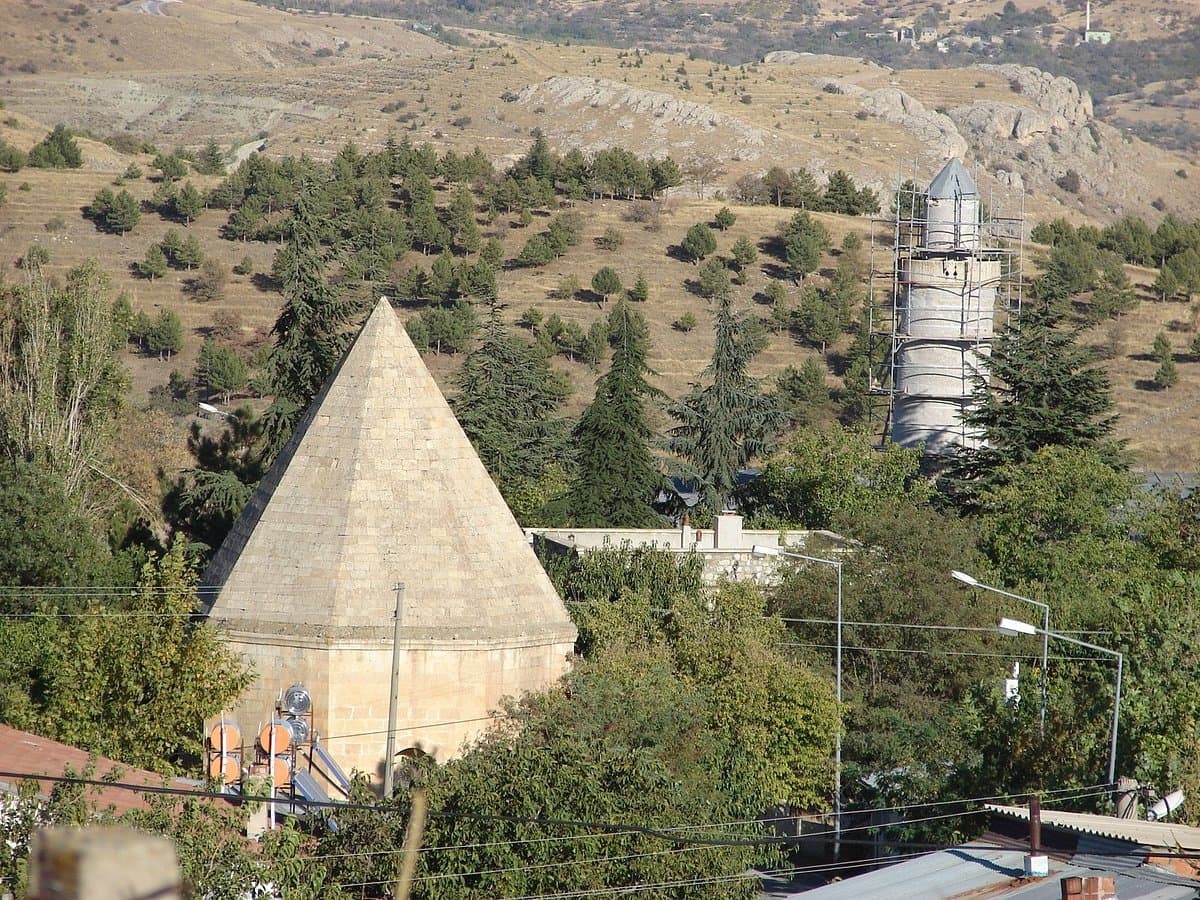
The Mansur Baba Turbesi, or Mansur Baba Tomb, is a historical and spiritual site situated in the ancient Harput neighborhood of Elazig. It houses the tomb of Mansur Baba, a revered figure whose life and contributions are part of the local lore. While not a grand architectural marvel, it holds cultural importance as a place of pilgrimage and reflection, representing a layer of the region's rich history.
Visitors consistently describe the turbesi as a peaceful and serene place, ideal for a moment of quiet contemplation. Many reviewers highlight its location within the broader Harput district, suggesting that it is best experienced as part of a larger tour of the area, which includes the Harput Castle and other historical mosques and churches. The modest scale of the site means that it doesn't require a long visit, making it a good addition to a packed itinerary.
To make the most of your visit, plan to spend about 30 minutes here. It's best visited during daylight hours, preferably in the morning or late afternoon to avoid the midday sun, especially in warmer months. There is no entry fee, making it an accessible historical stop. Consider bringing a bottle of water, especially if exploring Harput on foot, as amenities might be limited in the immediate vicinity. While there are no specific items to skip, visitors recommend focusing on the overall historical context of Harput rather than treating the turbesi as a standalone destination.
The Mansur Baba Turbesi is located in the Harput Mahallesi (neighborhood) of Elazig. Harput is situated on a hill overlooking the modern city of Elazig. To reach Harput, you can take a local dolmuş (shared taxi) or a regular taxi from Elazig city center. Once in Harput, the turbesi is within walking distance of other major attractions like Harput Castle. Parking is generally available in Harput, but it can be busy during peak times.
Common complaints are rare due to the site's small size and free entry. However, some visitors might find the site less impressive if they expect a grand monument. To mitigate this, approach the turbesi as a historical and spiritual point of interest rather than a major architectural wonder, appreciating its role in the local heritage.