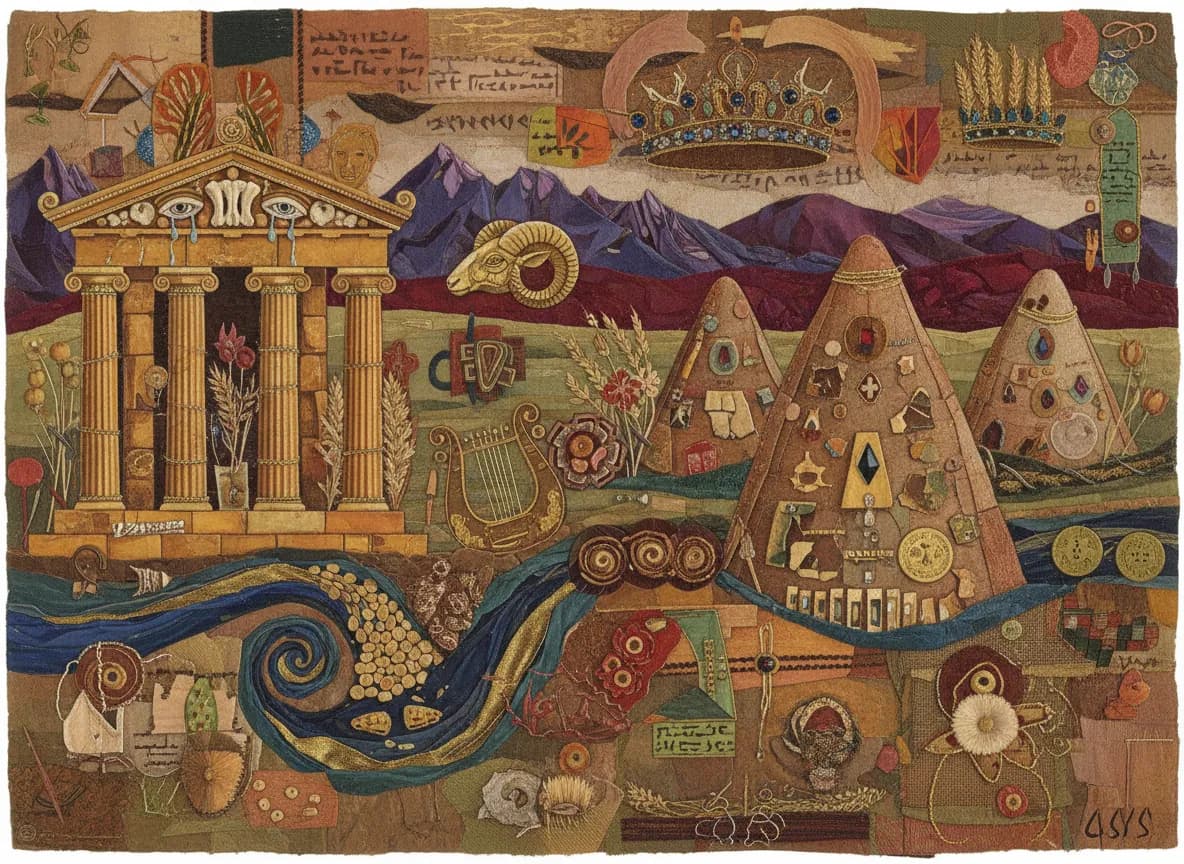
Sardis, the ancient capital of the Lydian kingdom, holds immense historical significance as the probable birthplace of metal coinage. This sprawling archaeological site offers a unique glimpse into the Iron Age, Roman, and Byzantine periods, showcasing a rich tapestry of civilizations that once thrived here before its decline and eventual capture by Tamerlane.
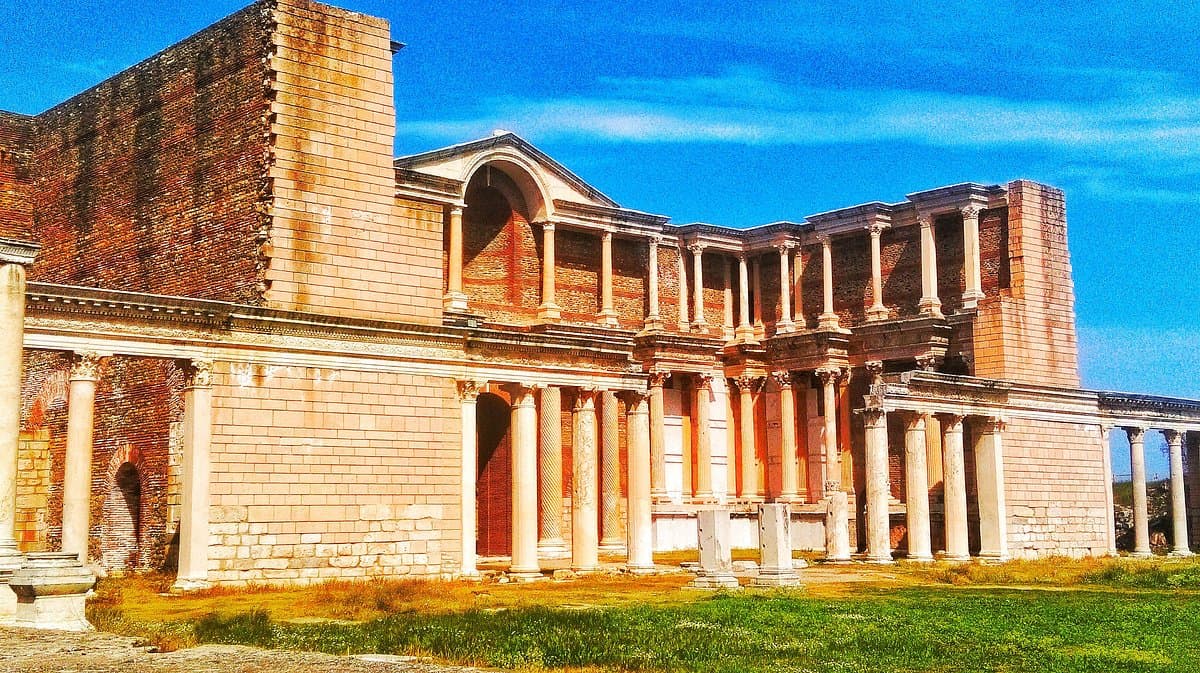
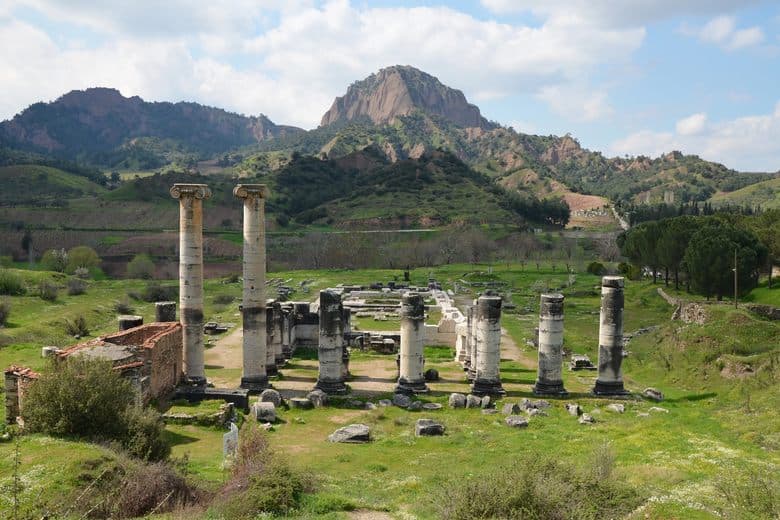
Visitors consistently praise the well-preserved bath-gymnasium complex, noting its impressive scale and the intricate details of its architecture. The ancient synagogue, one of the largest from antiquity, also draws considerable attention for its historical importance and size. Many find the Byzantine shops, complete with ancient latrines, to be a fascinating and somewhat humorous insight into daily life. The Temple of Artemis, though located a short distance away, is frequently highlighted for its majestic white columns set against the backdrop of the Tmolus mountains, offering a serene and picturesque experience.
To fully appreciate Sardis, allocate at least 2-3 hours. It's best visited in the cooler parts of the day, either early morning or late afternoon, especially during the warmer months. Wear comfortable walking shoes as the site is extensive, and bring water, as amenities might be limited. Consider combining your visit with other historical sites in the region to make the most of your trip.
Sardis is located in the small town of Sart, about an hour and a half from İzmir. The Güven Turizm company operates frequent buses to Salihli, with a stop in Sart that is approximately 15 minutes away from the archaeological site. Tickets are affordable, costing around 200 liras (5-6 euros) one way. While driving offers flexibility, public transport is a viable and cost-effective option.
A common complaint is the spread-out nature of the site, with the main complex and the Temple of Artemis being some distance apart. To mitigate this, plan your visit to include transportation between the two sections, or be prepared for a longer walk. Some visitors also note the lack of extensive interpretive signage, so bringing a guidebook or doing some research beforehand can enhance the experience.