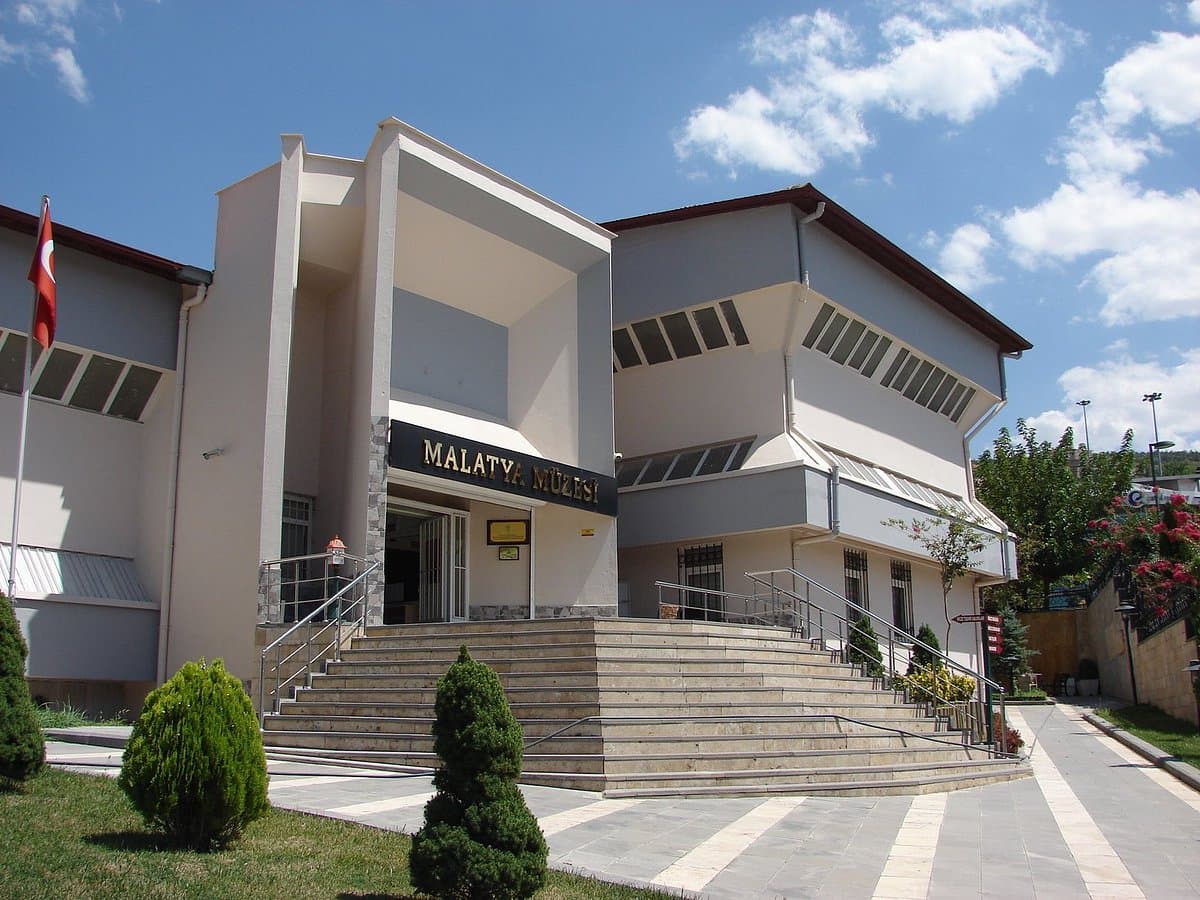
The Malatya Museum serves as a vital repository for the rich archaeological heritage of the Malatya region, particularly featuring significant finds from the ancient site of Aslantepe, a UNESCO World Heritage site. It provides a comprehensive overview of the area's history, from prehistoric times through various ancient civilizations, making it a key stop for understanding the cultural layers of Eastern Anatolia.
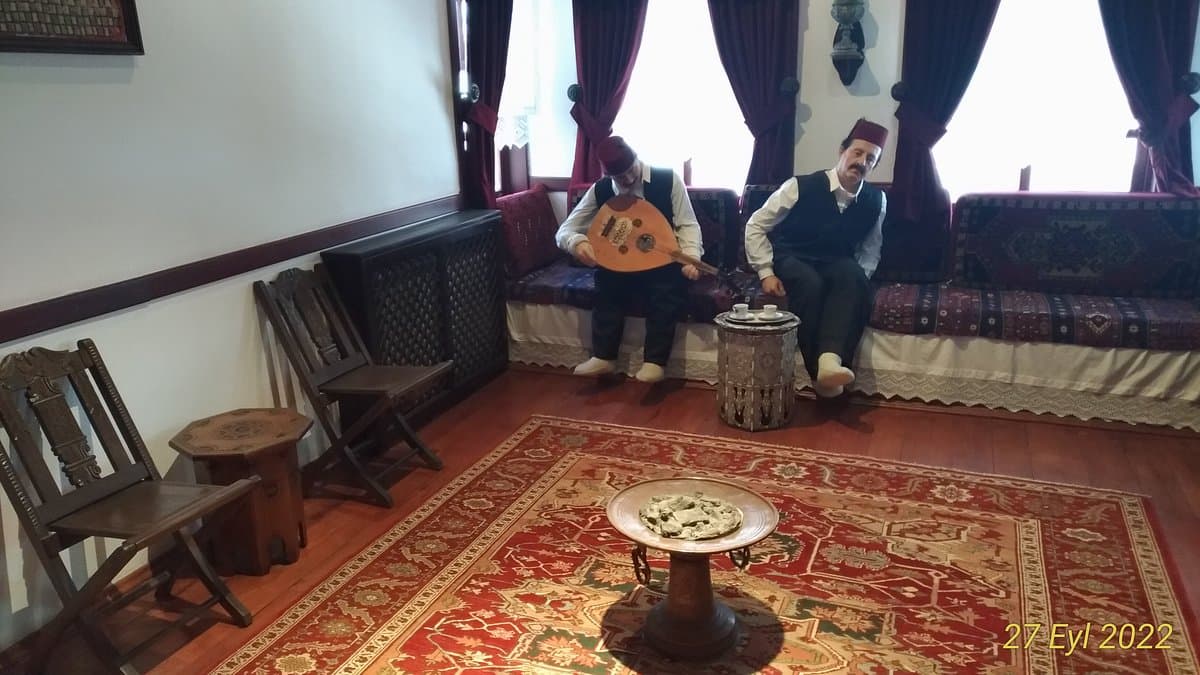
Visitors consistently praise the museum for its collection of artifacts, including ancient ruins, pottery, and even a skeleton dating back thousands of years BC. Many reviewers highlight the importance of the exhibits from Aslantepe, noting the presence of what are described as the world's oldest palace artifacts and swords. The displays are generally considered well-arranged with sufficient information, allowing for an engaging experience despite the museum's modest size. Some visitors, however, describe the museum's aesthetic as 'classical' or 'down grade,' suggesting it hasn't seen significant renovation since its establishment, which might detract from the modern museum experience for some.
To make the most of your visit, allocate about 30 minutes to an hour. The museum is small, so it's easy to navigate without feeling rushed. It's best visited during daylight hours to appreciate the exhibits fully. While there are no specific items to bring, comfortable shoes are always advisable for museum visits. The surrounding area offers small markets and shops, providing opportunities for a brief stroll or souvenir shopping after your visit. Don't forget to sample or purchase local apricots, as Malatya is renowned for them.
The Malatya Museum is conveniently located in the city center, specifically at Kernek Meydanı (Kernek Square) or Kanalboyu. Its central position makes transportation very easy, as it's accessible by local public transport or a short walk from many central points in Malatya. Reviewers emphasize its proximity to other city attractions and amenities, making it an easy addition to a city exploration itinerary.
The primary complaint among visitors is the perceived lack of modernization or renovation, with some describing it as feeling like it was built in the 1930s and never updated. While this doesn't diminish the historical value of the artifacts, those expecting a high-tech, interactive museum experience might be disappointed. To mitigate this, approach the museum with an appreciation for its historical significance and the authenticity of its collection, rather than expecting a contemporary exhibition design.