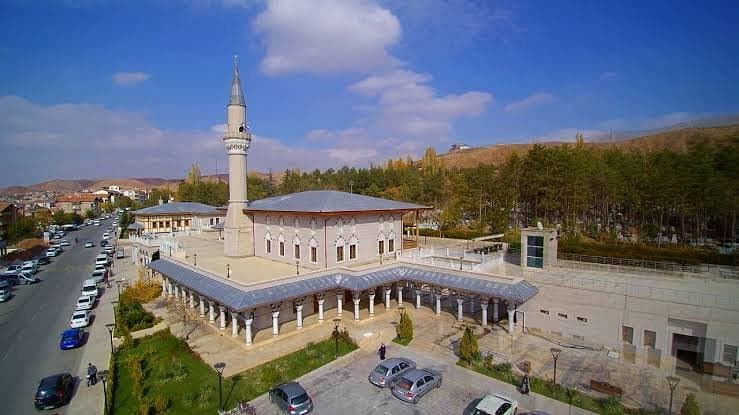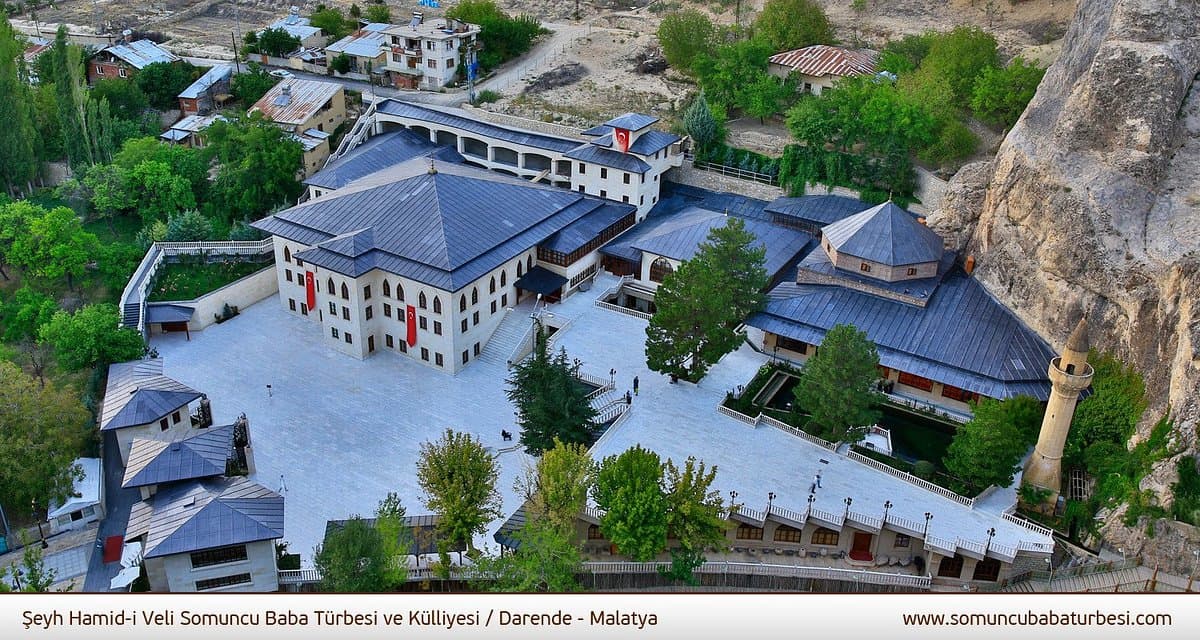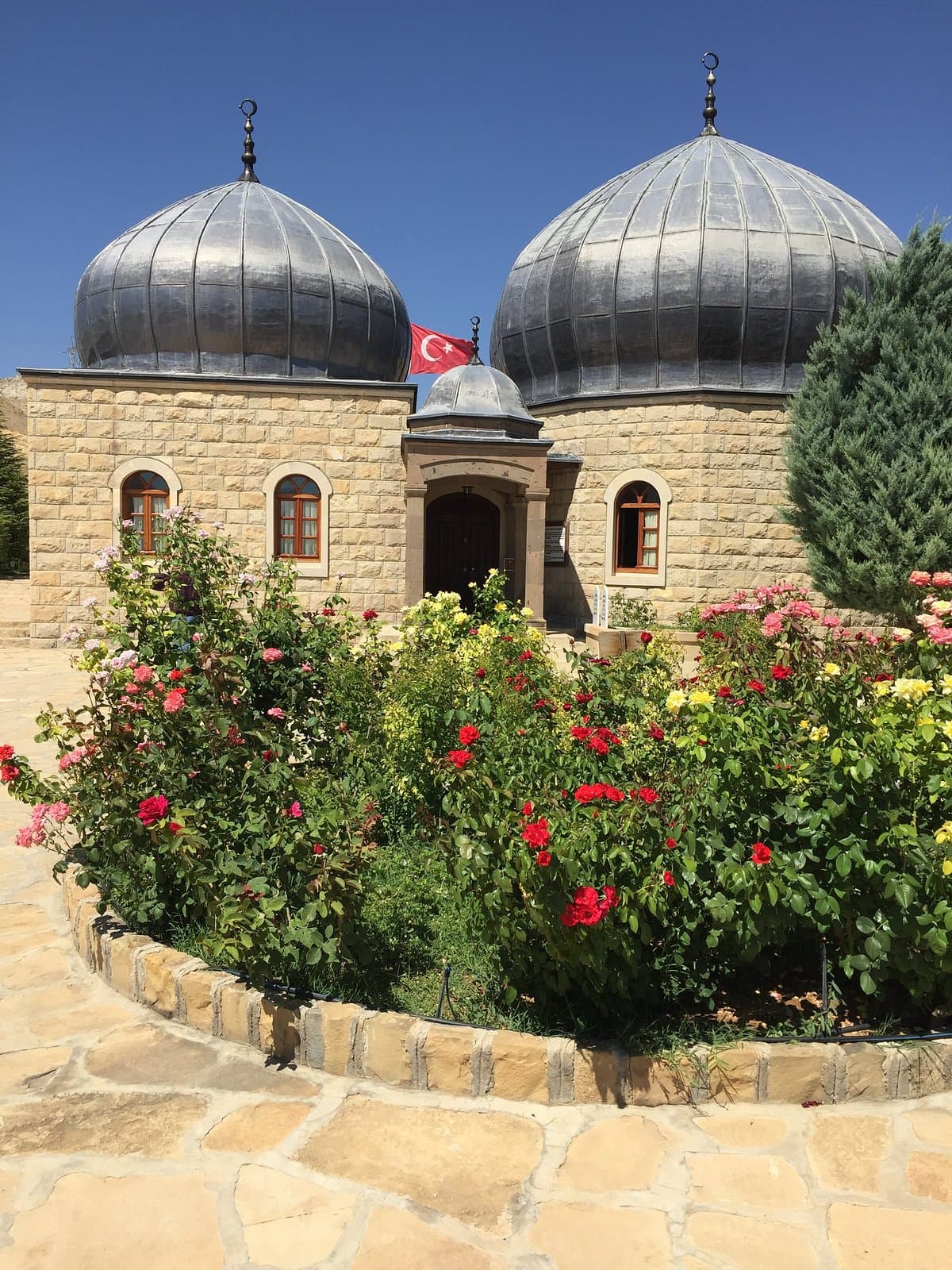
The Hasan Gazi Tomb (Hasan Gazi Türbesi) is a significant historical and religious site located in Darende. It is believed to be the final resting place of Hasan Gazi, a revered figure in local Islamic tradition, possibly a commander or a holy man from the early Islamic conquests. The tomb serves as a place of pilgrimage and reflection, embodying centuries of local history and spiritual devotion.
Visitors consistently praise the tomb for its serene and spiritual ambiance, describing it as a peaceful retreat. Many reviewers highlight the opportunity to connect with local history and culture, often noting the respectful atmosphere maintained by locals. While the tomb itself is relatively modest in size, its historical weight and the stories associated with Hasan Gazi make it a compelling stop for those interested in the region's past. Some visitors also appreciate the opportunity to learn about the legends and folklore surrounding Hasan Gazi from local residents.
To fully appreciate the site, visitors should allocate about 30 minutes to an hour. It is best visited during daylight hours, ideally in the morning or late afternoon to experience the tranquility. There is no entry fee, making it an accessible historical experience. It is advisable to dress modestly out of respect for the religious nature of the site. Bringing a bottle of water, especially during warmer months, is also recommended.
The Hasan Gazi Tomb is located in Hacıderviş Mahallesi, Yanık Tepe Sk, Darende. As Darende is a smaller town, public transportation options directly to the tomb might be limited. Visitors typically reach the site by car or taxi. If driving, local signage should guide you, and parking is usually available nearby on the street. Walking from the town center is also an option for those who enjoy exploring on foot, offering a chance to see more of Darende's local life.
Common complaints are rare, but some visitors might find the site less grand than other more famous historical tombs, as it is a local rather than a major national monument. To mitigate this, approach the visit with an appreciation for its local historical and spiritual significance rather than expecting a large-scale architectural marvel. The experience is more about quiet contemplation and cultural immersion.