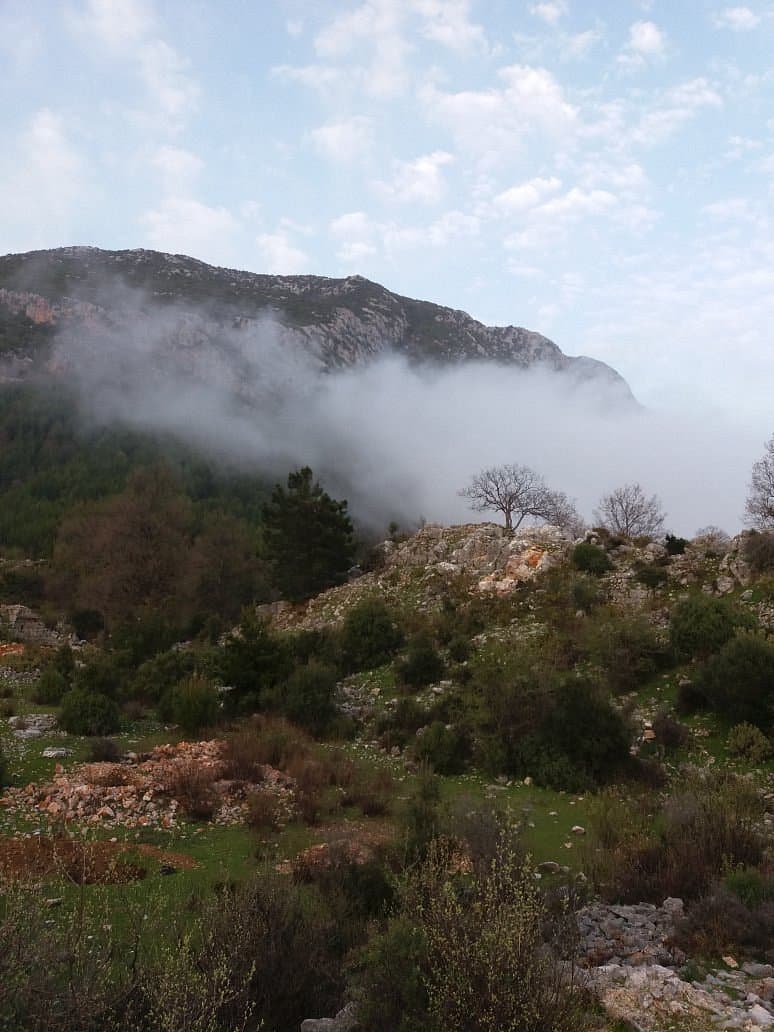
Laertes Ancient City, perched on a hill near Mahmutlar, offers a quiet journey into the past, primarily showcasing remnants from the Roman and Hellenistic periods. While not as grand or well-preserved as some of Turkey's more famous archaeological sites, it provides a sense of discovery for those interested in lesser-known historical locations. The site's elevated position also grants panoramic views of the surrounding landscape and the Mediterranean Sea.
Visitors consistently praise the peaceful atmosphere and the stunning vistas from the site, often describing it as a tranquil escape from the bustling coastal areas. Reviewers frequently mention the opportunity for a pleasant walk among the ruins, which include a small theater, an odeon, and parts of the city walls. However, many note that the ruins are quite spread out and not extensively excavated or restored, requiring a good imagination to visualize the ancient city. The lack of detailed informational signs is a common point raised, suggesting that bringing a guide or doing prior research enhances the experience.
To make the most of your visit, allocate about 1 to 2 hours to explore the site at a leisurely pace. It's advisable to visit during the cooler parts of the day, either early morning or late afternoon, especially during the hot summer months. Wear comfortable walking shoes, as the terrain can be uneven, and bring plenty of water. There are no facilities on site, so plan accordingly. Consider bringing a hat and sunscreen for protection from the sun. A small picnic could be enjoyable given the scenic views.
Laertes Ancient City is located near Gozukucuklu Koyu, Mahmutlar. Reaching the site typically requires a car or a taxi, as public transport options are limited. Reviewers suggest that the road leading up to the site can be steep and unpaved in sections, so a robust vehicle might be preferable. There is no designated parking area, but visitors usually find space along the roadside near the entrance to the ruins. The site is a short drive from Mahmutlar, making it a feasible excursion for those staying in the area.
A common complaint among visitors is the lack of clear signage both to the site and within the site itself, making navigation challenging. To mitigate this, use GPS navigation to reach the general area and look for local indicators. Once at the site, be prepared for minimal interpretation; a good guidebook or online resources can help contextualize the ruins. The limited preservation of the structures means that those expecting grand, intact monuments might be disappointed; approach the visit with an appreciation for scattered historical fragments and the natural beauty of the location.