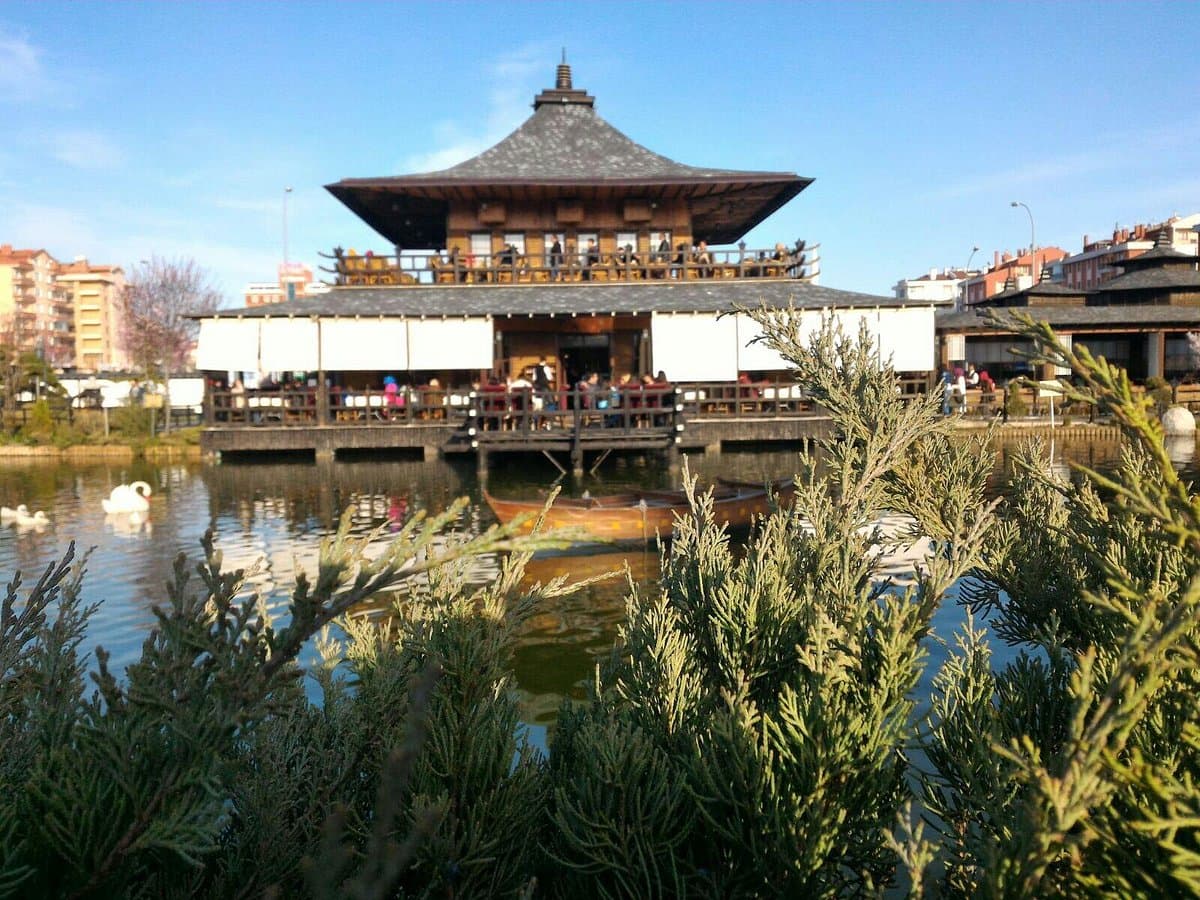
The Kyoto Japanese Park in Konya is a unique green space designed to symbolize the sister-city relationship between Konya and Kyoto. Opened in 2010, it aims to bring a slice of Japanese culture and aesthetics to Turkey, featuring traditional garden elements like ponds, stone bridges, pavilions, and specific plant varieties. It serves as a peaceful retreat from the city's hustle and offers a different cultural experience compared to Konya's historical and religious sites.
Visitors consistently praise the park for its serene atmosphere, cleanliness, and beautiful design, often describing it as a "gem" or a "beautiful, cozy place." Many appreciate the opportunity for quiet strolls along the winding paths and the chance to relax by the artificial lake, which is home to fish and water turtles. The Japanese-style cafe and restaurant are frequently highlighted for their pleasant setting, with some reviewers noting good service and tasty food, including fresh orange juice. The park is also a popular spot for wedding photoshoots, adding to its picturesque appeal.
For a fulfilling visit, allocate about 1 to 2 hours to explore the park leisurely. Reviewers suggest visiting during spring or summer to fully appreciate the greenery and flowers, especially the sakura. Early mornings or late afternoons are recommended to avoid the midday heat, particularly in summer when temperatures can exceed 30°C. While there's a cafe and restaurant on-site, some visitors recommend bringing your own picnic to enjoy in one of the many shaded spots or family-sized pagodas. The park is free to enter, making it an accessible option for all travelers.
The park is easily accessible by tram, which many visitors recommend as a fast and cheap way to get there from the city center. Take the Green tram line; the journey typically takes about 15 minutes. While it's located somewhat far from the city center, the tram connection makes it convenient. Driving is also an option, and parking is generally available.
A common complaint among visitors is that the park, despite its name, doesn't always feel authentically Japanese, especially for those who have traveled extensively in Japan. Some feel it lacks deeper cultural elements or exhibitions beyond the garden design and buildings. Additionally, a few reviewers mentioned dirty water in the pond or disappointing experiences with the cafe's food quality. To mitigate these, manage your expectations regarding cultural immersion and focus on enjoying the park as a pleasant green space. If dining at the cafe, consider sticking to simpler items or having a backup plan for food.