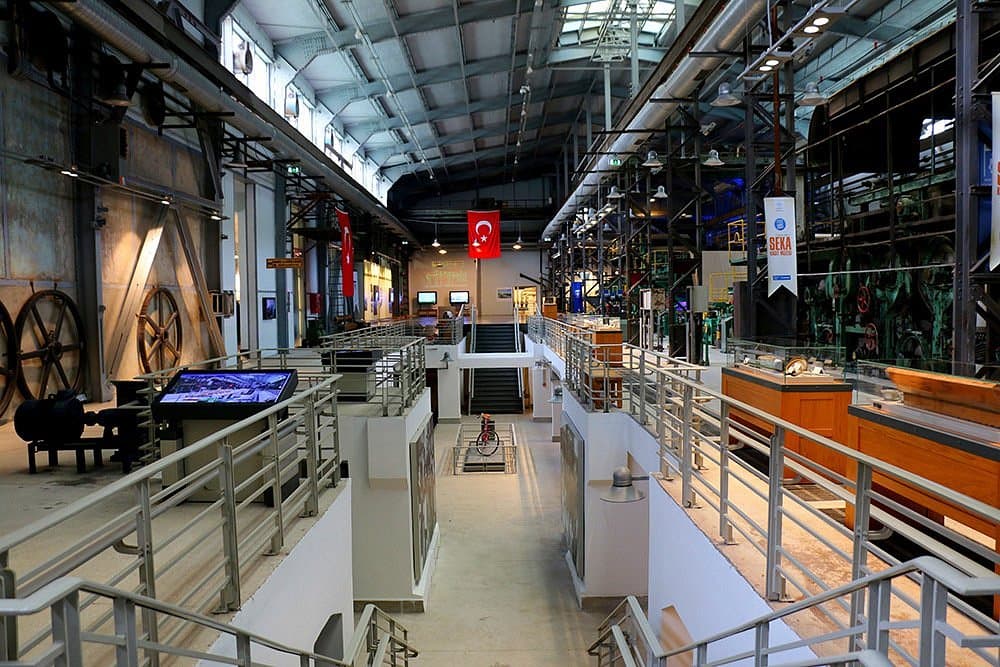
The SEKA Paper Museum, or SEKA Kağıt Müzesi, is a unique cultural institution located in Izmit, Turkey. It is housed in the meticulously restored buildings of the former SEKA paper factory, which was once a cornerstone of Turkey's industrial development. The museum serves as a testament to the country's industrial heritage, showcasing the intricate process of paper making and its historical significance. It's not just a museum about paper; it's a journey through the evolution of an industry that shaped a nation.
Visitors consistently highlight the museum's educational value and engaging exhibits. Many describe it as a wonderful place that sheds light on the past and offers a rich learning experience. Reviewers often mention that it's a very nice museum, with some noting the presence of other informative sections like a science museum and a photography museum within the complex, adding to its appeal. The fact that it's free to enter is frequently praised, making it an accessible option for all.
To make the most of your visit, plan to spend at least 1-2 hours exploring the various sections. The museum is well-maintained and offers a comfortable environment for learning. Since it's an indoor attraction, it's suitable for visiting regardless of the weather. There are no specific items to bring, but comfortable shoes are always advisable for exploring museum complexes. Given its free entry, it's an excellent budget-friendly activity.
The museum is located at Mehmet Ali Kağıtçı Sokak No:77, Izmit. While specific public transport details are not consistently mentioned in reviews, its central location in Izmit suggests it should be reasonably accessible by local buses or taxis. Visitors unfamiliar with Izmit can use ride-sharing apps or ask their accommodation for the best way to reach the museum.
Common complaints are not prevalent in visitor reviews, suggesting a generally positive experience. However, as with any museum, some visitors might find the subject matter less engaging if they do not have a particular interest in industrial history or paper production. To mitigate this, approach the visit with an open mind and appreciate the historical and cultural significance of the exhibits.