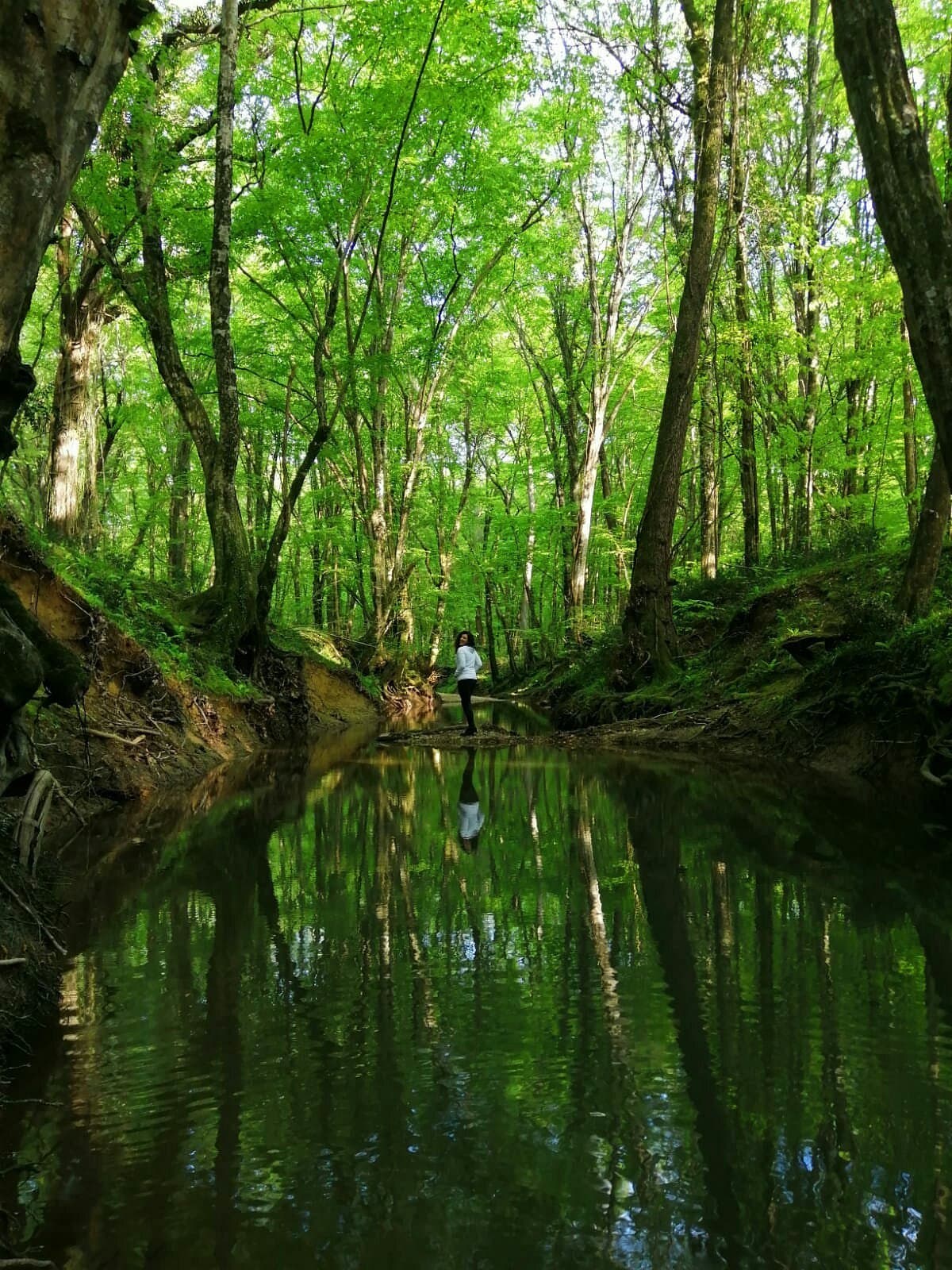
Igneada Longoz Forests National Park is a significant natural reserve, home to one of Europe's largest and the world's second-largest flooded forests, also known as longoz forests. This unique ecosystem, where trees grow directly in water, creates a distinctive landscape that supports a rich biodiversity, including various bird species, turtles, and diverse flora. Its ecological importance and rare beauty make it a crucial site for nature conservation and a fascinating destination for eco-tourism.
Visitors consistently praise the park's untouched natural beauty, describing it as a "real forest" with "clean fresh air" and a "peaceful atmosphere." Many highlight the unique experience of seeing trees growing in the river and the opportunity for extensive hiking. The park's vastness is a recurring theme, with several reviewers noting that it's easy to spend days exploring. Kayaking on the rivers is also a popular activity, offering a different perspective of the flooded forests.
To make the most of your visit, allocate at least a full day, as the park is enormous. Reviewers strongly recommend bringing insect repellent, especially during warmer months like July, as mosquitoes can be a significant issue. Wearing long sleeves and trousers is also advisable. While entry is free, consider hiring a local guide, as many visitors mention a lack of clear signage on trails, making it easy to get lost. Early morning visits are suggested to avoid both crowds and the worst of the mosquito activity.
The park is located near Igneada. While specific public transport details are not widely available in reviews, visitors typically reach the area by private car. Once in Igneada, local transport or taxis might be an option to get closer to the park entrances. Given the park's size and lack of internal signage, having your own vehicle or arranging transport for drop-off and pick-up can be beneficial for exploring different sections.
The most common complaint revolves around the abundance of mosquitoes, particularly in summer. To mitigate this, come prepared with strong repellents and appropriate clothing. Another issue is the lack of clear trail markers; hiring a guide or using offline maps can help navigate the extensive network of paths. Some visitors also express concern about potential threats from nearby development projects, urging visitors to respect and protect the park's fragile environment.