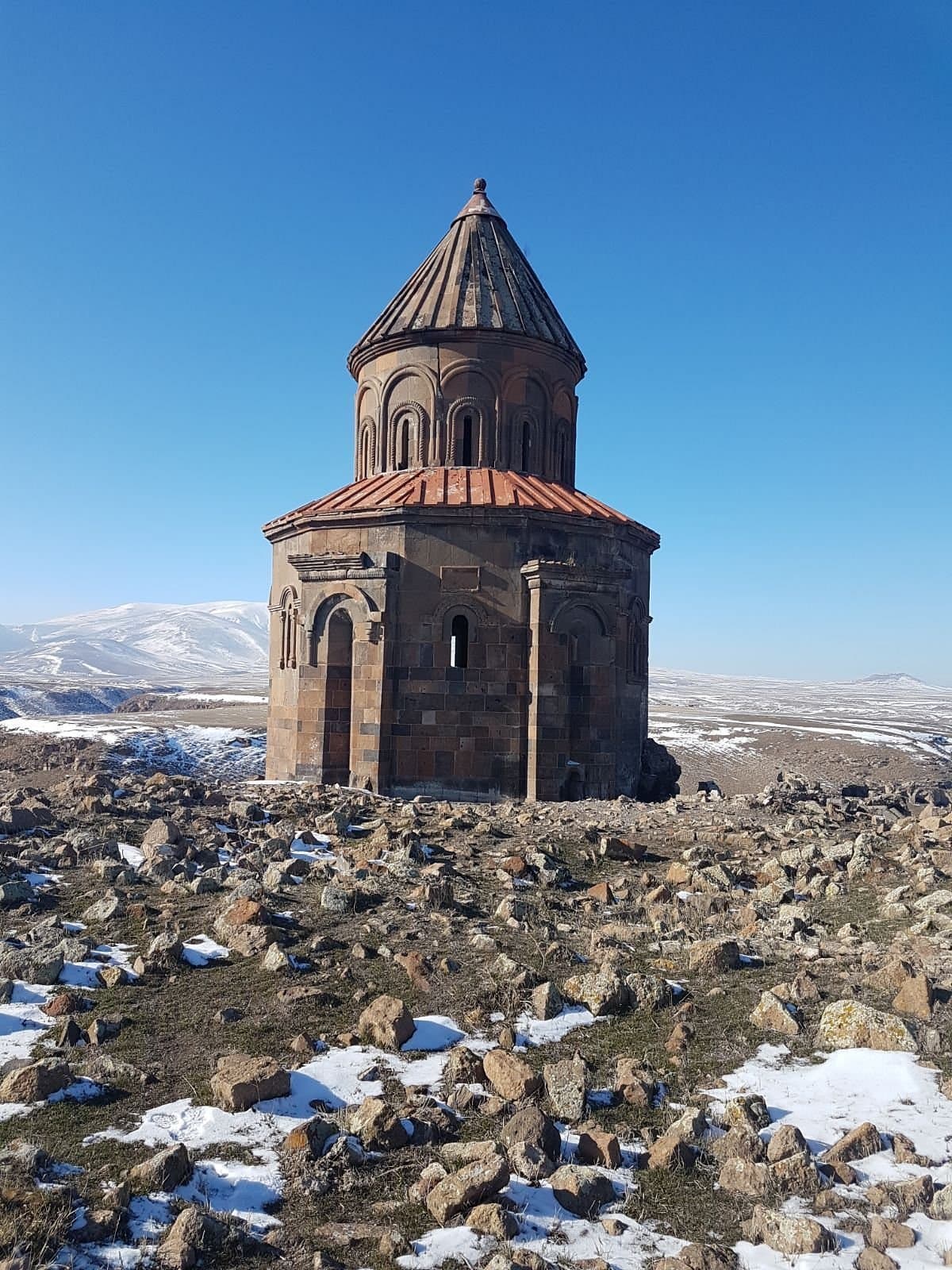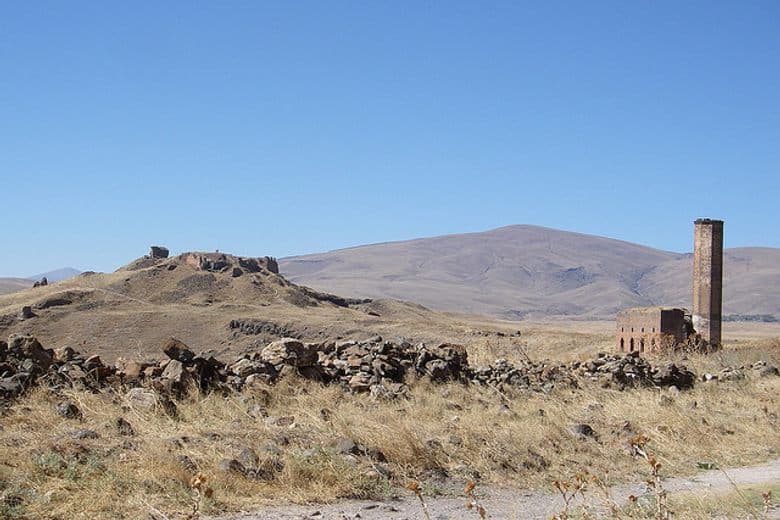
The Minuchir Mosque of Ani, though largely in ruins today, represents a crucial chapter in the history of Ani, the once-thriving capital of the Bagratid Armenian kingdom. Its surviving minaret, dating back to the 11th century, is one of the oldest examples of Seljuk architecture in Anatolia and symbolizes the city's conquest by Seljuk forces in 1064. This transformation marked a significant shift in Ani's cultural and religious landscape, introducing a strong Islamic presence to a predominantly Christian Armenian population.
Visitors consistently highlight the minaret's impressive height and intricate brickwork, noting its stark contrast against the vast, open landscape of the Ani archaeological site. Many reviewers find the mosque's remains, particularly the prayer room foundations, to be deeply atmospheric, offering a tangible connection to the city's layered past. The sense of history and the quiet solitude of the ruins are frequently praised, allowing for reflective exploration.
To fully appreciate the Minuchir Mosque, visitors should allocate about 15-30 minutes specifically for this structure within their broader exploration of Ani. The best time to visit is during the cooler parts of the day, either early morning or late afternoon, to avoid the midday sun, especially in summer. Comfortable walking shoes are essential, as the site involves uneven terrain. Bringing water and sun protection is also highly recommended, as there are limited facilities within the ruins.
The Ani archaeological site, including the Minuchir Mosque, is located near the village of Ocaklı in the Kars province. Access is typically by car or taxi from Kars city, which is about a 45-minute drive. There is a designated parking area at the entrance to the Ani site. Public transport options are limited, so arranging private transport or joining an organized tour from Kars is the most practical way to reach the site. Once inside the archaeological area, the mosque is easily accessible via well-trodden paths.
A common complaint among visitors is the lack of extensive interpretive signage directly at the mosque itself, which can make it challenging to fully understand its historical context without prior research or a guide. To mitigate this, it's advisable to read up on Ani's history and the mosque's significance before your visit, or consider hiring a local guide at the site entrance who can provide detailed explanations.