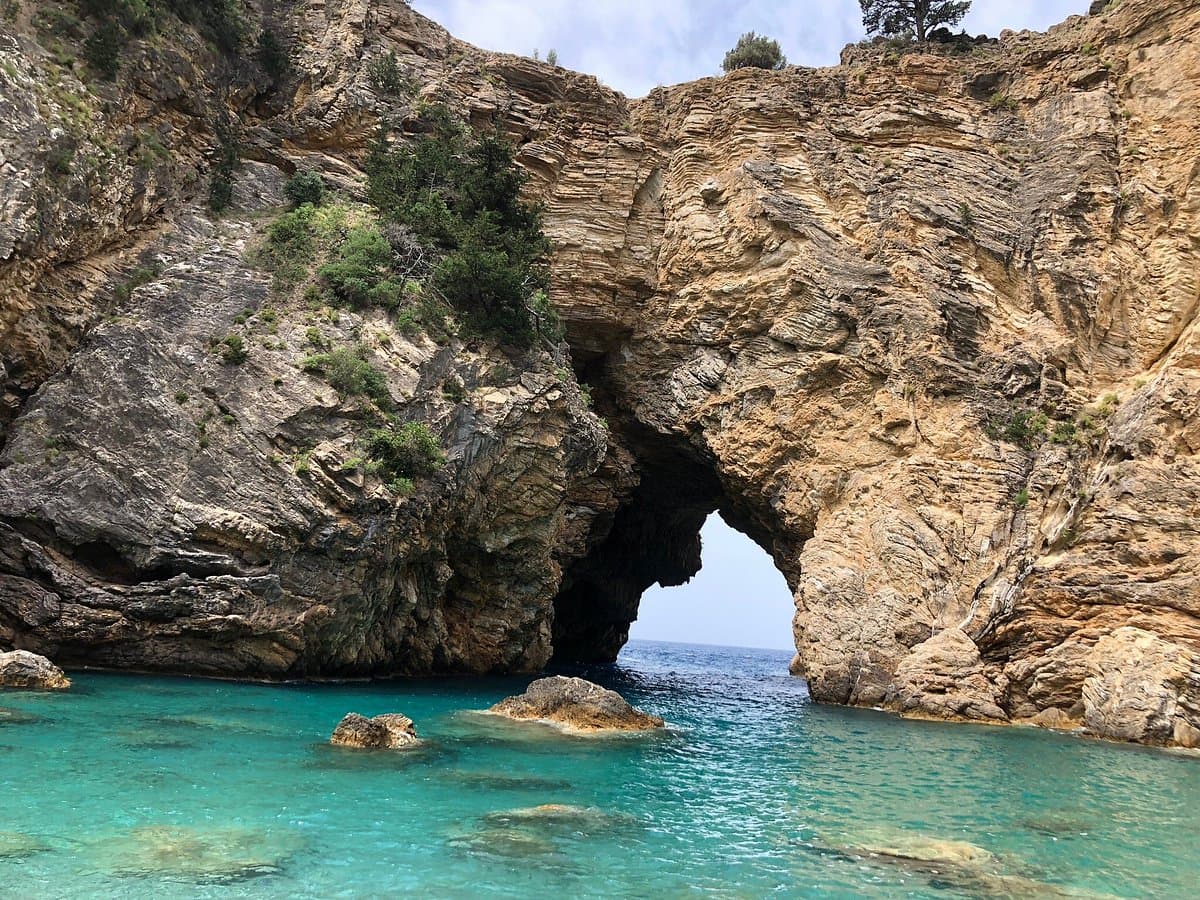
Antiochia ad Cragum is an ancient city located on the rugged coast near Gazipaşa, Turkey. It's significant for its ongoing archaeological excavations, which are continually uncovering new insights into Roman and Byzantine periods, including impressive mosaics. The site is particularly notable for its dramatic setting, perched above a secluded bay, offering both historical exploration and natural beauty.
Visitors consistently praise the scenic beauty and historical importance of the site, often highlighting the peaceful atmosphere and the opportunity to explore without large crowds. Many reviewers are impressed by the ongoing archaeological work, particularly the discovery of intricate mosaics. The hidden bay below the ruins is frequently mentioned as a beautiful and quiet spot for swimming, though some note the descent can be challenging. Reviewers strongly recommend wearing tough, comfortable shoes due to the uneven terrain and rocky paths.
To make the most of your visit, allocate at least two to three hours to explore both the ruins and the bay. It's advisable to bring your own water, snacks, and perhaps a picnic, as there are no facilities on site. Sunscreen and a hat are also essential, especially during warmer months, as there is little shade. The best time to visit is in the morning or late afternoon to avoid the midday heat and enjoy the softer light for photography. While the site is free to enter, be prepared for a rustic experience.
Antiochia ad Cragum is located in Güney Mahallesi, Nohutyeri Mevkii, Gazipaşa. It's about a 30-minute drive from Gazipaşa town center. The road leads directly to the historical site, where you can park your car. From the parking area, visitors will need to walk approximately 200 meters to reach the main ruins. Some adventurous visitors have reached the area by scooter from Alanya, describing the journey as an adventure due to the coastal roads.
A common complaint among some visitors is the lack of developed infrastructure and facilities, which can make the visit less comfortable for those expecting a more managed archaeological park. The challenging terrain, particularly the descent to the bay, is also mentioned as a potential hazard, especially for children. To mitigate these issues, come prepared with all necessary supplies, wear appropriate footwear, and exercise caution, especially if traveling with young children. Some visitors also felt the site was not as impressive as photos suggested, so manage expectations for a raw, unpreserved archaeological experience rather than a fully restored one.