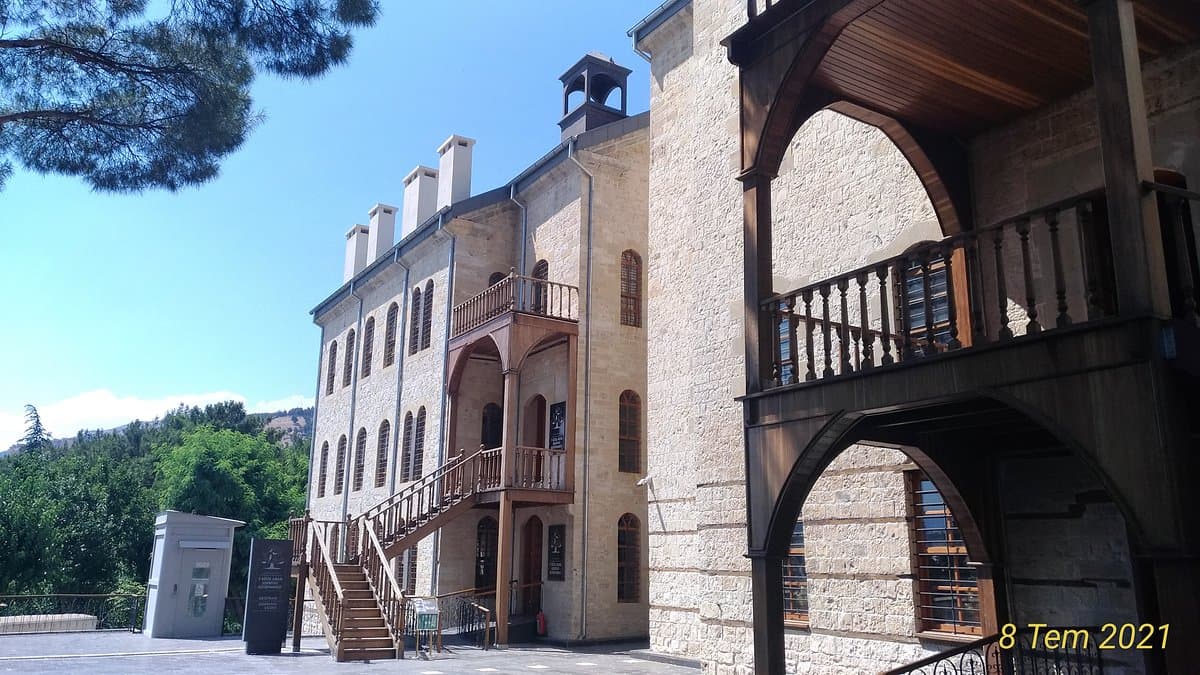
The Kahramanmaraş Archaeology Museum serves as a vital repository for the historical and archaeological treasures unearthed in the Kahramanmaraş region. It provides a comprehensive narrative of human settlement and civilization in this part of Anatolia, spanning from the Lower Paleolithic period through the Neolithic, Chalcolithic, Early Bronze Age, Hittite, Neo-Hittite, Roman, Byzantine, and Ottoman eras. Its significance lies in showcasing the continuous cultural layering of the area, making it a key institution for understanding regional history.
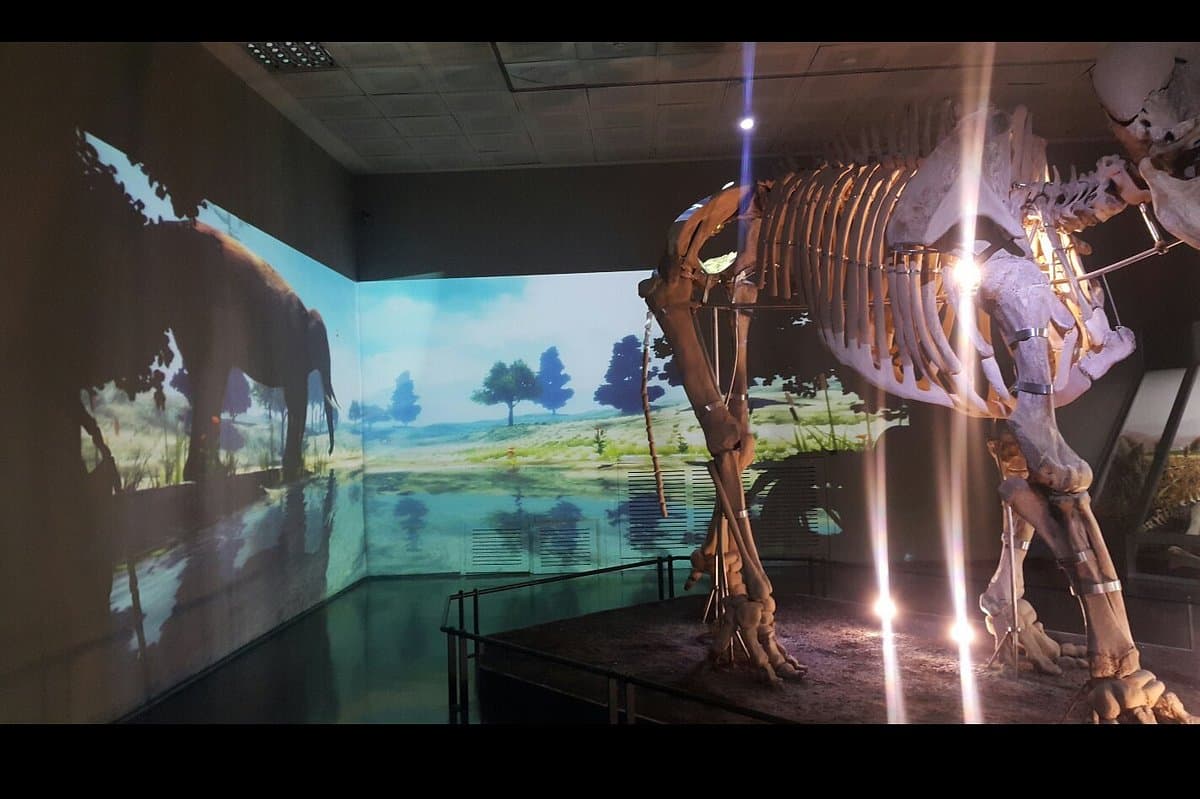
Visitors frequently highlight the museum's diverse collection, with many expressing particular fascination with the prehistoric exhibits. The colossal mammoth skeleton is a consistent point of praise, often described as a must-see. Reviewers also appreciate the extensive collection of ancient stone statues, including Greek figures, and intricate mosaics. A significant advantage noted by several visitors is the availability of English descriptions for the exhibits, which greatly enhances the understanding and enjoyment for international guests. The friendly and helpful staff also contribute to a positive visitor experience.
To make the most of your visit, allocate approximately 1.5 to 2 hours to explore the museum thoroughly. While some reviews mention a 5 Lira entrance fee, others state it was free, so it's advisable to check current pricing upon arrival. The museum is well-organized, and the English descriptions mean you won't need a guide. Consider combining your visit with a taste of local delicacies like Kahramanmaraş baklava and ice cream, as suggested by one enthusiastic reviewer, to round out your cultural experience.
The museum is conveniently located on Azerbaycan Bulvarı, a central thoroughfare in Kahramanmaraş. Its address, Azerbaycan Bulvari, Yenisehir Sokak, No: 35, places it within easy reach of the city center. Visitors can likely access it via local public transport or a short taxi ride from most parts of the city. Given its central location, walking might also be an option depending on your starting point.
While generally positive, some visitors might find the museum's presentation style to be traditional, lacking some of the interactive elements found in more modern museums. However, the sheer volume and quality of the artifacts, coupled with clear labeling, generally outweigh this for those interested in historical exhibits. Ensure you verify the entrance fee, as there seems to be some discrepancy in past reviews.