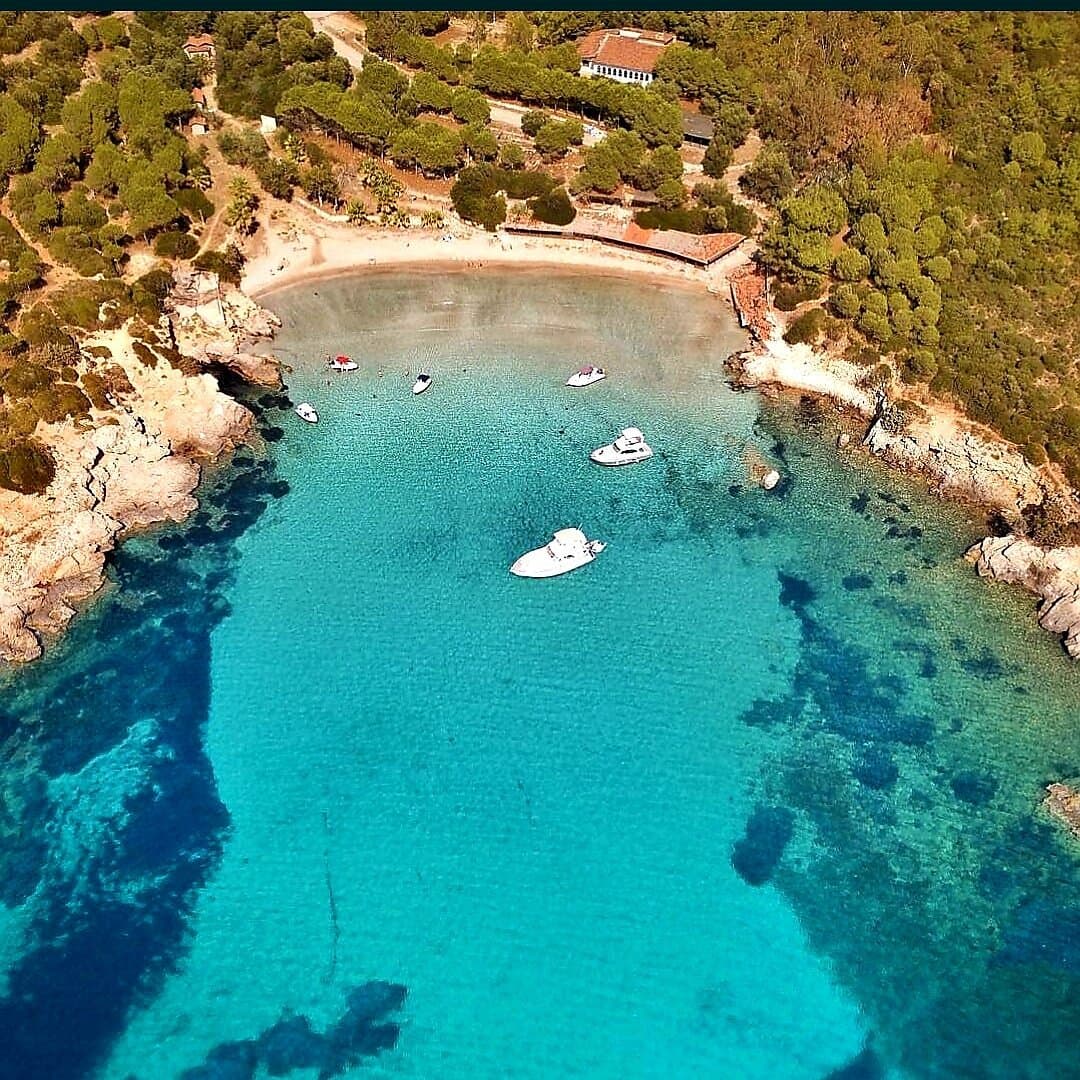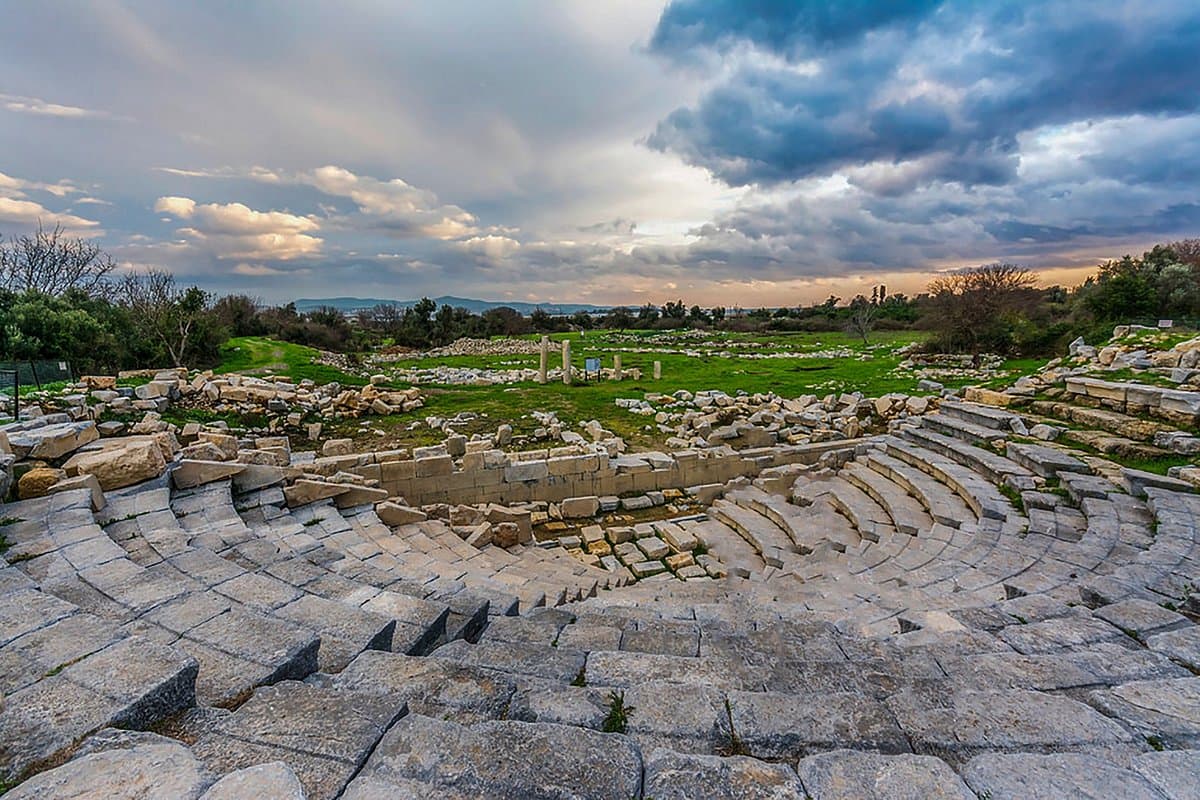
Teos Ancient City, one of the twelve Ionian cities, was a significant port and cultural center, particularly renowned for its Temple of Dionysus, said to be the largest of its kind in ancient times. Today, it stands as an active archaeological site, offering a glimpse into Hellenistic and Roman periods with visible remains of a theater, agora, odeon, and ancient harbor. Unlike more extensively restored sites, Teos provides a raw, authentic experience of an ancient city still in the process of being uncovered.
Visitors consistently praise the site for its vastness and the freedom to explore without crowds, often comparing it favorably to more commercialized ruins. Many appreciate the peaceful atmosphere, the presence of ancient olive trees, and the opportunity to witness ongoing excavations. The site's natural beauty, with wildflowers in spring and sea views, also receives frequent mentions. However, some visitors note that while the area is large, many structures are still largely ruined or underground, requiring imagination to fully appreciate. The lack of extensive English information on-site is a common point, though some guide leaflets are provided.
To make the most of your visit, wear comfortable walking shoes, as the site is extensive and involves considerable walking over uneven terrain. Bring plenty of water, especially during warmer months, as there are no facilities to purchase drinks inside. A hat and sunscreen are also advisable due to limited shade. Allow at least 2-3 hours to explore the main areas, and more if you wish to wander extensively. The best time to visit is in the morning or late afternoon to avoid the midday heat, particularly in summer. Spring is highly recommended for the wildflowers and milder temperatures. While some areas are being developed with marked paths, be prepared for some overgrown sections.
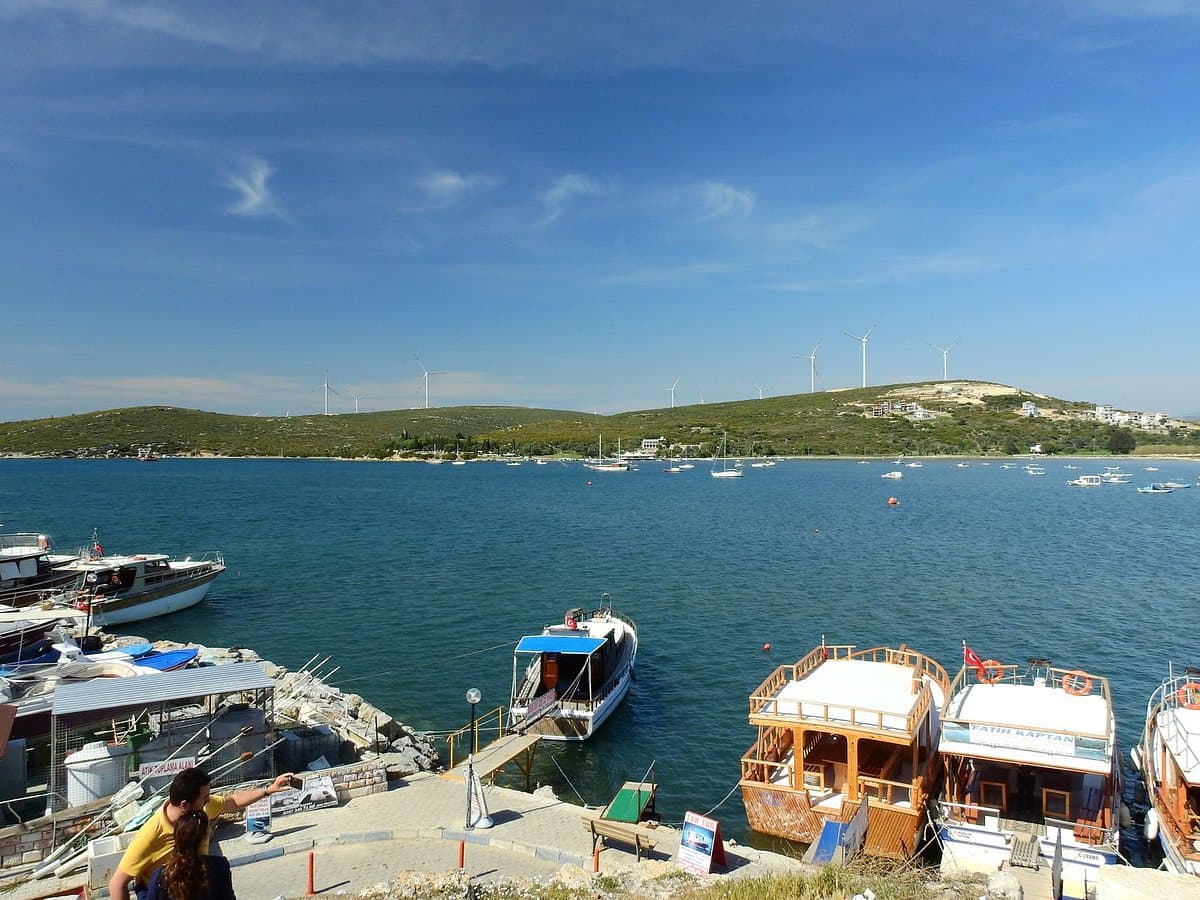
Teos Ancient City is located near Sığacık, a popular village in the Seferihisar district of Izmir Province. From Izmir, it's about a 45 km drive, which can take around an hour by public bus. If driving, follow signs from Sığacık; some visitors mention that GPS might lead to less ideal routes, so sticking to main roads and local signage is best. Parking is generally available. For those staying in Sığacık, it's often within walking distance or a short drive. Some resorts, like Club Resort Atlantis, are very close, allowing for a walk of less than 15 minutes.
A recurring complaint is the lack of clear signage and detailed explanations in English, which can make it challenging to understand the significance of certain ruins without prior research. To mitigate this, consider downloading an archaeological guide or researching the site beforehand. Some visitors also mention issues with neglected areas, overgrown paths, and even animal waste, suggesting that maintenance could be improved. While security is generally not a major concern, some reviewers have noted instances of unauthorized entry or stone removal, highlighting the ongoing challenges of preserving such a vast site.