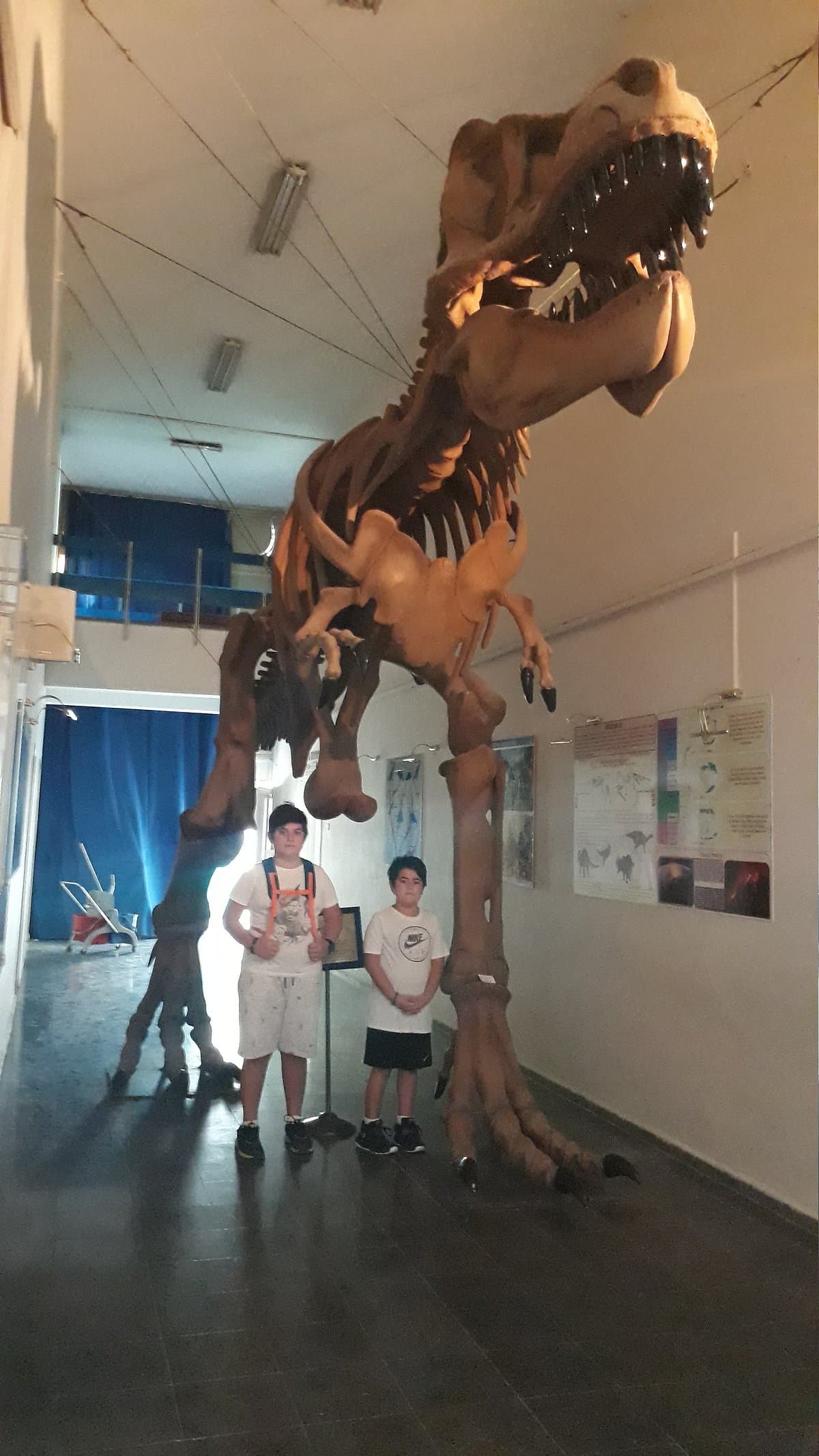
The Natural History Museum in Izmir, often referred to as the Ege University Natural History Museum, serves as a significant scientific and educational institution. It houses extensive collections primarily focused on paleontology, mineralogy, and zoology, showcasing the natural heritage of Turkey and beyond. The museum plays a crucial role in research and public education, providing insights into the Earth's history and biodiversity.
Visitors consistently praise the museum for its well-maintained and informative exhibits, particularly highlighting the impressive fossil collections and diverse mineral displays. Many reviewers, especially those with children, appreciate the quiet and uncrowded environment, which allows for a more focused and engaging learning experience. The museum is often described as a hidden gem, offering a peaceful escape from the bustling city and a chance to delve into scientific exploration.
To make the most of your visit, allocate approximately 1 to 2 hours. The museum is generally quiet, so there's no specific 'best time' to avoid crowds. It's advisable to bring water, especially during warmer months, as the campus can be extensive. While there are no specific items to skip, visitors recommend taking your time to read the descriptions, as they add significant context to the exhibits. The museum is particularly suitable for those with an interest in geology, biology, or for families looking for an educational activity.
The museum is located within the Ege University campus in Bornova, Izmir. Public transportation is readily available; visitors can take the Izmir Metro to the Bornova station, which is then a short walk or a quick bus ride to the university entrance. From there, follow signs within the campus to the Natural History Museum. Driving to the campus is also an option, though parking availability within the university grounds might vary. Taxis are another convenient way to reach the university.
Common complaints are few, but some visitors note that the museum's signage and information might be predominantly in Turkish, which could be a barrier for international visitors without a guide or translation app. Additionally, some find the campus itself quite large and navigating to the museum within it can be a bit confusing. To mitigate this, consider using a map application to pinpoint the exact building on campus before your arrival and be prepared to use translation tools if needed.