The Ankara University Mustafa Koc Maritime Archaeology Museum, located in Urla, serves as a dedicated center for the study and exhibition of ancient maritime history, particularly focusing on the Aegean Sea. It houses a collection of artifacts that shed light on ancient shipbuilding, trade routes, and seafaring cultures. The museum is significant for its academic ties to Ankara University, contributing to research and preservation efforts in marine archaeology.
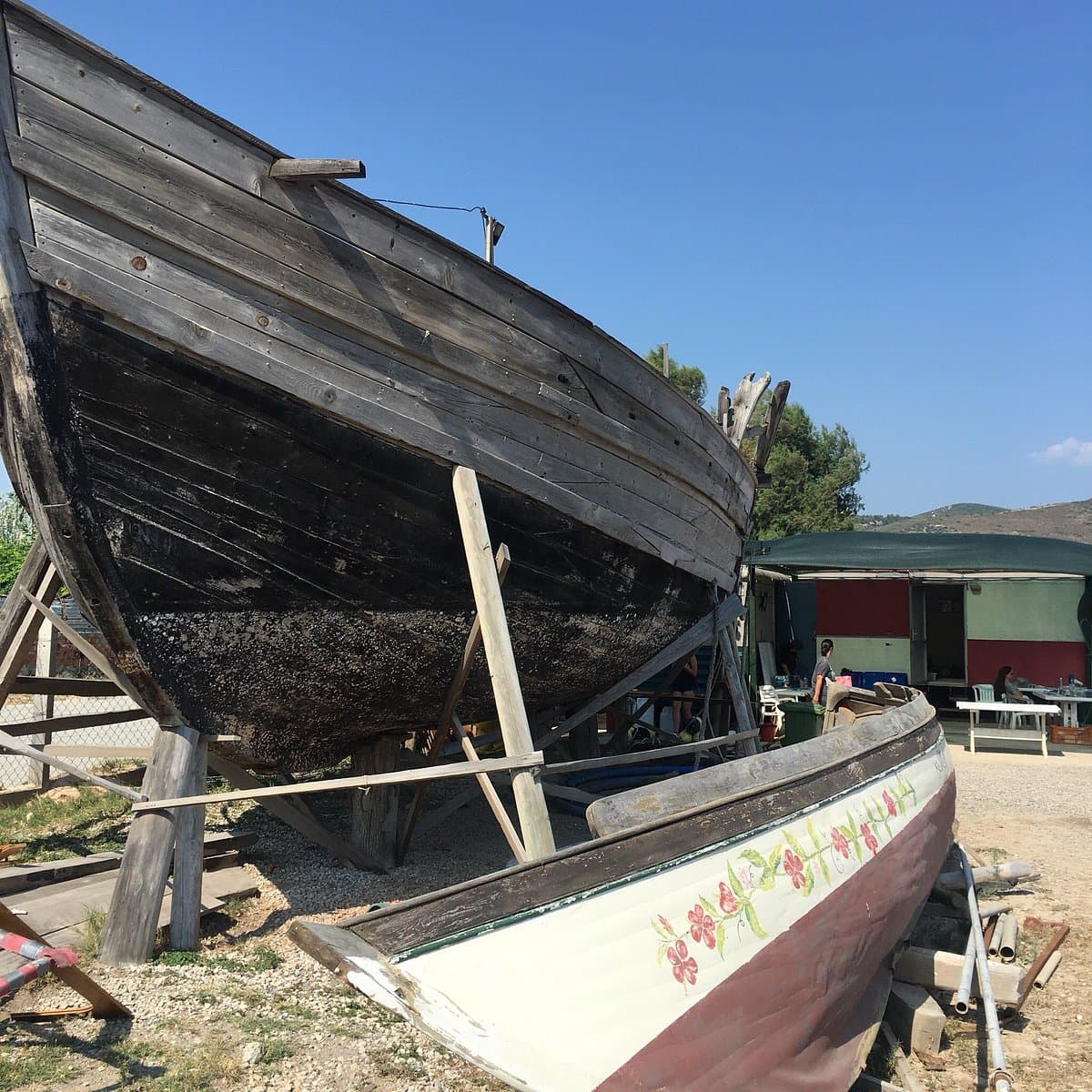
Visitors consistently praise the museum for its fascinating pieces, despite its small size. Reviewers highlight the various examples of ancient Aegean ships on display, which offer a detailed look at historical vessel designs. A particular point of interest is the ongoing construction of a new Phoenician galley, which many find beautiful and an engaging demonstration of ancient craftsmanship. This active project provides a dynamic element to the museum experience, allowing visitors to see history being recreated.
Given its specialized nature and compact size, visitors recommend allocating approximately 1 to 1.5 hours for a thorough visit. The museum is best enjoyed by those with a genuine interest in archaeology, maritime history, or ancient civilizations. It's advisable to visit during cooler parts of the day, especially in warmer months, as the museum is indoors but the surrounding area can be hot. There are no specific items to bring beyond personal essentials, but a camera might be useful for capturing the exhibits.
The museum is situated on Yali Caddesi in Urla. While specific public transport details are not widely available in reviews, Urla is accessible by local buses from Izmir. For those driving, parking options in the vicinity of Yali Caddesi should be explored. A taxi or ride-sharing service would also be a convenient option for reaching the museum within Urla.
Common complaints are not explicitly detailed in the limited reviews, but the small size of the museum might be a point of consideration for some visitors expecting a larger institution. To mitigate this, manage expectations by understanding that this is a specialized, academic museum rather than a sprawling general history museum. Focus on the quality and uniqueness of the exhibits, such as the Phoenician galley project, to fully appreciate the visit.